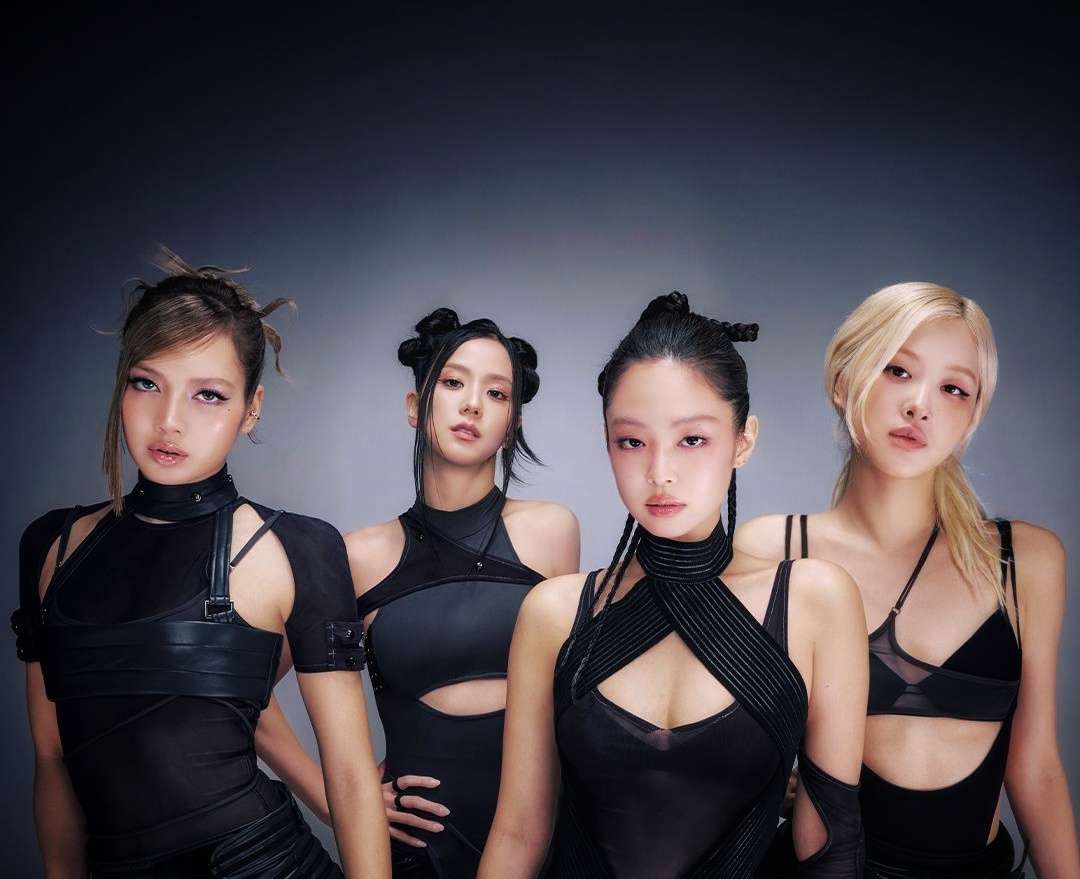
On February 27, 2026, BLACKPINK released their fourth EP Deadline, their first group project in nearly four years. It sold 1.44 million copies in four hours. It broke Hanteo Chart records. “Jump” debuted at number one on the Billboard Global 200 and peaked at number 28 on the Billboard Hot 100. So far, Deadline is shaping to be another success for one of K-pop’s biggest girl groups.
And yet, something feels hollow.
If you’re a casual BLACKPINK fan, you might be wondering what the problem is. The album sales are good, the singles are doing well. Everything’s fine right? But numbers don’t tell the whole story. For longtime fans and the K-pop community at large, Deadline is practically the same album with the same concept and message BLACKPINK has been releasing for nearly a decade. It just has a different name.
And there’s no one other than the group’s label YG Entertainment to blame.
A Formula That Worked Once
When BLACKPINK debuted in 2016, their concept was genuinely exciting. Bold, luxurious, a little bit dangerous. Their “rich girl crush” image had outfits that screamed high-fashion. Their music videos had elaborate, practical sets that looked like they were CGI. Their songs were dripping with confidence.
It didn’t matter if they had just debuted, BLACKPINK was the IT girls of K-pop and you would acknowledge that. It felt fresh at a time when bubblegum pop dominated the genre. The formula worked, and YG noticed.
The problem is that YG never expanded their concept or gave the group any real depth. They just kept giving fans BOOMBAYAH, How You Like That or DDU-DU DDU-DU 2.0.
Almost a decade later, BLACKPINK’s concept is identical to what it was when they debuted. Their outfits and hairstyles might differ between eras. But the maximalist, EDM-inspired production, the “look at me, I’m the biggest, better, baddest girl there is, take notice” lyrics and almost pretentiously rich aesthetic hasn’t changed much.
The Self-Production Myth
To understand the frustration, you need to know how YG operates. YG Entertainment is the Seoul-based label that created and manages BLACKPINK. YG Entertainment has cultivated a reputation as a label that nurtures self-produced artists. And to be fair, that reputation is real…for certain artists. G-Dragon’s, Tablo, BI, Kang Seung-yoon. These artists are famous for being involved in the creative process for their releases. They’re also men.
Despite this reputation, YG has maintained tight control over its artists’ concepts, music, and image. While their male artists have more creative freedom, YG’s female acts don’t get the same luxury.
For BLACKPINK, “artist freedom” was never really a part of their brand. While they were credited as “creative directors” on their second full length album Born Pink in 2022, that input was related mainly to the album’s visual identity. The music itself was handled almost entirely by YG-adjacent producers like Teddy, who has produced nearly every major BLACKPINK release since their debut.
One person’s creative vision has been the sole filter for an entire group’s output for nearly a decade. When that vision doesn’t evolve, the group can’t evolve either.
2NE1 faced the same problem before them. The second-gen girl group was celebrated for their boldness, but that image was constructed by Yang Hyun-suk and Teddy, not the members themselves. Female idols are often expected to adhere to predefined concepts. Agencies are usually hesitant to deviate from what’s working because female groups tend to rely more on support from the general public. Male artists have more room to experiment because they have dedicated fanbases that’ll stick with them through thick and thin. Female artists have a brand to maintain.
When Being “Exclusive” Lacks Substance
Maybe BLACKPINK’s luxury aesthetic isn’t a sign of stagnation. It could be an example of being consistent. Yet there is a difference between consistency and repetition, and Deadline lands in the latter category.
When fans discovered that the music video for “GO” consisted of mostly AI-generated visuals (over eleven names were listed under “AI VFX” and “AI Production” in the credits), fans were furious. There was no story or choreography. It felt like a betrayal of something core to who BLACKPINK had always been. The “Jump” video had similar complaints, with many fans calling it one of the worst the group has ever released.
Even the pre-release teasers drew criticism for looking “boring,” “repetitive,” and “insincere.” One comment said it looked like they were “just releasing it because they have to put out an album soon.”
Then there’s the tracklist. After delaying the EP’s from its initial summer 2025 release to November, then December, then finally late February 2026…fans only received five songs. The album is less than fifteen minutes long. The lyrics were widely described as “dry and generic.” One track, “Me and My,” sparked controversy over a lyric containing a derogatory term toward women, with no female songwriters listed among its credits. And two tracks feature production from Dr. Luke, whose involvement drew significant backlash due to accusations of sexually abusing singer-songwriter Kesha years ago.
Nothing about the Deadline era feels like YG spent four years crafting something meaningful. Instead, it looks like a blatant cash grab to keep the label afloat.
The Competition Has Outpaced BLACKPINK
The ironic thing is that other girl groups have been inspired by BLACKPINK’s concept, yet they managed to breathe fresh life to it in a way YG never could.
IVE has a luxury aesthetic too, but their agency has experimented with how it’s presented with each comeback. They were magic girls for the Accendio era, office workers for the Attitude era and exploring dreams for the XOXZ era. NMIXX explored luxury through the lens of heartbreak and toxic relationships on Spinnin’ On It. LE SSERAFIM pairs fearlessness with vulnerability. TWICE has evolved from their cute, bubblegum concept to a more mature yet playful girl crush image.
BLACKPINK doesn’t have that unique concept that makes them stand out anymore. While their competition was evolving, YG was doubling down.
The Solo Eras Showed Us What BLACKPINK Are Capable Of
Now, the members of BLACKPINK have shifted their onto their solo careers.
Rosé found runaway success with “APT.” featuring Bruno Mars. Her solo album Rosie leans more into an introspective, indie-pop vibe that’s a complete 180 from what BLACKPINK puts out as a group. Jisoo continued her acting career while developing a delicate, romantic concept for her album Amortage. Lisa performed at Coachella in 2024, pursued acting and is positioning herself to be the next multi-hyphenate threat. Jennie launched her own label, Odd Atelier, and cultivated an identity as an effortless high-fashion glam girl.
Each member has revealed a distinct personality outside of BLACKPINK. They have layers that are absent whenever they’re together as a group, which has flattened all four of them into the same interchangeable “cool girl” archetype.
The talent is undeniable. All four members possess a rare star quality that you can’t achieve through training alone. Their Deadline World Tour, an all-stadium run made BLACKPINK the first K-pop girl group to headline Wembley Stadium in London. Their draw is as massive as ever and their fans are still showing up despite their grievances. The records still fall.
The creative stagnation found in BLACKPINK’s work is not a reflection of who these four women are. It’s the product of a label that is too lazy and risk-averse to try something new.