When a cartoon disappears before its story ends, we assume the ratings dipped. We blame fickle networks, lazy execs, or the timeless enemy: “budget cuts.” But often, the guillotine isn’t held by TV executives at all. It’s held by toy manufacturers.
Behind nearly every children’s cartoon lies a toy company dying to use that IP to fill their wallets. It doesn’t matter how popular the show is or how passionate its fans are. The only thing that matters is how many toys it sells on aisle seven.
The Plastic Hand Guides the Plot
Ever wonder why your favorite cartoon ended right when it was getting good? Or why season two suddenly looked like a reboot?
Back in the early 1980s, Reagan-era deregulation turned Saturday morning into a playground for corporations. The FCC, once wary of “program-length commercials,” stepped back. Suddenly, toy giants like Hasbro and Mattel could fund shows that doubled as elaborate sales pitches. He-Man, Transformers, G.I. Joe, My Little Pony weren’t just cartoons. They were televised toy catalogs.
Episodes were written around the latest toy that would be available to purchase by the time it hit the network. Characters were redesigned to “freshen assortments.” New vehicles appear, not for story reasons, but because toy shelves need variety. In Transformers, this cycle became a ritual: death, rebirth, new gear, new mold.
Ratings Don’t Matter If Toys Don’t Sell
The cruel irony is that many canceled shows actually did well in viewership. Young Justice pulled strong numbers and an older, passionate fanbase, but not the “right” one. Despite its emotional arcs and complex writing, its viewers skewed female and older teens, the group least likely to buy expensive male-targeted action figures.
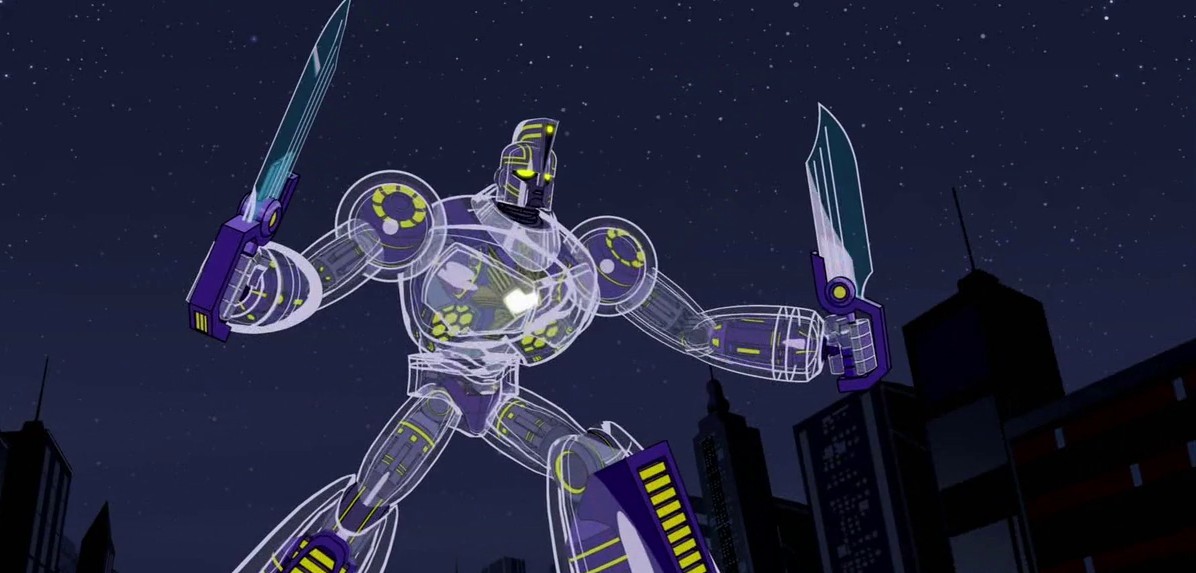
When Mattel ended its toy line, the funding it provided ended too. Sym-Bionic Titan suffered the same fate. Genndy Tartakovsky’s stunning action series lacked a toy partner, so Cartoon Network pulled the plug despite critical acclaim.
Even Teen Titans (2003) got caught in toy politics, retired to make way for a new Mattel licensing deal. Imagine shaping your childhood memories around battles between toy contracts. You did. We all did.
The Economics of Heartbreak
To toy companies, cartoons are “support media.” That’s a chilling phrase if you love storytelling. The plot exists to push product cycles, not the other way around. If toy sales dip during the holiday season, the next batch of episodes could be doomed, no matter how many cliffhangers hang unresolved.
Retailers like Walmart and Target are another invisible player. Shelf space is power. If a toy line loses its placement, no amount of fan passion can save the animation tied to it. It’s like a body losing its heart. Once the cash flow stops pumping, lights dim.
When Streaming Changed the Rules, Sort Of
Then came streaming. Netflix, Disney+, and others rewrote the math. Suddenly, shows could succeed without a toy deal. Watch hours and subscriber retention replaced toy receipts. Series like She-Ra and the Princesses of Power thrived because they built fandoms that cared about the story.
But the dream of artistic freedom didn’t last long. Algorithms became the new toy lords, data dashboards replacing dollar aisles. Now, instead of failing because kids didn’t buy figures, shows vanish because not enough viewers binged watched them. The same heartache persists: different ruler, same kingdom.
For franchises born from toy lines, like Barbie or Transformers, the old rules are still in place. Toys and storytelling still dance an awkward tango. A Netflix reboot can spike toy sales but a poor retail run can end a revival before anyone can blink.
What We Lost Along the Way
The saddest part isn’t just the cancellations. It’s the stories that never had a chance to finish. Across decades of children’s animation, entire creative teams gave their best work to projects that existed only if shareholders were happy.
There’s something almost tragic in that, a collision of art and commerce so intimate it’s impossible to untangle. These shows raised latchkey kids, inspired future illustrators and launched countless animation careers. Yet for the companies funding them, they were disposable.
And yet, fans still mourn them. In forums, YouTube essays, Tumblr archives, people still talk about Sym-Bionic Titan’s ending or Young Justice’s rebirth. Why? Because even when a show is born from greed, something beautiful slipped through. Talent always finds cracks in the plastic.
We live in an era obsessed with reboots and nostalgia, but maybe that’s because we never had closure. The realization that our childhood could be cut down by a quarterly report stings. So many of our childhood worlds ended before we were ready. It wasn’t bad storytelling or poor ratings that did these shows in. It was business.