Video game adaptations usually fall into two categories. They either retell a certain story arc beat by beat. Or they borrow the name and characters while ignoring the source material.
Amazon’s Fallout series doesn’t reboot or reimagine the games. The show is officially canon as it’s set within the Fallout universe. Taking place in the year 2296, the show picks up long after the events of Fallout 4 and New Vegas. The Great War, the rise of the New California Republic, the Brotherhood of Steel’s military crusade, etc. Everything that happened in those games is treated as history that influences the show’s world.
New story, same wasteland
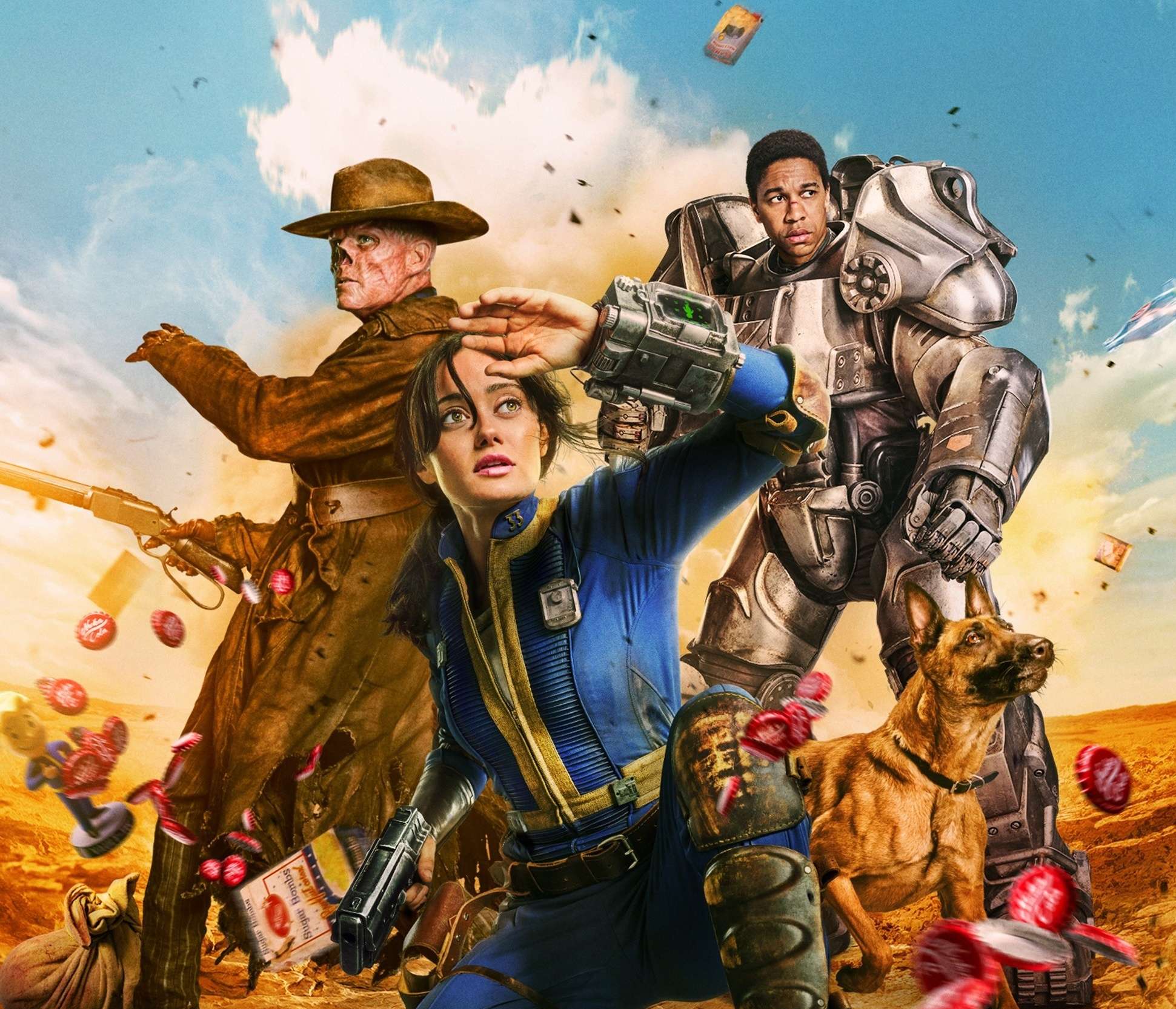
The show doesn’t follow any of the characters featured in the games. Instead, it introduces Lucy, a vault dweller searching for her father Maximus, an ambitious Brotherhood of Steel squire. And The Ghoul, a centuries-old bounty hunter haunted by his pre-war past.
If that setup sounds familiar, that’s intentional. Lucy’s quest to find her father mirrors Fallout 3’s main storyline. Yet the way she experiences the wasteland (through uneasy alliances and adopting morally gray ethics) feels closer to New Vegas. The series borrows patterns or references from multiple entries without copying any one of them.
It keeps the same mix of absurdity, horror, and comedy that defines the Fallout games. The difference is that instead of letting you decide how things play out, the show has a fixed story it wants you to follow.
A living, breathing world
What’s impressive is how immersive the show feels. Pip-Boys, Stimpaks, power armor, chems, and even Nuka-Cola are presented like they are in the games. They’re even wrapped up complete with that over-the-top, 1950s optimism hiding behind all that radiation. You can actually hear the Pip-Boy click whenever Lucy is exposed to radiation.
Even the creature design feels authentic, though scaled back. The show has to choose its monsters carefully, Yao Guai, ghouls, and a handful of familiar robots. That’s because CGI technology will only get you so far until you creep into uncanny valley territory. Yet the people who worked on the special effects, practical effects, props and makeup did an excellent job bringing the Fallout universe to life.
Changes to the lore
That said, the show does take some creative liberties with the lore. It clarifies that some ghouls like The Ghoul can use drugs or medications to avoid going feral. It introduces multiple neighboring Vaults like 31, 32, and 33.
Notably, it strongly implies that Vault-Tec started the Great War. That’s a huge revelation. Nothing has been officially confirmed yet. If true, then the company didn’t just prepare for the apocalypse. It caused it.
The series also shows the fall of Shady Sands and the New California Republic. Longtime players were sad to see all the work that was put into building thriving settlements on the surface in ruins. The show does imply that some remnants of New Vegas and the NCR live on.
The TV show is more than fan service
What makes the Fallout TV show work is that it understands what the series has always been about. It depicts the harsh reality of surviving in the radioactive wasteland humanity created. The TV adaptation isn’t trying to replace the games. It extends their story. Fallout has always been about cause and consequence. Amazon’s version proves that the wasteland has plenty of stories left to tell.