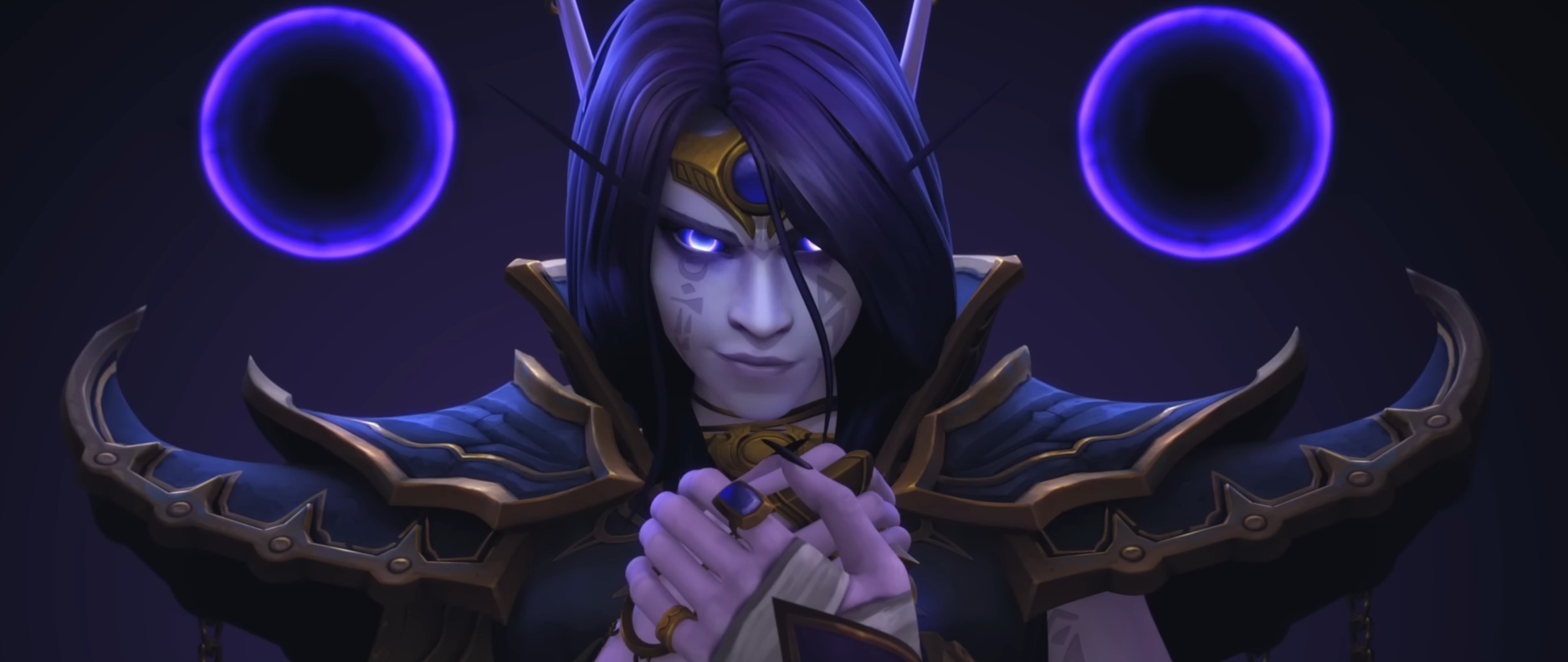
I used to love watching World of Warcraft launch streams. There was something almost electric about it. Thousands of people exploring the same new zones at the same time, a shared sense of discovery. You didn’t have to be playing to feel it. You could just watch, and it pulled you in.
So when World of Warcraft: Midnight dropped its early access, I tuned in. Out of nostalgia, mostly. And what I found left me genuinely unsettled. Not angry, just… deflated.
The game was there. Somewhere in the background. But the main event? That was something else entirely.
What Launch Day Looked Like
Subathons. Subscription drives. Streamers pleading, sometimes cheerfully, sometimes desperately, for viewers to gift subs. Cash payout milestones lighting up the screen. Merchandise pushes that had nothing to do with Azeroth. Viewers were more interested in getting the streamer to eat something weird or do something “funny” than in seeing what the new expansion looked like.
The game was wallpaper.
I wasn’t enticed to play. Not even a little. I came in curious. I left indifferent. If that’s the experience Blizzard is banking on to convert viewers into players, something has gone seriously wrong.
A Bold Claim Worth Making
Monetized streaming was supposed to be free marketing. On some launch days, it has quietly flipped into something closer to brand damage.
That’s not a small thing. Blizzard spends years building hype for an expansion. The whole point of a launch is emotional momentum. Get people excited, get them playing, get them talking. A stream that buries the new content under donation alerts and sub goal countdowns doesn’t just fail to sell the game. It actively dilutes the experience for everyone watching. The viewer who came in on the fence about buying? They leave having seen very little of what makes the expansion worth playing.
That’s a missed conversion. At scale, across dozens of major streams, that’s a real problem.
The Legal Question Nobody Is Asking
Here’s where it gets genuinely interesting and where I think gaming companies are missing the long-term impact.
The informal permission that publishers extend to streamers was built on a simple logic: streams are free advertising. You play our game, people watch, some of them buy. Everyone wins. That logic holds when the stream is actually about the game.
When a stream is primarily a fundraiser… when the game’s IP is drawing the audience, and that audience is then being monetized for unrelated merchandise, third-party sponsorships, and sub drives… the logic collapses. The game’s brand is being used as a commercial vehicle for products and revenue streams the publisher never sanctioned and receives nothing from. That’s not a gray area dressed up in legalese. It’s a real question about the scope of permission.
Publishers could push back. They retain the legal right to. Most choose not to in favor of preserving creator community goodwill. “Choosing not to enforce” isn’t the same as “this is fine.” It only means nobody has decided it’s worth the fight… yet.
And Then There Are the Drop Campaigns
Blizzard, and other publishers, have developed drop campaigns specifically designed to boost Twitch visibility. The mechanic is simple: viewers who gift a certain number of subs to a streamer receive an in-game cosmetic item as a reward.
On the surface, clever. Keep the game trending. Reward engagement.
In practice? They are directly subsidizing the sub-begging behavior that makes these streams hard to watch. They are injecting financial incentive into the exact dynamic that pushes the game to the margins. Gaming companies are, in effect, paying streamers to prioritize subscriptions over the game itself. They’ve helped make launch day streams feel like telethons.
They don’t have to offer paid drops at all. Viewers would watch launch content regardless. Streamers would still stream the game. It’s their job. The drops are a generous gesture. Unfortunately, for some streamers, they’ve become a begging trigger rather than a community celebration.
A Fair Counterpoint And Why It Doesn’t Fully Hold
Here’s the honest version of the opposing argument: streamers built their audiences themselves. Their subscribers aren’t Blizzard’s audience. They’re the streamer’s audience, cultivated over years of content, personality, and consistency. If those viewers show up on launch day and spend money, that’s a testament to the streamer’s work, not the game’s. The streamer is entitled to monetize their own community however they see fit.
That’s a real argument. And it’s partially true.
But it breaks down at one crucial point: why is launch day the highest-revenue day? Because Blizzard created an event. The expansion, the hype cycle, the cultural moment… that’s not the streamer’s doing. The audience spike on launch day is borrowed energy from Blizzard’s marketing machine. Using that spike to push merchandise that has nothing to do with the game, or to run a subathon where the game is not the focal point is borrowing something you didn’t build and returning nothing for it.
What Gaming Companies Should Actually Do
This isn’t a call for aggressive legal action or a crackdown on streaming culture. Streaming is genuinely valuable, and most of it does serve the game. But a few practical shifts could change the dynamic significantly.
- Official creator partner programs could set clearer expectations around what “featuring our game” actually means during a major release window.
- Put the consumer first. Remove gifting subs to receive a digital item in game. Put the item in the game with a cool game mechanic to encourage players to play the game.
- Gently remind streamers how good they have it being able to earn a sizable income off of someone else’s IP. Without having to pay any licensing fees for streaming the game.
None of this is radical. It’s just treating launch day like the strategic asset it actually is.
Why This Matters Beyond One Game
At its heart, this is a story about attention and who controls it.
We live in an era where attention is the scarcest resource, and everyone is fighting for it. Because it is based on time and time is limited. Gaming companies, streamers, sponsors, platform algorithms. When they all converge on launch day, something has to give. Right now, it’s usually the game.
But there’s a deeper truth underneath all of this: people watch launch day streams because they want to feel something. The wonder of a new world. The excitement of discovery. That’s what pulls someone from the couch to the checkout page.
When the stream becomes a fundraiser with a game running in the background, that feeling evaporates. And once it’s gone, it’s very hard to get back.
Continuing to subsidize a dynamic that quietly undercuts their own product isn’t generosity. They’re leaving money, and magic, on the table.