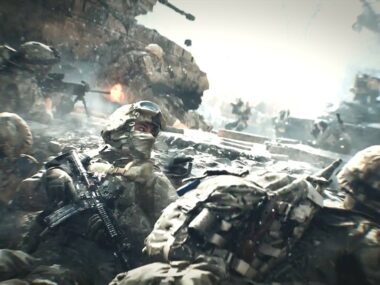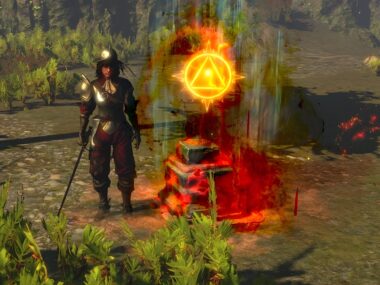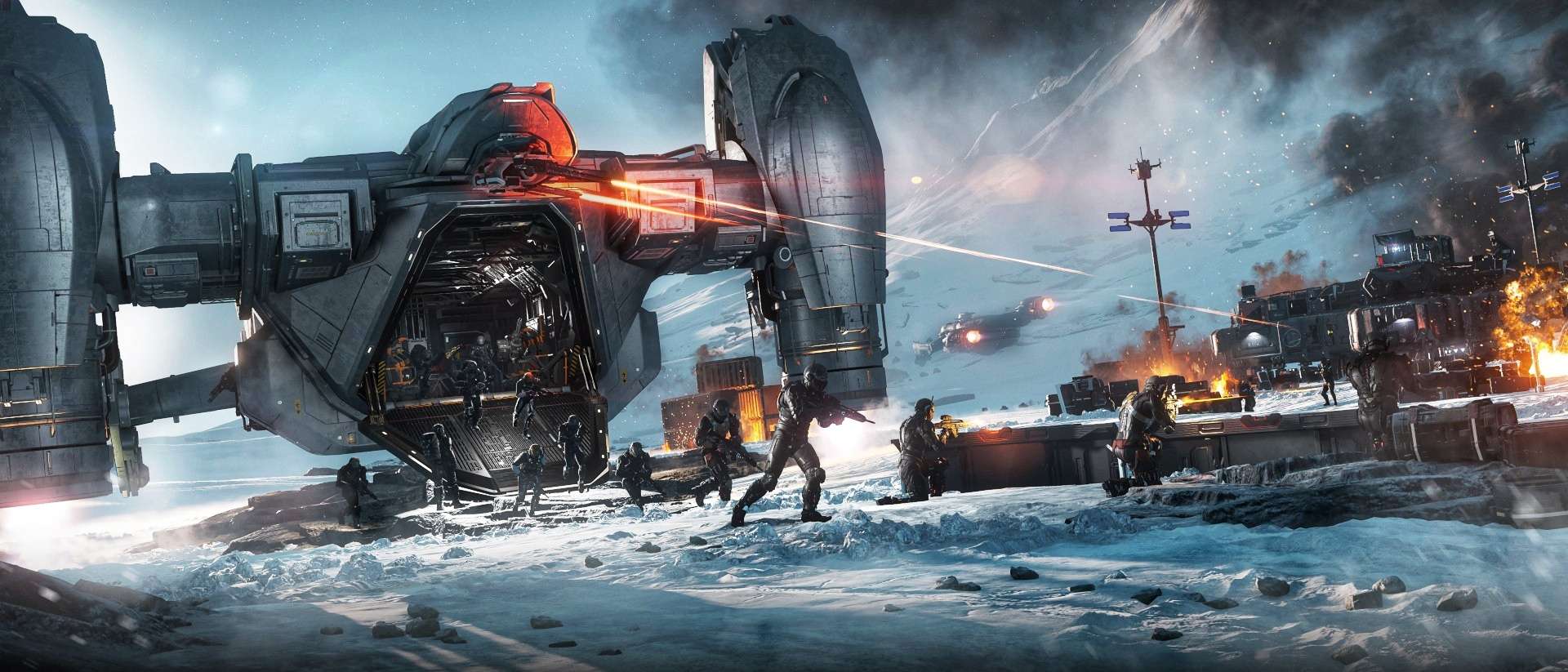
Chris Roberts, the creator of space simulator Star Citizen, has a vision of a living universe. A shared space where traders haul cargo, explorers map uncharted systems, and combat pilots fight for control of resources. On paper, it sounds fascinating. The problem is this vision forces two groups of players to co-exist in the same world, a concept game developers have struggled with for decades.
I want to make it clear that I’m not some massive Star Citizen fan talking out of their ass nor am I playing the game right now. I’m in the “wait and see” category. But I’ve been gaming long enough to understand that PvP and PvE players have two completely different mindsets. PvE players usually do not want to engage in PvP. If they do, they want it to be consensual. If Chris’s plan is not balanced properly, it will only hurt Star Citizen in the long run. Historically, if PvP is too aggressive in a game, the PvE players go elsewhere.
What’s the Difference Between PvP and PvE Players?
In order to wrap your head around why this is a problem, it helps to understand what the difference between the two player types are.
PvP stands for Player versus Player. These players want to fight against other humans. The unpredictability of a human opponent is the whole point of playing. While not all PvP players are toxic, a lot of them have no problem harassing other players because they’re looking for a fight, farming players or they think they can get away with it.
PvE stands for Player versus Environment. These players want to engage with the game’s content by going on missions, trading, mining for resources, and exploring the world. They may play with friends to accomplish an in-game goal. They’re competing against the game’s systems and AI, not against other people.
Both are valid ways to play and many players do both, depending on their mood. Someone might enjoy structured PvP where they’re in a designated arena or battleground with anyone who wants to fight. Others prefer to run cargo without being ambushed on a Tuesday evening. It all boils down to preference.
In Star Citizen the game is designed to be a single shared (persistent) universe with no clean separation between these two experiences. Everyone occupies the same space, which is where things get complicated.
Why Can’t PvP and PvE Players Exist in the Same Game?
PvE players try to go about their business whether they’re hauling cargo, mining asteroids, running missions. These activities take time. A single cargo run in Star Citizen can take 45 minutes to over an hour.
PvP players notice these players will travel on predictable routes, carry valuable goods, and rarely fight back. They become the perfect targets for farming.
From the PvP player’s perspective, this is just playing the game. The systems allow it. Other players are, to them, the most interesting content available.
From the PvE player’s perspective, their entire session was ruined by something they never agreed to. One group’s fun is another group’s lost evening. Keep in mind that the PvE player didn’t queue up for a fight. They logged in to make progress or explore.
When other players start seeking them out specifically because they’re an easy target, the natural response isn’t to adapt and become a better fighter. It’s to stop logging in. This type of response is common among open-world games with mixed PvP and PvE populations.
A good example of this is World of Warcraft. The game had to adapt to player preferences. Back in the day, there used to be PvP servers. They died. They’re gone. Now, PvP and PvE players are on the same server. To engage in PvP, players opt-in to War Mode. This way it is consensual. Of course, there are battlegrounds and arenas for PvP as well.
Chris Roberts’ Plan Would Turn Star Citizen Into a Ghost Town
In a game like Star Citizen, PvE players are the economy. They move goods between stations, mine the ore that feeds manufacturing. They create the trade activity that makes the universe feel alive. Without them, there’s fewer markets, and less reasons for PvP players to log on in the first place.
The plan is to have a sliding scale for danger based on location. Some areas will be safer than others. However, allegedly, there isn’t a “no” option for PvP, which is what PvE players prefer. No means no. The plan is “maybe”.
Unprotected PvE players aren’t just collateral damage in a PvP ecosystem. They are essential to open-world games. Remove them, and the ecosystem weakens.
The belief that PvE and PvP players will automatically learn to “get along” in the same open world misinterprets what each group wants. Their goals don’t align. They’re incompatible because there are no clear boundaries between their playstyles.
Purpose Changes Everything
There’s a version of this that could work. If PvP had a clear role like securing resources, defending a trade route or competing for control of a system. That way even PvE players could get behind it.
But that’s not how open-world PvP usually works. It often comes down to an experienced player ambushing one that’s unprepared at a predictable location. There’s no shared objective or strategic value. It’s just a one-sided encounter.
For PvE players, making progress is the reward. The fun is in completing a mission or finishing a mining run. Getting ambushed by some random PvP player isn’t exciting for them. And if that happens often enough, those players stop logging in the game.
Star Citizen has raised almost $1 billion from backers, but spending money doesn’t guarantee long-term engagement. Spending $1500 on ships in 2016 doesn’t mean someone will keep playing a decade later. Especially if the game no longer supports their preferred way to play.
A Question of Timing
Is Chris Roberts’ vision for Star Citizen still viable in 2026, let alone in whatever year the game fully releases?
The gaming industry has changed a lot since the project started. Players have more options and shorter attention spans. Convincing PvE players to accept constant harassment from PvP players is a tougher sell now than it was a decade ago. MMOs are dying out. If people can’t engage with the game without being griefed, they’ll just move on.
There’s also an unresolved tech issue: what anti-cheat system will Star Citizen use? This matters because support for Linux is a stretch goal that backers paid for years ago. Many common anti-cheat systems don’t work well with Linux. Cheating in a mixed PvP/PvE world skews the competition while hurting PvE players.
Star Citizen still has time to get this right. The game could add things like reputation, flags that mark a player as PvP, and include penalties that punish those who attack non-consenting PvE players. In doing so, the world still feels dangerous, but not discouraging.
Chris Roberts’ vision of a living universe is truly ambitious. But a living universe needs the players who fill it to stay. The very players Star Citizen needs to thrive: the miners, traders, mission runners, explorers, are more likely to leave if the game keeps treating them as targets for other players’ entertainment.
Again, I’m still waiting to see how this plays out. It is unlikely I will be doing anything to draw the attention of PvPers. I understand wanting the world to feel dangerous. Personally, I wish NPCs were smarter so the world would feel more dangerous that way. Why? Because we see in PvP games developers are unable to stop them from cheating. Which means stronger anti-cheat tools, which don’t work well with Linux – a promised stretch goal. An operating system players should be testing alongside Windows.
I decided to write about this because I read a post on the forums. I was going to link it but I just noticed it was removed. Here is another discussion. I hope this one doesn’t disappear.