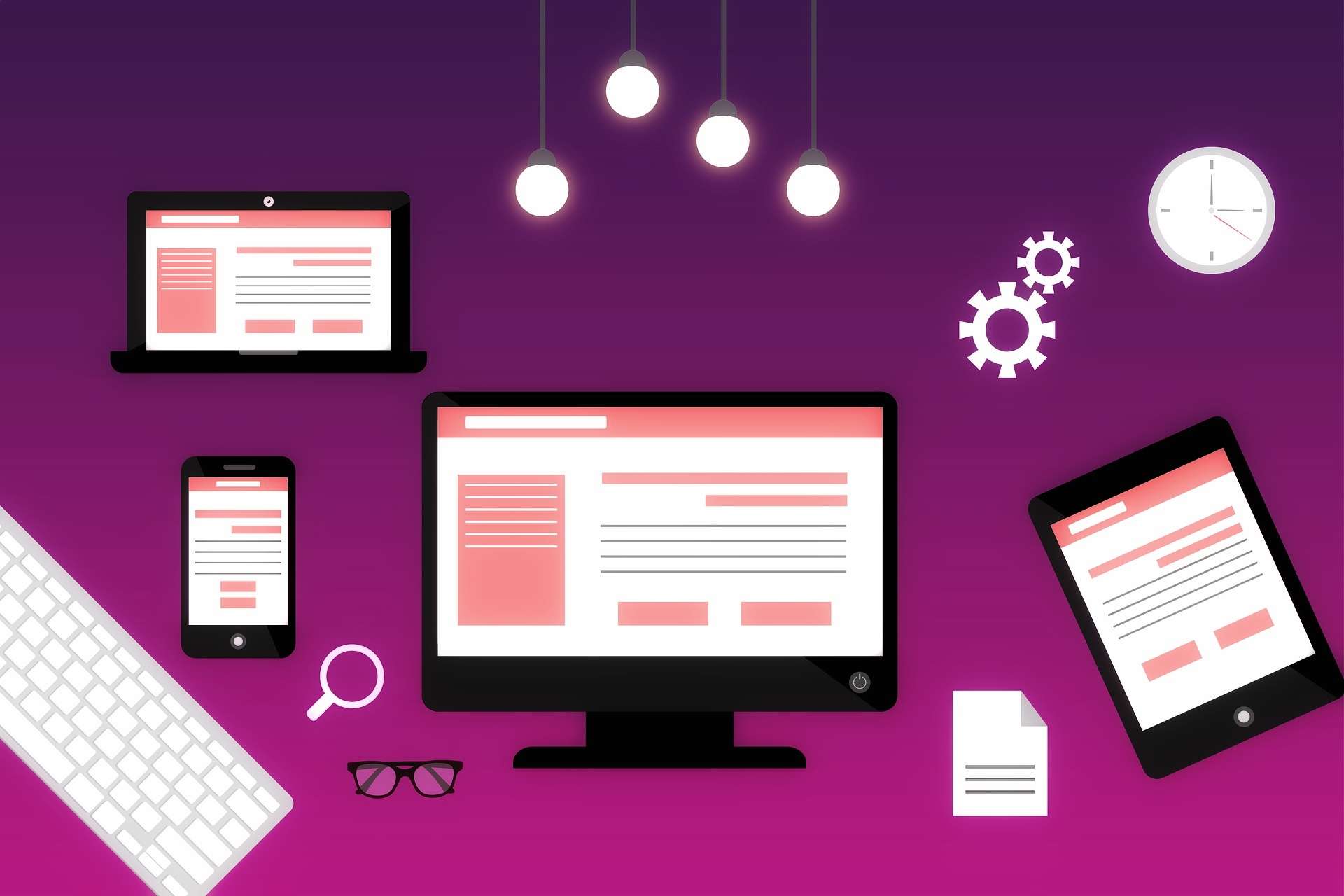
Yesterday, I went theme shopping. I’ve been unhappy with my current WordPress theme, even though I’ve decided to keep it for now. Instead of fixing those issues myself, I thought it’d be easier to find a new design that did things better. Turns out, I was wrong.
Where Did All the Variety Go?
Scrolling through ThemeForest, I realized how little variety there is. Sure, the designs look different, but most share the same layout formula: full-width hero banner, oversized typography, subtle animations, and a grid of heavily edited photos. Ten years ago, we had The Slider. Now it’s the Hero Section with a Call-to-Action Button.
It’s not that these designs are bad, they’re just predictable. Most rely on stock visuals or dynamic effects to appear “fresh,” but they make the images, not the words, the focal point.
That’s great for photographers, lifestyle brands, or e-commerce stores where visuals are the story. That’s not good for writers, because these designs turn your site into a photo frame with text jammed in the corner. Your words should take center stage, not compete with someone else’s stock photo.
The Copycat Loop
Trends have a cyclical life span. One designer releases something cool and within weeks, it’s everywhere. Even AI template generators echo the same patterns because they’re trained on that popular style. Before you know it, originality takes a back seat to what’s “performing well.”
I rely on pre-made templates and I’m fine with that. I’ll admit it’s getting harder to find one that actually treats writing as the main attraction. Even the so-called “minimalist” options try to slip in flashy animations or parallax effects.
What happened to good, readable, beautifully composed typography?
Good Design Isn’t Just What’s Popular
It’s not that designers are lazy. Many of them feel pressured to keep up with what sells. Yet the repetition leaves users, especially writers or bloggers, with few options that make our content the priority.
Aesthetics don’t guarantee a good business strategy. Great design balances aesthetics, usability, and originality. The irony is that there’s a huge opportunity in breaking away from what’s expected. Many bloggers, freelance writers, journalists, indie creators are begging for them. Yet repetition is safer. It sells today, even if it stifles tomorrow’s innovation.
This short-term thinking keeps the market flat. We get bursts of things that look new, followed by long stretches of sameness. Then someone finally builds something bold and everyone immediately copies that. Rinse, repeat.
Maybe it’s time we stop designing to impress and start designing to express.
📌 Changelog
- December 12, 2025: Changed the formatting and re-wrote some sections to improve the flow.
- December 11, 2009: Date article was originally published.