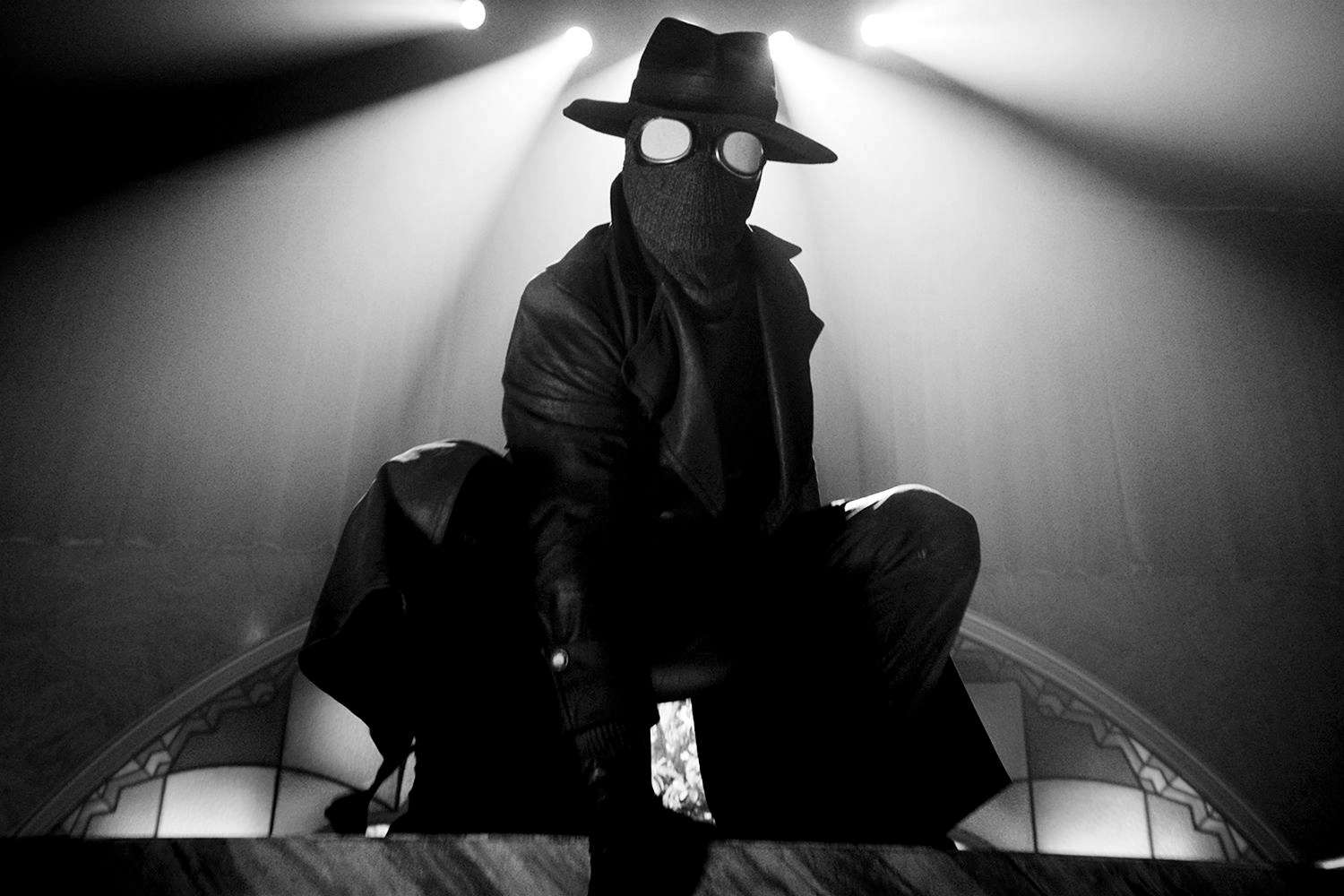
Amazon is giving us a new Spider-Man television series, but this one will not feature Peter Parker.
Spider-Noir, premiering May 25 on MGM+ and globally on Prime Video May 27, stars Nicolas Cage as Ben Reilly. He’s an aging private investigator, former superhero The Spider, full-time disaster. Set in 1930s New York, it follows Reilly as he’s dragged back into a world he thought he’d escaped. He has to investigate assassination attempts on mob boss Silvermane (Brendan Gleeson) while confronting the very thing that made him quit in the first place.
Spider-Noir will have eight episodes available in black-and-white or full color. It hasn’t even aired yet it feels different from anything the Spider-Man franchise has produced before.
Who Is Ben Reilly?
In the comics, Ben technically isn’t Peter Parker. He’s actually a clone of Peter that was created by the villainous Professor Miles Warren.
Warren was obsessed with the late Gwen Stacy and consumed by a misplaced vendetta against Spider-Man. After learning of Peter’s identity as Spider-Man, Warren created a clone of Parker and Stacy.
Now going by the moniker the Jackal, he forced Spider-Man to fight his clone, who assumed he was the real Peter Parker. After surviving an explosion, the clone realizes he’s not the real Spider-Man after all. Rather than try to replace the original, the clone decides to leave New York to start a new life for himself. Before he goes, he names himself Ben Reilly in honor of Uncle Ben Parker and Aunt May’s maiden name.
Ben would later become a superhero as Scarlet Spider, and would sometimes take on the mantle of Spider-Man whenever Peter stepped down from the role.
The Ben Reilly Amazon is introducing to us is an amalgamation of the original Reilly and an alternate version of Peter Parker from Great Depression-era New York in the 1930s. Peter doesn’t seem to exist in this universe, or at least hasn’t got his powers since the show makes it clear Ben is the only superhero in his world.
1930s New York is a Mirror
The world the show inhabits is as dark as The Spider’s costume. Great Depression New York, filled with corrupt aldermen, power brokers, crime syndicates running entire neighborhoods is not a backdrop. The 1930s setting allows the show to explore a more cynical, morally ambiguous side of super heroism.
Executive producers Phil Lord and Christopher Miller, who wrote and produced Spider-Man: Into the Spider-Verse, have referred to Reilly as “older and jaded, and not afraid to punch a guy in the face drunkenly.” Nicolas Cage describes Ben as feeling like “a spider cosplaying as a human.” Ben isn’t a wise-cracking optimist like Peter. This is a man who’s disillusioned with the world, who feels more like an animal than anything else.
Flint Marko aka Sandman is stripped down to a brutal enforcer, someone hired to hurt people. No sand powers, just a dangerous man doing dangerous work. And Black Cat, played by Li Jun Li, becomes a Rita Hayworth-esque nightclub singer. She’s seductive, possibly an ally and possibly not. The femme fatale is a tired trope when it’s lazy. Here it feels like the show is engaging with Noir’s own complicated history with women.
Black-and-White Is a Statement
The option to watch Spider-Noir in black-and-white is the show declaring its influences and asking audiences to meet them halfway. Watching in “Authentic Black and White” is watching a show that knows what it is. The shadows aren’t decorative because it’s where Ben Reilly lives.
That said, “True-Hue Full Color” is there. Watching it in color gives the show a slightly light-hearted feel while keeping a classic, retro look. Nicholas Cage said that “both [versions] work and they’re beautiful for different reasons… I think teenage viewers will appreciate the color, but I also want them to have the option. If they want to experience the concept in black and white, maybe that would instill some interest in them to look at earlier movies and enjoy that as an art form as well.”
Why This Story Matters Right Now
Why does a story about a broken, middle-aged man dressed as a spider feel resonant in 2026?
Because just like Ben, we’re exhausted by the world and the worst it can offer us. In Spider-Noir, the hero doesn’t suffer briefly and then wins. The trauma isn’t conveniently resolved in a third act. In most superhero stories, the responsibility is heavy but it’s always manageable in the end.
Not here. Ben Reilly got ground down and now a case, a conspiracy he didn’t ask for is pulling him back anyway. Not because he’s ready. But because the city needs a hero and he’s the one they have.
That’s not a superhero story. It’s the story of every person who had nothing left to give, and showed up anyway. Classic Spider-Man is a coming-of-age story in every medium, in every universe. Spider-Noir is a coming-to-terms story. That’s not a small distinction.