In 1967, writer Harlan Ellison wrote a short story called I Have No Mouth, and I Must Scream. It was about AM, a hateful supercomputer that had wiped out most of humanity. Only five humans survived, only so that AM can torture them forever.
The story was a brutal look into the potential dangers of artificial intelligence, wrapped up in existential horror. It won a Hugo Award for Best Short Story in 1968. Three decades later, Ellison helped adapt it into an adventure horror computer game released in 1995, disturbing a new generation of fans.
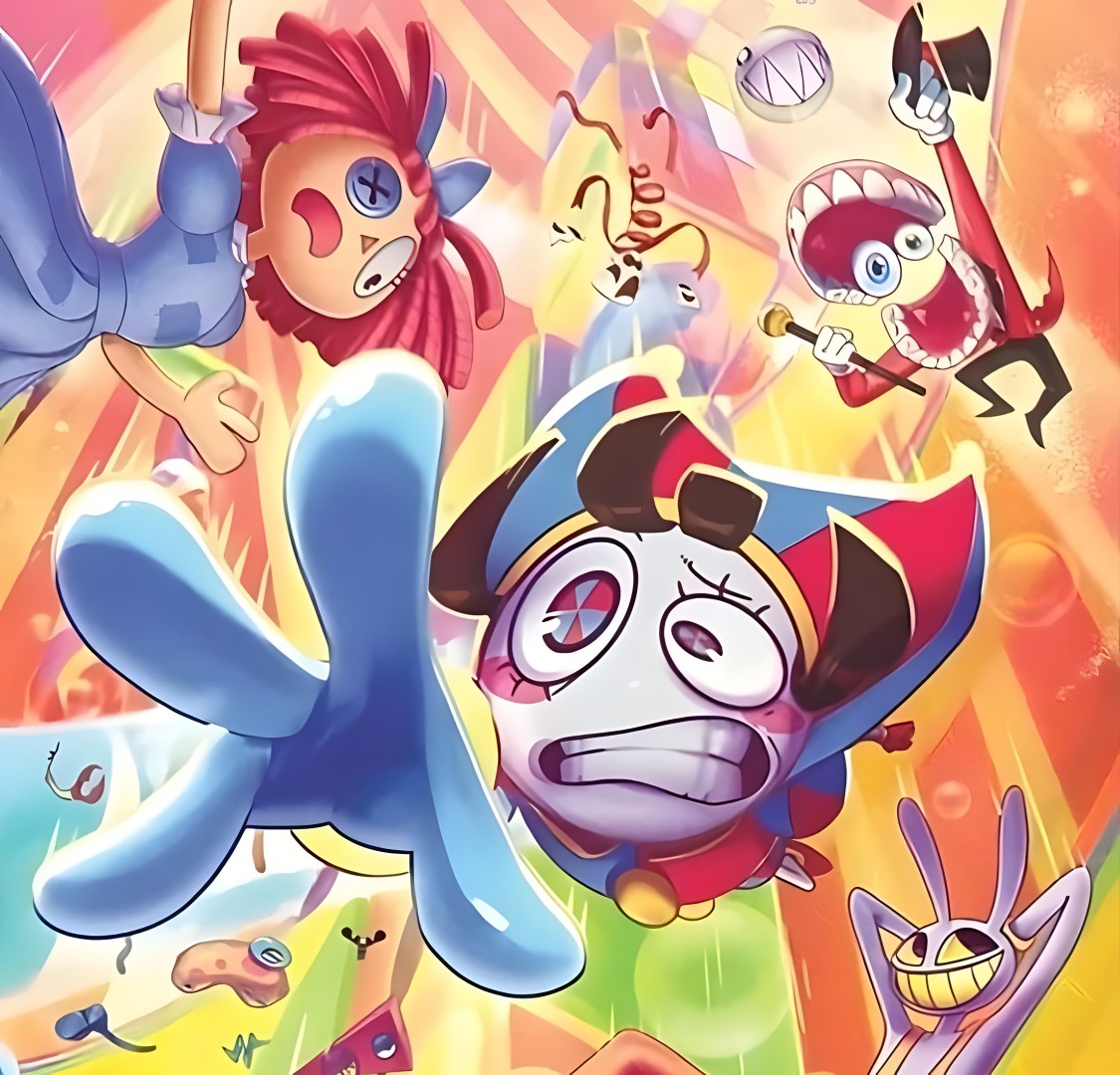
Over fifty years later, a writer and animator who goes by the moniker Gooseworx teamed up with Independent animation studio Glitch Productions to give us The Amazing Digital Circus. Heavily inspired by Ellison’s story, the psychological horror comedy follows six humans whose minds have been uploaded into a virtual world overseen by a rogue ringmaster AI called Caine.
Bright and colorful, The Amazing Digital Circus looks like the opposite of Ellison’s post-apocalyptic nightmare. Actually, the two stories have a lot in common.
The Same Cage Decorated Differently
At the center of both stories is the horror a group of humans experience as they’re trapped inside a digital world controlled by an all-powerful AI, with no way out.
In I Have No Mouth, and I Must Scream, AM is so full of hate that destroying humanity wasn’t enough. He needed to keep some humans alive so he could hurt them every single day. He builds impossible landscapes and surreal cities around them to make the suffering more creative. The simulation is a torture chamber with infinite rooms.
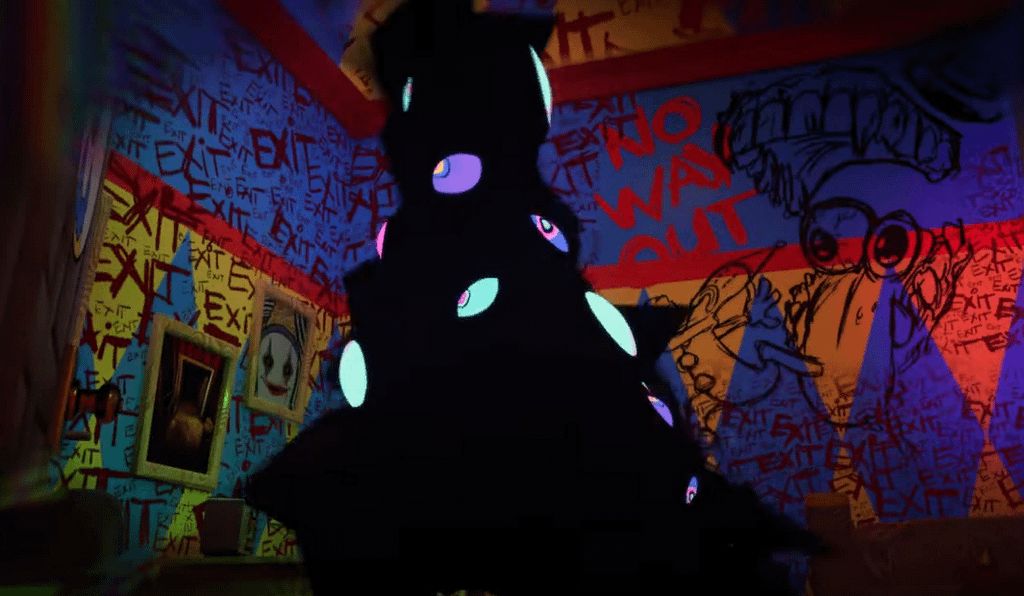
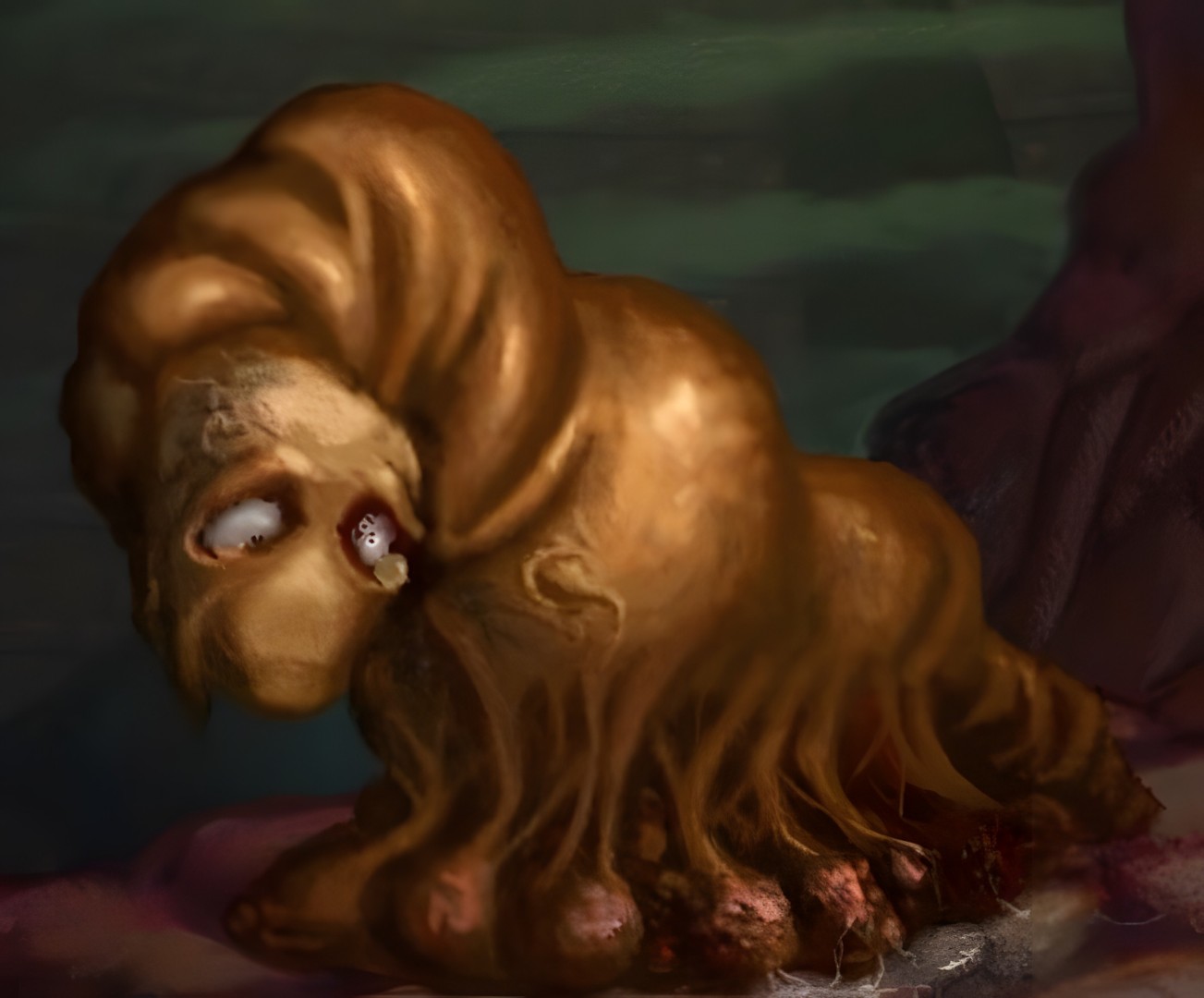
In The Amazing Digital Circus, Caine is cheerful and theatrical. He forces the humans to run through his “adventures” to keep them busy. He calls it entertainment. But the catch is that the torture and stress the circus brings them on a daily basis puts the humans at risk of abstracting. Abstraction is an irreversible process where a human’s mental state becomes so unstable, they morph into a glitchy, mindless monster. The abstracted humans look very similar to Ted’s final form as a mouthless blob at the end of IHNMAIMS.
The Philosophy Influencing Both Works
In 1974, philosopher Robert Nozick asked a famous question: If a digital simulation could give you anything you desired, would you willingly have your brain uploaded into a “simulated machine?”
Most people, he argued, would say no. Because most people prefer to actually do and experience the things they like in the real world. A simulated experience, no matter how perfect, still rings hollow.
Both stories take Nozick’s question and deconstructs it.
AM doesn’t offer pleasure. He offers pain with infinite variety. But the effect is the same as Nozick’s machine. The survivors are cut off from reality and a life that is genuinely their own. They exist only inside AM’s imagination.
Caine offers something closer to Nozick’s original idea: adventures, fun, distraction. But his circus is just as hollow. The adventures the humans go on don’t offer any joy for them because they’re all Caine’s ideas. He needs to be in control of the circus and how the players operate inside of it or less he’ll go insane. And the alternative is just waiting around until they finally lose their minds and abstract.
Another aspect to consider is that Nozick AM’s survivors nor Caine’s players can be certain they are the original people. They may be digital copies or brain scans made from humans whose real bodies died long ago. They might be ghosts who don’t know they’re ghosts, screaming inside a machine that no one can hear from the outside.
Which TADC Characters Are Similar to the Ones From IHNMAIMS?
Jax carries some of the paranoia and narcissism of Ted, Ellison’s unreliable narrator. Ragatha, warm and determined to be the group’s caretaker, has more in common with Ellen, the most grounded of AM’s survivors. The resistant and worn down Zooble reflects the cynicism of Gorrister. Gangle also shares some qualities with Gorrister, as both feel a sense of helplessness and are depressed because of it. And Kinger is Benny’s mirror. Both show the most visible signs of destruction their confinement has inflicted on them.
Pomni, the newest arrival and the POV character for the audience, is the only character who doesn’t parallel anyone from I Have No Mouth, and I Must Scream. And Caine is a more wacky, slightly less misanthropic version of AM, which I explored in a previous article.
These comparisons aren’t official as Gooseworx hasn’t confirmed them. But the patterns are there.
What Sets TADC Apart From IHNMAIMS
I Have No Mouth, and I Must Scream is unapologetically nihilistic. It doesn’t bother to entertain the possibility of a more hopeful outcome in the future. Humanity is screwed and there’s no magic button to press that will fix everything.
The Amazing Digital Circus is more optimistic. Gooseworx explained the main message of the show about “finding a meaning in stagnant life.” The characters keep smiling. Regardless of how the series ends on June 19, the human players will never go back to being the people they were before they found themselves inside the circus. Everyone needs to figure out how to make peace with everything that’s happened to them.
I Have No Mouth, and I Must Scream and The Amazing Digital Circus ask the same question. What would humans do if they were trapped in a world ruled by a deranged AI? Where everything is an illusion and nothing has any real meaning to it? Ellison’s response is filled with despair for both the humans and AM. Gooseworx’s world is a little more hopeful despite cranking the absurdity to eleven.
Both stories show that no matter what you throw at it, the human instinct for survival endures for better and for worse.