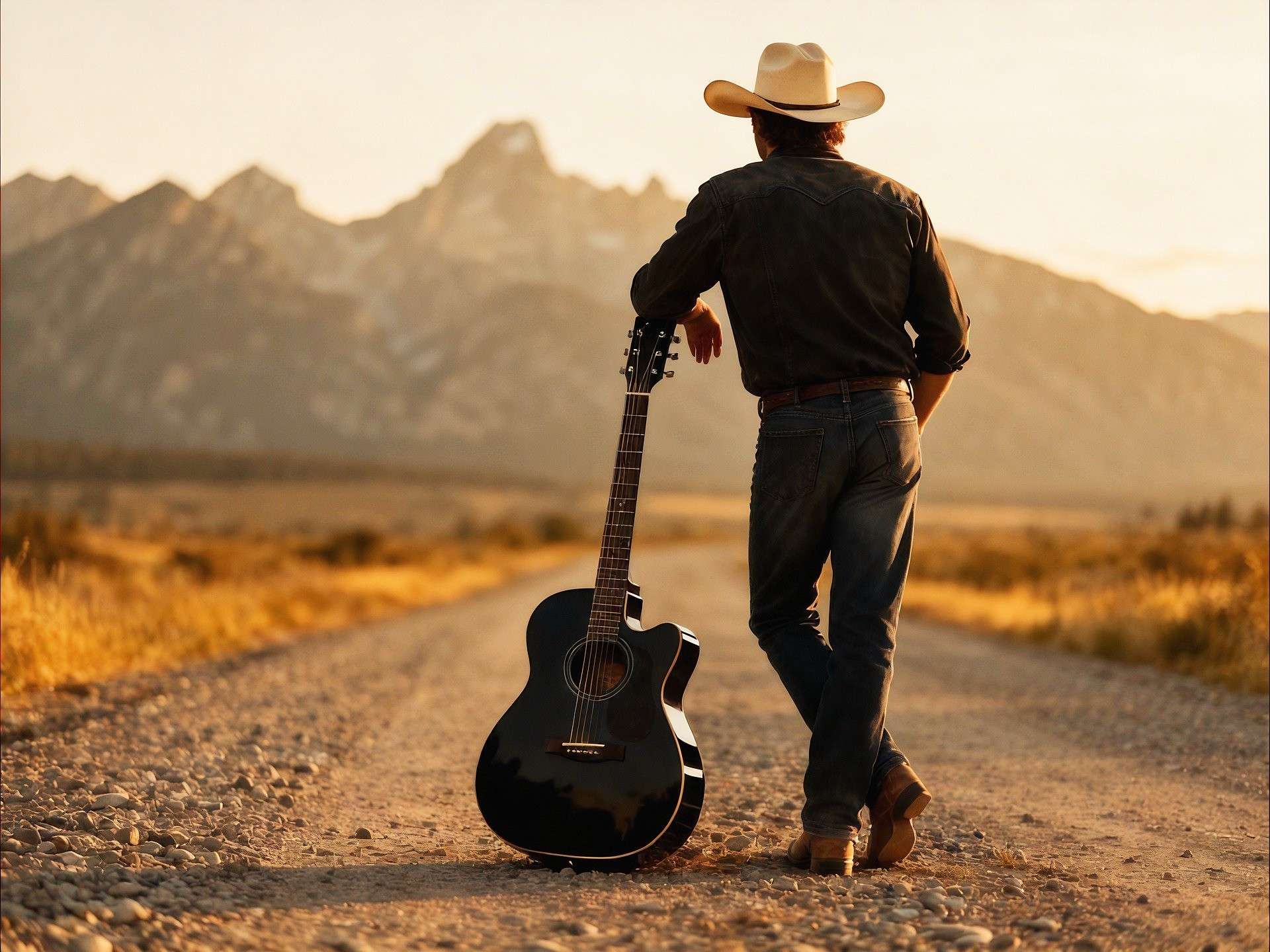
Country music has always been about selling listeners an image. It’s a genre built on “three chords and the truth.” It promises that the person behind the microphone understands your life. But can a genre that celebrates small towns, Jesus and a “nothing a beer can’t fix” mindset relate to a generation that prefers matcha over moonshine?
The Whiskey-Soaked Glass Ceiling
Country music runs on a river of alcohol. Roughly a third of lyrics mention drinking, using it as a shorthand for everything from celebration to heartbreak. The bottle has been a source of creativity for songwriters, an easy way to show pain or joy without saying much more.
So it’s worth paying attention to a concern circulating among Nashville songwriters.
Recent data from Luminate and other tracking services shows that roughly two-thirds of global country listeners are now Gen Z or Millennials. Reports and surveys show that Gen Z drinks significantly less than Millennials or Gen X did at the same age.
They’re more likely to be “mindful” about what goes into their bodies. They tend to care about their mental health, and in many cases are open to cannabis and non-alcoholic beverages. Music venues catering to younger crowds are already reporting lower bar revenue at shows.
But drinking isn’t just a creative formula, it’s a business model. Many country artists have built side businesses around alcohol: whiskey lines, tequila partnerships, bar-forward tour venues. When a generation steps back from drinking culture, it doesn’t just affect which lyrics feel relatable. It affects the financial infrastructure that grew up around the genre’s relationship with booze.
The Small-Town Fantasy
The small-town, Southern, working-class world that country music revolves around applies to a minority of its listeners.
Most of the genre’s growth is coming from cities and suburbs, not small towns. Country is no longer niche rural music. In the U.S. and in markets like Australia, it has gone mainstream. Urban listeners are streaming country music in rising numbers.
So what does that mean for the small-town Southern working-class image at the genre’s core?
Well, pop fans enjoy listening to rap songs about lifestyles they’ll never live. Rock audiences spent decades romanticizing rebellion from the comfort of suburbia. Fans have always been capable of entering a world that isn’t theirs and finding something real inside it. Country music’s rural imagery is less about geography and more about a set of values: self-reliance, community, working hard, and enjoying the simple things in life.
City dwellers may never muddy their boots, but they still listen to songs about the South because they evoke a kind of community that feels scarce in a digital age.
Gen Z fans, in particular, seem to understand this intuitively. While Gen X tends to see country music as being “for” rural white Southern conservatives, younger listeners are more likely to just ask: does this song hit? Do I feel something? The ideological gatekeeping matters less to them than the emotional payoff.
That’s actually a hopeful sign, if country artists are willing to meet them there.
The Real Risk is Refusing to Evolve Country Music’s Image
Country music isn’t in danger of disappearing. But if the genre clings too hard to narrow small-town tropes, it risks alienating a growing and influential audience for one that’s shrinking.
The pride of someone who works with their hands, the longing to belong somewhere, the complicated love of a place that can’t always love you back. Those experiences don’t solely exist inside a small-town. They’re human. A first-generation college student in Atlanta carrying her family’s anxieties can feel that. A young man in a Midwest suburb who’s never touched a fishing pole can feel that. The question is whether the songs are written in a language wide enough to reach him.
Country music’s greatest gift has been the willingness to say hard, true things plainly. To not flinch from heartbreak. To make a three-minute song feel like it was written specifically for the worst Tuesday of your life. The artists that are already doing this are the ones pulling new listeners in without losing the old ones. That balance is possible.
And then there’s the question of who gets to tell these stories. Country’s audience is diversifying fast. More women, more artists of color, more queer voices are visible now than a decade ago and fans are noticing. In recent surveys, nine in ten country listeners say the genre has become more inclusive. Projects like Beyoncé’s Cowboy Carter brought in fans who had never seen themselves in the genre’s traditional image, and many of them stayed.
Country music has survived by learning to hold on to what matters and let go of what doesn’t.
Now it just has to decide what’s what.