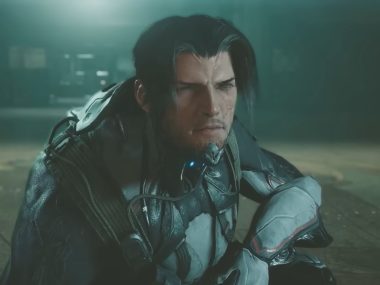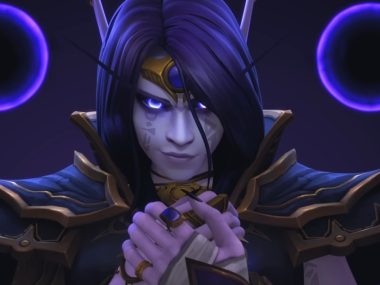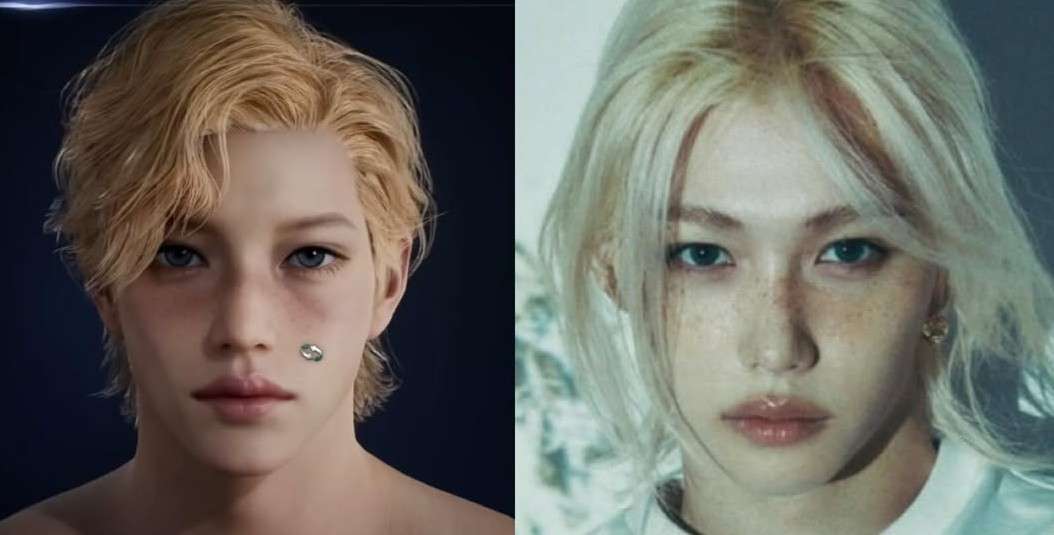
K-pop fans are NOT happy with video game company NCSOFT. Players noticed that several character presets in AION 2 look very similar to popular Korean idols.
Stray Kids’ Felix and NMIXX’s Sullyoon were the first to be called out, but they weren’t the only ones. Presets resembling Sullyoon’s group mates Lily and Bae are in the game too. Others have found designs that resemble NewJeans’ Haerin and aespa’s Karina.
These character designs aren’t just using K-pop idols as a reference. They match distinctive features like the placement of Sullyoon’s moles, the freckles on Felix’s face, or the shape of Karina’s eyes.
There are also presets that resemble Western actors, like Pedro Pascal and Jason Momoa. Those designs have been altered, so they don’t look as recognizable.
The Hypersexualization Makes Everything Worse
AION 2 is rated 19+, and the character designs embrace the hyper-sexualized fantasy aesthetic.
That alone has made some people uncomfortable. It doesn’t help that several of the presets resemble idols who are minors or barely adults. Haerin from NewJeans is legally a minor in Korea. She’s 18 while the age of adulthood in Korea is 19.
Korea has laws that prohibit the sexualization of minors. If a minor’s likeness appears in an adult-only game, regulators can treat it as exploitation even when the designs are stylized or exaggerated.
Now that the courts ruled NewJeans’ contract as valid and Haerin is back under ADOR, the agency is free to go after NCSOFT.
If the resemblance is strong enough to warrant a lawsuit, NCSOFT could enter a legal nightmare of their own making.
How Publicity Rights Could Come Into Play
South Korea’s Unfair Competition Prevention Act protects celebrity likenesses from unauthorized commercial use. If a company profits from someone’s image without permission, that can qualify as unfair competition. The important part is how recognizable the likeness is and whether it creates economic harm or confusion.
AION 2’s presets are part of a commercial product. If those character designs draw from real idols, agencies can claim damages, and demand their removal. Korean courts have already recognized likeness rights as property rights that deserve protection. None of this leans in NCSOFT’s favor.
A Bold Move From a Korean Developer
NCSOFT is not operating in a country where K-pop is extremely niche. They’re based in South Korea. Some of the idols mentioned here are very popular. They appear in commercials, billboards, and news coverage. NCSOFT should know how recognizable these faces are. Eventually, someone was going to catch the resemblance. NCSOFT has called the similarities unintentional, but some of those presets tell a different story.
It was bold to assume players would not notice, especially since some gamers are K-pop fans and vice versa.Borrowing a famous face without permission isn’t just lazy design. It’s a legal and ethical misstep that can cost a company far more trouble than it’s worth.