K-pop idols being overworked is a known problem within the community. It’s something fans complain about as they demand for better treatment of their favs
NCT’s Mark Lee’s recent health results reveal how much damage these extreme work schedules are doing to these idols’ bodies.
What Mark’s Results Reveal
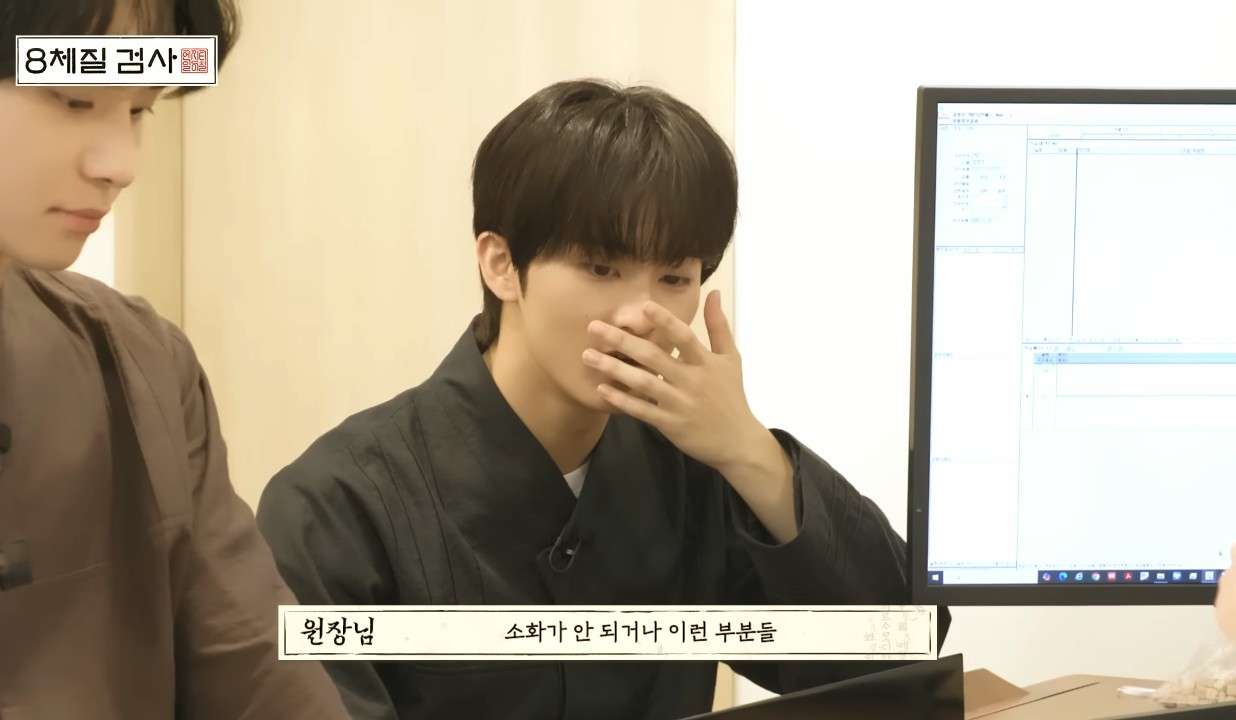
In the latest episode of 127 VIBE, Mark and Jungwoo visit a clinic to take an Eight Constitution Medicine test.
During a body composition test, a doctor told Mark that his current condition matches someone in their 30s or 40s. He’s currently 26 years old (Mark was born in 1999). The doctor made it clear that he might not feel the effects now, he will after he turns 30 like having trouble with digestion. Mark’s body activity levels and aging rate show the kind of strain you only get from severe overwork.
Mark has spent the past decade bouncing back and forth from multiple NCT units. It’s not uncommon for him to do a world tour with NCT DREAM, all while working on music for NCT 127, then jump straight into promotions for 127. Even non-fans are asking SM Entertainment to give Mark and Haechan (who’s in the same situation as Mark) proper rest.
The Weight Of An Impossible Schedule
Mark’s situation is extreme, but it’s not unique. Having multiple comebacks in a year, touring. Appearing on variety or music shows. The constant traveling. The long hours spent in the practice room. Long recording sessions whether it’s for music or filming content for YouTube. Sleep deprivation, starvation, harsh diets. Relying on IV drips and supplements just to function through a busy day. These things have been normalized in the idol industry.
The endless grind and the stress it brings is too much for the human body. Mark has been working like this since he was 15 or 16, with no real break. The industry views these conditions as being a part of the job, but it shouldn’t be like this. These work conditions are signs of a system that would rather burn people out than learn how to operate more sustainably.
A Reflection Of Korean Work Culture
What we’re seeing in K-pop are the worst traits of Korean work culture pushed to the extreme. Working long hours is an expectation. Showing exhaustion is seen as a weakness. You keep going until your body gives out, then you apologize for slowing down.
Mark’s accelerated aging is the same thing happening in offices across the country. The only difference is that it’s under a global spotlight. Korean workplaces begin experimenting with reduced hours and better protections, but those changes haven’t crossed over to K-pop yet.
Can Fans Still Enjoy K-pop While Knowing The Cost?
It makes you wonder: how can you enjoy K-pop knowing the price these idols will pay once they get older? Is walking away the right answer?
If every fan who cares leaves, the only people left will be the ones who think it’s okay for idols to work themselves to death. That doesn’t inspire companies to do better. If anything, it gives them permission to make things worse.
Fans who stay while calling out what’s going on are the ones applying pressure. You can still look forward to a comeback while making it clear your favs deserve to be treated fairly. Awareness doesn’t make you complicit.
K-pop Can’t Ignore This Problem Any Longer
As K-pop pushes into the Western music market, the way the industry operates won’t survive the scrutiny that comes with that.
Western fans are already challenging toxic work cultures in their own countries. They’re demanding better treatment for workers. All it takes is one viral clip to explode beyond the K-pop bubble. It’ll be something so bad, people who aren’t chronically online will associate overwork with K-pop.
The health of idols will eventually become part of K-pop’s brand, regardless of whether the industry is ready or not.Agencies need to rethink how it schedules comebacks, tours, and promotions. It needs mandatory rest periods. It needs to stop acting like IV drips are a sustainable solution. And fans need to keep speaking up, because their voices make it harder for companies to pretend nothing is wrong.