BTS’s upcoming album Arirang doesn’t come out until March 20, yet it’s already causing controversy.
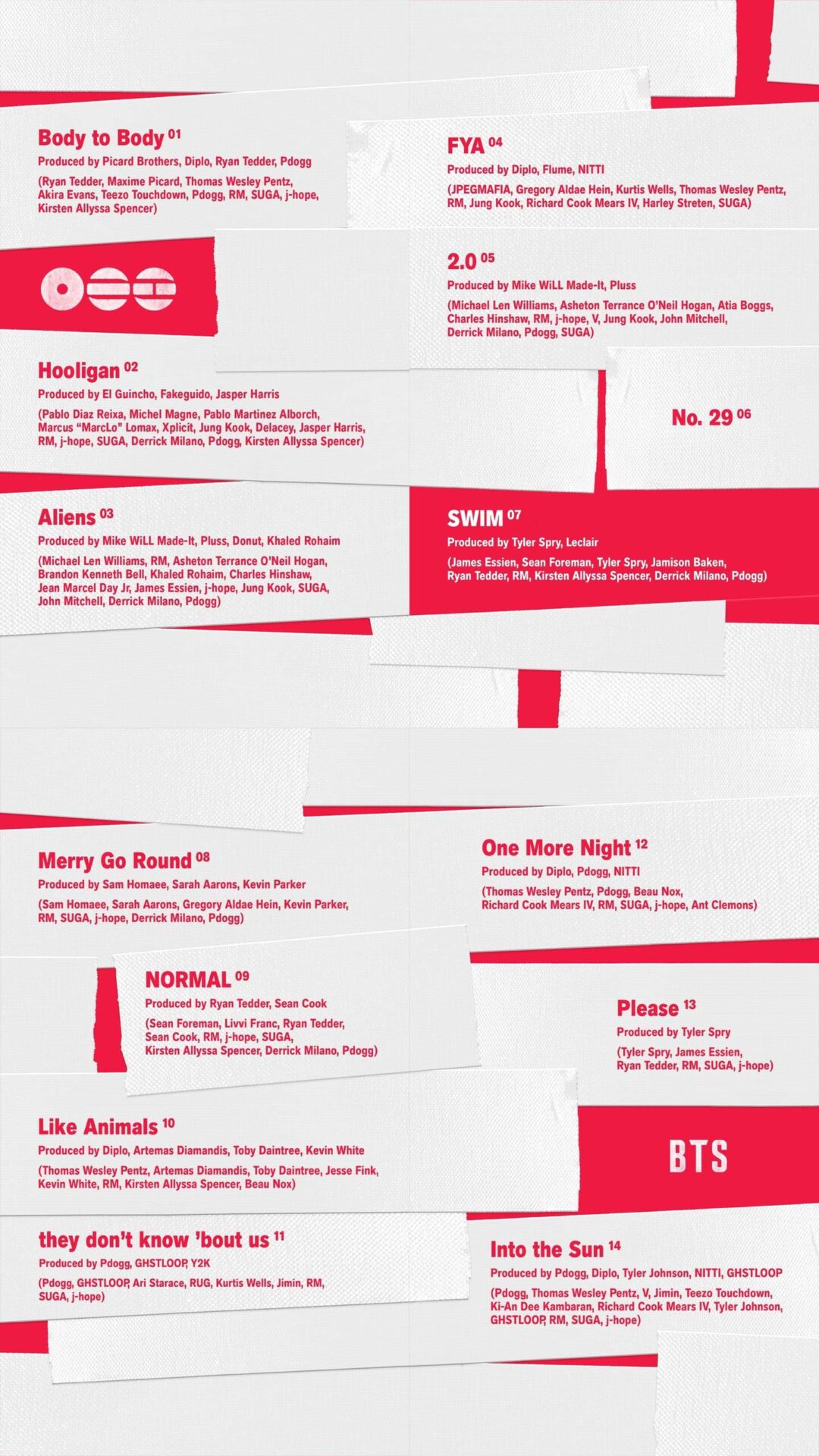
BigHit Music released the tracklist and writing credits for the K-pop boy group’s fifth studio album on March 3. A simple act that managed to piss off a wide variety of people across the internet.
The album is being promoted as “a deeply reflective body of work,” that looks at BTS’s journey through the lens of collective Korean experience.
And yet the album, which gets its name from a famous folk song that represents South Korea’s national identity, is primarily produced by non-Korean American and Western producers. This contradicts what BigHit Music said about the group being “deeply involved” in the creative process for Arirang. The fact that all of the tracks have English titles with NO alternate ones in Korean is what many ARMYs are labeling as a red flag.
It makes one question how much of Korea’s cultural identity will be featured in Arirang? And why BigHit Music would play up BTS’s role in making the record.
What Arirang Actually Means
If you’re not familiar with Korean history, the weight of this album’s name probably doesn’t make any sense to you. So here’s a quick look into why Arirang is so important.
Arirang is more than just a folk song. It’s a beloved cultural asset with roots stretching back to the Joseon Dynasty. The song tells the story of someone whose lover left them behind, watching as their beloved crosses a mountain pass. On the surface, it seems like a simple love song but it goes beyond romantic love. Arirang describes “han,” a complex blend of emotions that embodies a deep-seated sense of longing, grief, sorrow, separation, pain with resilience and hope mixed in.
There are about 3,600 variations of 60 different versions of the song, each one has a refrain similar to “arirang, arirang, arariyo” (“아리랑, 아리랑, 아라리요”).
During the Japanese occupation of Korea from 1910 to 1945, authorities enacted policies meant to suppress Korean identity. The Korean language was banned in schools, and historical texts were either destroyed or rewritten to favor the Japanese. Many were forced to change their names and assimilate into Japanese culture and society. Korean men were drafted into the Japanese army while the women were forced into sexual slavery (called comfort women).
Arirang became a symbol of resistance. It kept Korean identity alive when everything else was being erased. New variations of the song were written during the occupation to reflect themes of injustice and guerrilla warfare.
Ironically, Arirang became a surprise pop hit in Japan during this period. Over 50 versions of the song were in Japanese between 1931 and 1943. It survived because Japan underestimated the power of a folk song.
UNESCO inscribed it on its Intangible Cultural Heritage of Humanity list in 2012. Even North Korea holds its own separate UNESCO inscription for its version. The song is sung on both sides of the Korean peninsula, being one of the few things that unites the two nations.
HYBE named their album after the musical embodiment of a nation’s collective suffering. Then, based on the writing credits, made what appears to be a Western-produced pop record then smacked the word “Arirang” over it like it and called it a day.
What BigHit Music Said About Arirang
The official statement BigHit Music wrote on the Arirang album page reads: “The members were deeply involved throughout the songwriting and production process, infusing their own thoughts and identities while expressing the emotions and reflections they experienced along their journey.”
Take that at face value for a moment. Now let’s look at the writing credits.
What the Production Credits Actually Show
Production and writing on Arirang belongs almost entirely to Western and American producers. Diplo, who faces sexual assault allegations, leads the charge with credits for five of the album’s fourteen tracks. He’s joined by Ryan Tedder of OneRepublic, Mike WiLL Made-It, Flume, Kevin Parker of Tame Impala, and Tyler Spry. That roster wouldn’t look out of place on a mainstream American pop or hip-hop album. But it contradicts an album named after Korea’s most sacred folk song.
What sucks about this is that in music, the order of where the credits are listed matters. It’s an imperfect system, but the ones who had the most significant contributions to a song are usually listed first.
Now look at where the BTS members appear on their own album. Consistently at the tail end, after the Western writers and producers have already taken their place. On “Like Animals,” RM appears seventh out of eight credited writers. On “Body to Body,” RM, SUGA, and j-hope appear last. BTS appears to have contributed lyrics and vocal melodies to tracks that were already written. Not one member of BTS is listed as a producer or co-producer on any track.
And then there is Jin.
Jin’s name is absent from the list of writing credits on the album. In a clip that resurfaced after the tracklist dropped, Jin said that by the time he arrived from his solo tour, the other members had already finished everything.
So how can BigHit Music claim that the members were “deeply involved throughout” the process when one member wasn’t there for most of it? Make it make sense. Jin was also the only member not mentioned by name in the official press release. That’s not an oversight. That’s a pattern.
This Has Already Happened Before
In 2019, RM told Entertainment Weekly: “We don’t want to change our identity or our genuineness to get the number one. Like if we sing suddenly in full English, and change all these other things, then that’s not BTS.”
That position is a big reason why BTS has the global following they have. Many people applauded BTS for refusing to cater to an audience that wasn’t accepting of them. The group came off as seven men who took pride in being Korean and wanted to share that pride with the world.
Then a year later in 2020, BTS released the all-English track Dynamite, which peaked at number one on the Billboard Hot 100. Two more English singles, Butter and Permission to Dance followed in less than a year, both also topping the charts.
RM later walked back on his original stance. When speaking with Billboard in 2021, RM acknowledged that circumstances had changed. Singing in English felt necessary to keep the momentum going when touring was impossible. “There was no alternative,” RM said in the interview.
Fair enough, things changed. I get it. But even then, RM told Billboard that the goal remained to keep BTS’s music predominantly Korean. He had no desire for BTS to become part of the American mainstream.
But when it comes to making business decisions on what direction BTS goes with their music, does RM even have a say anymore? BigHit Music is not the small label just barely getting by. It’s now a subsidiary label under HYBE Corporation, a Korean conglomerate that functions as a global entertainment lifestyle platform.
BigHit/HYBE founder Bang Si-Hyuk has made it clear that his goal is for K-pop to go global. He’s more than willing to remove the “K” aspect of Korean pop music if it keeps shareholders and investors happy. It’s very possible that whatever influence RM or the other members had over their music faded as HYBE grew during their hiatus.
Is it so hard to believe that Arirang would be another example of his strategy? An album that presents itself as K-pop but sounds like anything but the genre?
Reserving Judgment on the Music
I just want to remind everyone that Arirang hasn’t dropped yet.
Track titles in K-pop are unreliable indicators of what the songs are about. “Body to Body” could be about vulnerability rather than sex. “Like Animals” could be a meditation on how instincts and emotions can influence our behavior more than rational thought.
BTS have a long history of songs that sound like one thing and be something completely different in execution. March 20th could surprise everyone.
But the music’s quality is a separate question from BigHit’s lack of transparency. This album has been teased for months. Outside of statements BigHit releases to the press, we have no clue what Arirang’s concept is. All BigHit Music will say is that the album is about “the longing and deep love that lie within their hearts,” which somehow ties into BTS’s roots as a Korean pop group.
Only March 20, 2026 will tell us if music can bridge that gap. For now, Arirang the BTS album looks less like a celebration of Korean identity and more like it’s being used by BigHit as a branding strategy.