Remember when you’d finish a season of your favorite TV show, knowing the next one was in a few months? A year at most?
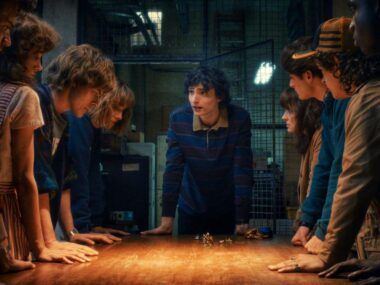
Those days are gone. Fans of Stranger Things waited three years between seasons 3 and 4. The Witcher took over two years. Severance left viewers hanging for nearly three years. And that’s become the new normal.
Hollywood didn’t need to make “prestige TV” the industry standard. The old model of making 22 episodes in a year wasn’t perfect, but it was better than what we have now.
The Audience Is Losing Interest
Long waits are hurting television.
The waiting time for new episodes has gotten so long, people are forgetting what happened on these shows. I’ve watched friends lose interest in series they used to love, because the gap killed their enthusiasm.
When a show takes three years to return, you’re not picking up where you left off. You’re starting over, hoping the audience still cares.
Traditional broadcast TV kept audiences interested in their shows alive with shorter breaks between seasons. Twenty-two to twenty-four episodes meant a show was part of people’s weekly routine for most of the year. Even if half those episodes were “filler,” they kept the storylines and characters in viewers’ minds. Relationships had a chance to develop. Writers got the chance to experiment with standalone stories.
Was it perfect? Absolutely not. But it did create appointment television that people actually remembered.
Now? You get eight quality episodes, then silence for two years while everyone forgets why they cared.
You can’t maintain momentum for a show when people can’t remember what happened last season without a recap.
What We Threw Away
The old way had its strengths that aren’t acknowledged anymore.
The writer’s room was a stomping ground for emerging talent. Up-and-coming writers got feedback, saw their work produced, and developed their skills across dozens of episodes. Those opportunities aren’t available to writers now, as they’re hired to write a few episodes only to wait months for another job.
Episodic storytelling fleshed out characters in ways prestige TV doesn’t. When you have twenty-two episodes, you can spend one following a side character. You can experiment with structure because not everything has to serve the seasonal arc. Some of television’s most memorable episodes came from this level of freedom.
The ability to respond to the audience while a season was airing could be a good thing. If a story arc or new character is working, you could make the necessary adjustments. If an actor had unexpected chemistry with the cast, you could write more scenes. The old model was adaptive in ways that filming an entire season before airing isn’t.
Different Dysfunction
Of course, there’s no denying the old model exploited people.
Grueling hours, burnout, crews working eighteen-hour work days. Writers being pressured to churn out scripts at the expense of their health. These were real problems that needed fixing.
But the exploitation is still there.
VFX workers now face crushing deadlines now that more shows are using special effects. They’re expected to deliver film-quality effects on television budgets, leading to the same burnout the old model created. Except now it’s concentrated in post-production houses that are constantly overbooked and understaffed.
Crew employment is less stable. When a show takes years between seasons, what happens to the lighting crew? The costume department? They’re freelance workers who face massive gaps between jobs instead of consistent work.
Shows get canceled before their stories get a proper ending. Now platforms will cancel a show after one season. Viewers are left hanging while the crews lose the job security that came from multiple seasons.
And then there’s the budgets. Every show is now so expensive that one underperforming project can kill an entire series. The financial pressure is immense, which makes everything more precarious for everyone involved.
We traded one set of problems for another. I’m not convinced the current system is better.
The Middle Path Nobody Took
There was a middle ground. We didn’t have to choose between 22-episode seasons and slow-paced prestige television.
Imagine if the industry had embraced 12-15 episode seasons with better labor protections. You’d still get more time for character development and storytelling, but without the brutal grinding schedule.
Hybrid production models could have worked. Use standing sets where they make sense. Employ selective VFX instead of making everything digital. You don’t need a fully CGI environment for every scene. Sometimes practical effects and good cinematography do a better job.
Maintain writer’s rooms but with reasonable schedules and better pay. You can have the collaborative development process without the exploitation.
But instead of evolution, we got revolution. And revolutions tend to overcorrect.
The Lack of Sustainability
The current model is already collapsing under its own weight.
Platforms are cutting content because apparently making everything expensive and slow doesn’t work. Not when you need to fill a streaming service with content.
Audiences are overwhelmed. There’s too much to watch, so people are becoming more selective. They’ll wait for a full season, or forget about a show during long gaps. Some are watching older shows with complete runs because at least you don’t have to wait for another season.
Only a handful of shows can justify the long wait. Game of Thrones, Stranger Things, The Last of Us. These are shows where the audience will wait because they’re major franchises. The excitement these shows generate is rare.
Maybe some shows will move back toward faster production. Maybe the economy will force meaningful change. Or maybe we’ll keep pretending this is working until the whole system collapses and we start over again.
The television industry fixed the wrong problems. And now we’re stuck with the consequences.