World of Warcraft: Midnight launches March 2. If you’ve been keeping an eye on the gaming space, you may have noticed something interesting. The coverage has been… quieter than usual. They did drop a lore video that is pretty cool:
I don’t play WoW anymore. Haven’t for a while. I still follow the game because the decisions Blizzard makes tend to say something bigger about where live-service gaming is going. And Midnight? It’s saying quite a bit… if you know where to look.
What Midnight Is Actually About (Story-wise)
Midnight is the second chapter of the Worldsoul Saga, which means it’s not a standalone story. It’s a middle act. The villain is Xal’atath, and she’s done with subtlety. She’s launching a full-scale Void invasion of Quel’Thalas, using the Sunwell, the source of blood elf power, as the focal point of something called a Voidstorm. Think: a swirling cosmic nightmare poised to swallow Azeroth in darkness.
Players head back to a reimagined blood elf homeland. Silvermoon has been rebuilt. Eversong Woods is overhauled. The whole region feels like a place with history and stakes, which is actually exciting from a lore perspective.
There’s a new allied race called the Haranir, a new Devourer Demon Hunter spec, and three raids at launch: The Voidspire, The Dreamrift, and March of Quel’Danas. Each one pushing the Light versus Void conflict forward in different ways.
For the players who are in it for the story? This sounds genuinely good. The cosmic stakes are real, the setting is beloved, and the Worldsoul Saga seems committed to building toward something rather than just spinning its wheels.
How Midnight Compares to The War Within
Here’s where things get more complicated. On paper, Midnight and its predecessor, The War Within, are roughly similar in scope. Four new zones. Eight dungeons. A new allied race. A new spec or system.
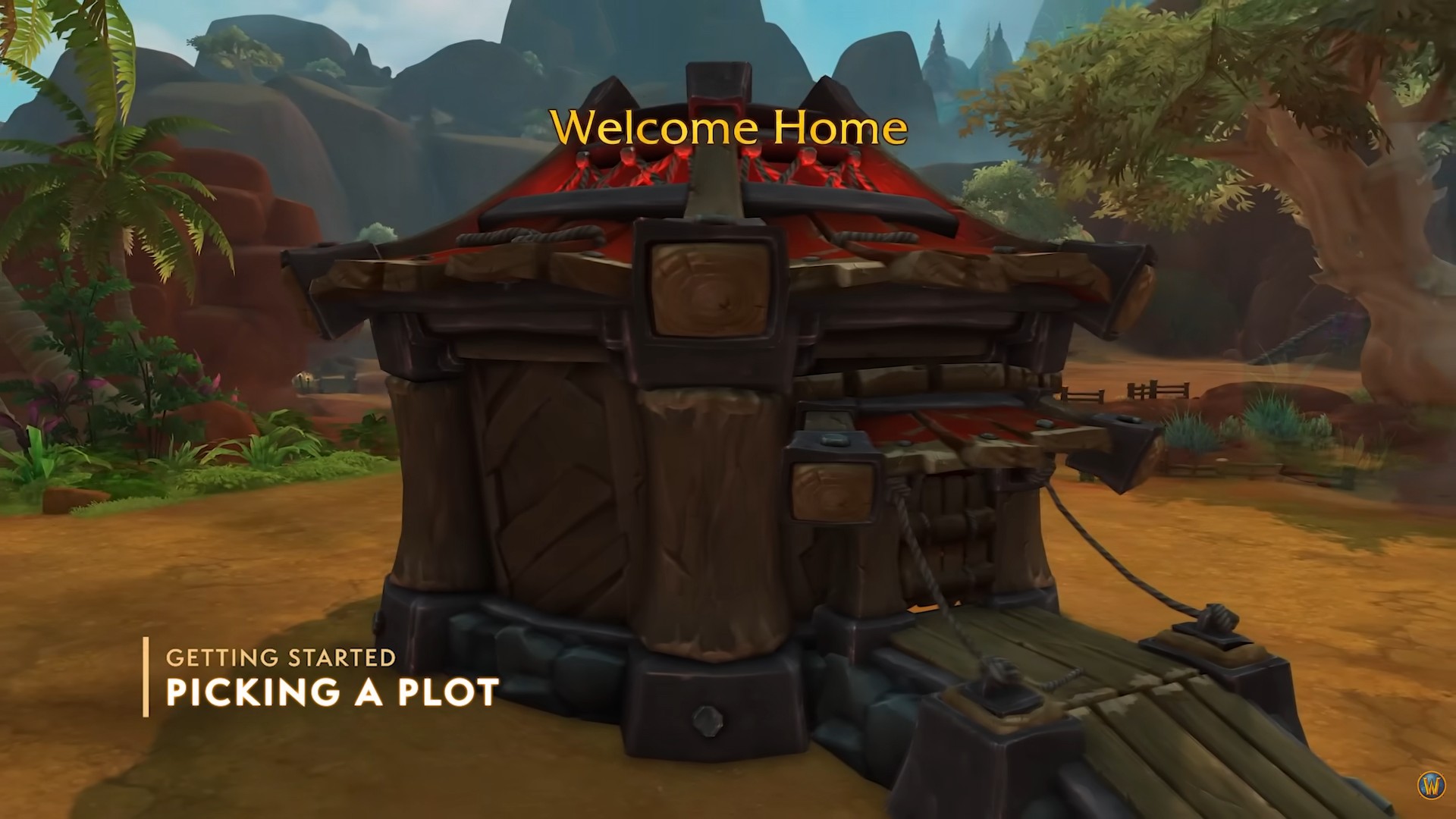
But the feel is different, and players are noticing. The War Within raised the level cap to 80 and introduced Warbands and Delves as a brand-new pillar system that touched almost every type of player. Midnight raises the level cap to 90 and leans hard into player housing as its big marquee feature.
Housing is huge for some people. They’ve wanted it for years. But… here’s the honest truth: housing is also ignorable in a way that Delves weren’t. Delves gave every type of player a new way to earn rewards. Housing gives a specific type of player exactly what they’ve dreamed of, and gives everyone else a shoulder shrug.
Speaking of raiding, did I mention Midnight removes your combat addons? Midnight will allegedly give all the information players need to efficiently and effectively kill foes in dungeons and raids.
Add to that the removal of pet battles as a supported feature (a beloved side activity), and the expansion starts to feel leaner than the box might suggest.
Player Housing Is Great. It’s Also a Monetization Vehicle.
I want to be careful here, because I’m not saying housing is bad. I’m saying we should look at it clearly.
Blizzard is introducing a new premium currency called Hearthsteel. You buy it with real money (via Battle.net balance), and you spend it on housing items and décor. Most housing items can still be earned via normal gameplay: drops, achievements, and vendors, but a specific subset is Hearthsteel-only. Think of it like store mounts: most mounts are earnable in-game, but a few are shop-only. Same model, new context.
Blizzard’s official explanation for why Hearthsteel exists is actually reasonable on its surface: instead of charging your card fifty separate times for a chair, a rug, a painting, and a bookshelf, you buy one chunk of Hearthsteel and spend it piece by piece inside the game. Fewer messy bank statement line items. Cleaner transactions. That’s the pitch.
Here’s the part they don’t say out loud: this also means they can price-adjust individual housing items without changing real-money price points. It also creates a psychological buffer between “I spent money” and “I bought a tiny virtual chair.” That distance isn’t accidental. It’s a well-documented mechanic used across virtually every live-service game that uses premium currencies.
If you ask Blizzard whether this was designed to generate more revenue, they almost certainly won’t say yes. Companies frame these decisions in terms of “player convenience” and “economic health.” Sometimes that’s genuinely true! But would they tell us if the primary goal was increased revenue? No. They almost certainly would not state it that bluntly. Which means we have to read the design choices themselves.
The Gold Economy Is Tighter. That’s Not a Coincidence
This is the piece that I think deserves more attention than it’s getting.
In Midnight’s beta, gold income from normal play is noticeably lower than it was in The War Within. At the same time, more systems are competing for that gold: housing décor, transmog, item upgrades (which now cost gold directly instead of a separate upgrade currency). Players on forums have described it as feeling like every expansion gold piece they spend is being stretched thinner.
Here’s why that matters: WoW Tokens. You can buy one for real money, convert it to in-game gold, add game time or… and add it to your Battle.net balance to buy Hearthsteel. In other words: real money → Token → balance → housing currency. The path is indirect, but it’s there. When gold feels tight and more things cost gold, the “just buy a Token” option starts looking more attractive. Even to players who would never have considered it before.
Is this intentional? Blizzard would call it “economic rebalancing.” And to be fair, there’s no direct evidence that tightening gold was explicitly designed to push Token sales. But it lines up neatly. Too neatly, maybe. The conflict of interest between a tighter gold economy and a system where Blizzard profits from selling Tokens is real, and it’s worth naming.
So Who Is This Expansion For?
Honestly? Midnight feels like it has a clear target audience, and it’s not the same audience The War Within was chasing.
If you love blood elf lore, you’ve been waiting for Silvermoon’s return, or the Light versus Void cosmic storyline genuinely excites you, this expansion is probably going to feel like a gift. If you are a housing enthusiast who has wanted a dedicated player home in WoW for years, March 2 is going to be a big day for you.
If you’re a long-time player who loved complex rotations, deep spec management, and the whole ecosystem of addons and WeakAuras built around that complexity, you may find Midnight’s class reworks frustrating. The design philosophy is moving toward cleaner specs with fewer buttons and less addon dependency. Players describe this as either “finally accessible” or “dumbed down,” depending entirely on who you ask.
And if pet battles were your thing? Midnight has quietly moved on without you. That’s a real loss for a real group of players, and I think it deserves to be said plainly.
My Honest Take
I’m not coming back for Midnight. Nothing in the expansion is calling me back, and that’s okay. Games and players grow in different directions, and I have zero resentment about it.I genuinely hope the players who are excited have an incredible launch. I’ll be watching streams starting on Feb. 27th for early access, cheering people on, and looking forward to learning the new lore as it unfolds. That part I’m actually excited about.
But… as someone who writes about games and watches the industry closely, I think Midnight is an expansion worth analyzing honestly. The housing system is a long-requested feature that arrives packaged with a new premium currency and a tighter gold economy. That combination isn’t proof of bad faith, but it is a pattern worth recognizing. Blizzard is building more and more bridges between the in-game economy and real-money spending, and the design of those bridges is getting more sophisticated with each expansion.