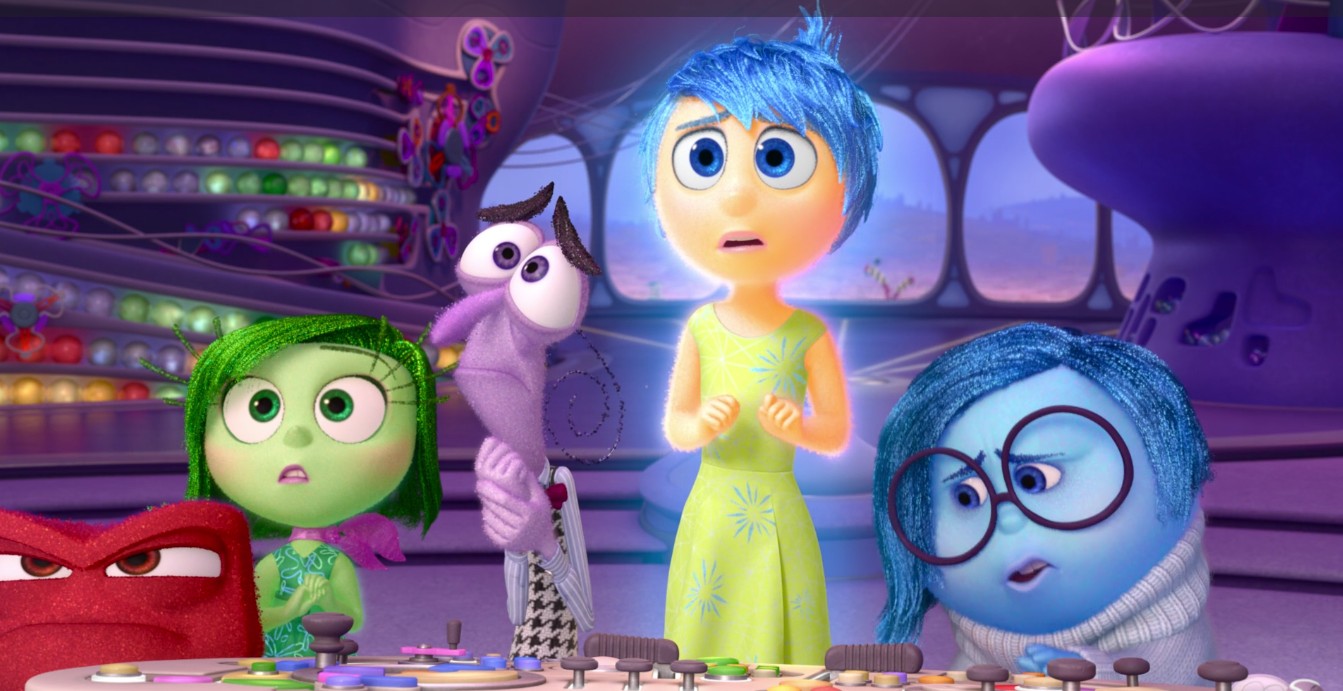
Today, I had the pleasure of watching Inside Out, a film by Pixar Animation Studios. One of my goals this year is to catch up, not just on the movies I’ve missed, but on life itself.
After seeing the trailer for Outward, I felt motivated to finally sit down and watch a Pixar film. To be honest, I couldn’t even think of one off the top of my head, which says a lot about how behind I am. I searched YouTube, and Inside Out was the first result that came up.
The movie fell into my lap at exactly the right time.
Spoilers
Inside Out tells the story of an 11-year-old girl named Riley through the perspective of her emotions: Joy, Sadness, Anger, Disgust, and Fear.
These emotions are portrayed as real characters. The film explores how they work together (or against each other) to shape Riley’s day-to-day life.
At the beginning of the movie, Riley’s life is stable and happy. Most of her memories are joyful. She has a close relationship with her parents, and she enjoys school and spending time with her friends. Life is good… until her family moves from Minnesota to San Francisco.
Murphy’s Law
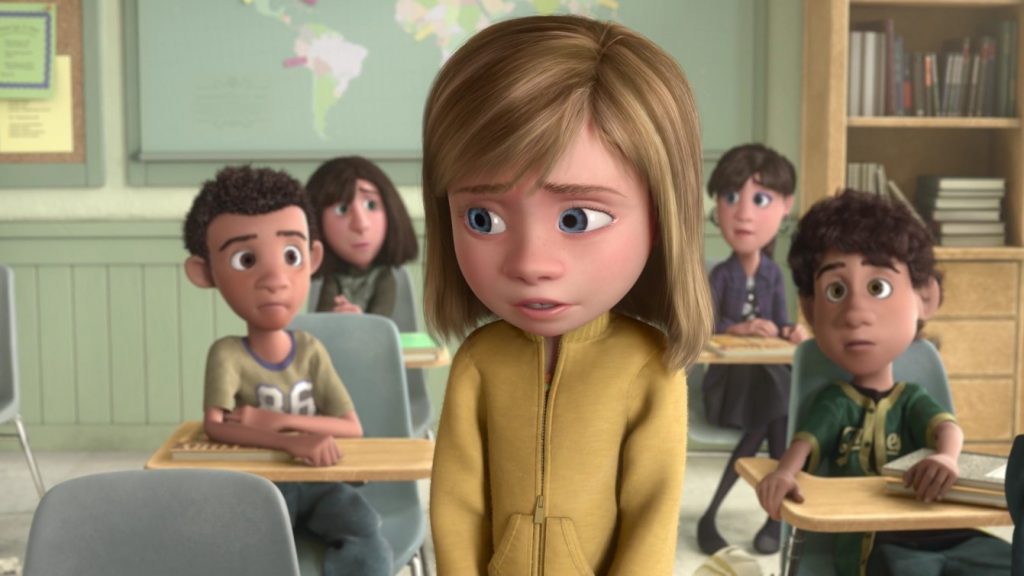
At first, Riley is excited about the move, but that optimism starts to fade. The house they move into needs serious repairs. The moving van is delayed. Her father has to work on their first day in the new city. Even something as simple as getting pizza was a struggle.
Keeping Riley happy becomes increasingly difficult. It doesn’t help that Sadness feels compelled to touch Riley’s memories, turning once-happy moments blue.
Without giving too much away, the story takes a dramatic turn when Sadness accidentally touches one of Riley’s core memories. That single moment sets Joy and Sadness on a journey that leads to the film’s most important lesson.
Too Much of a “Good” Thing
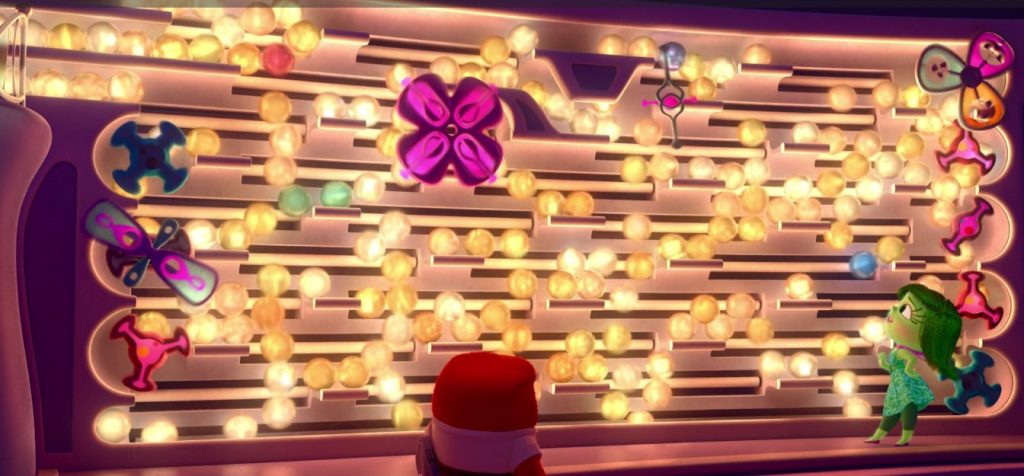
Watching Inside Out made one thing very clear. The overwhelming number of yellow memory orbs (representing happiness) didn’t reflect Riley’s true feelings. She wasn’t happy all the time.
In real life, we’ll experience a spectrum of emotions. It’s normal to feel sad, angry, fearful or disgusted at different points in our lives.
Throughout the film, Joy tries to suppress these “negative” emotions in an effort to keep Riley happy at all costs. The movie makes it clear that this approach is.
Eventually, Joy slowly realizes that every emotion plays a role in shaping Riley’s personality. Suppressing feelings doesn’t make them disappear. It just forces them to surface in other, sometimes more damaging, ways.
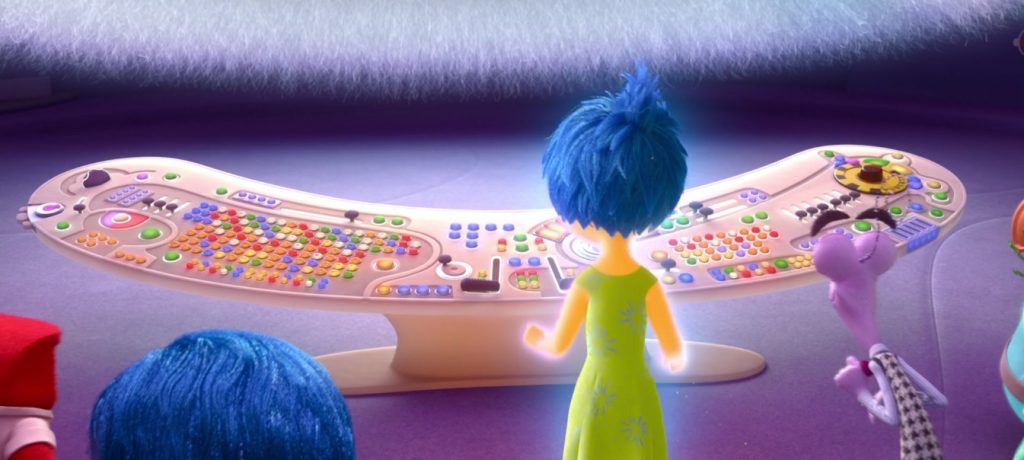
Pixar does an excellent job visualizing how memories are formed and stored. It’s not a literal depiction of how the brain works, but it helps viewers reflect on their own emotional experiences.
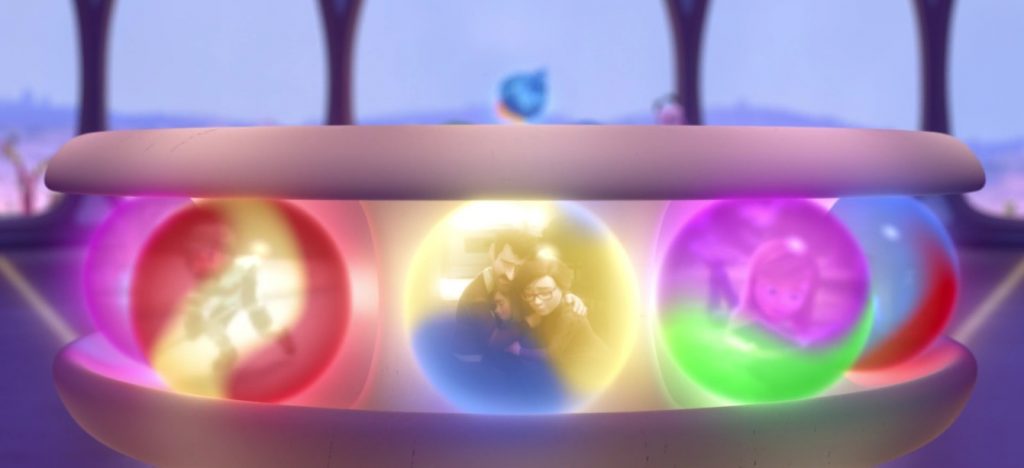
By the end of the film, Riley’s memory orbs are no longer a single color. They’re mixed, complex, and layered just like her feelings. Joy, Sadness, Disgust, Anger, and Fear receive a new console to respond to the more complex situations that Riley will encounter as she grows up.
What I Learned
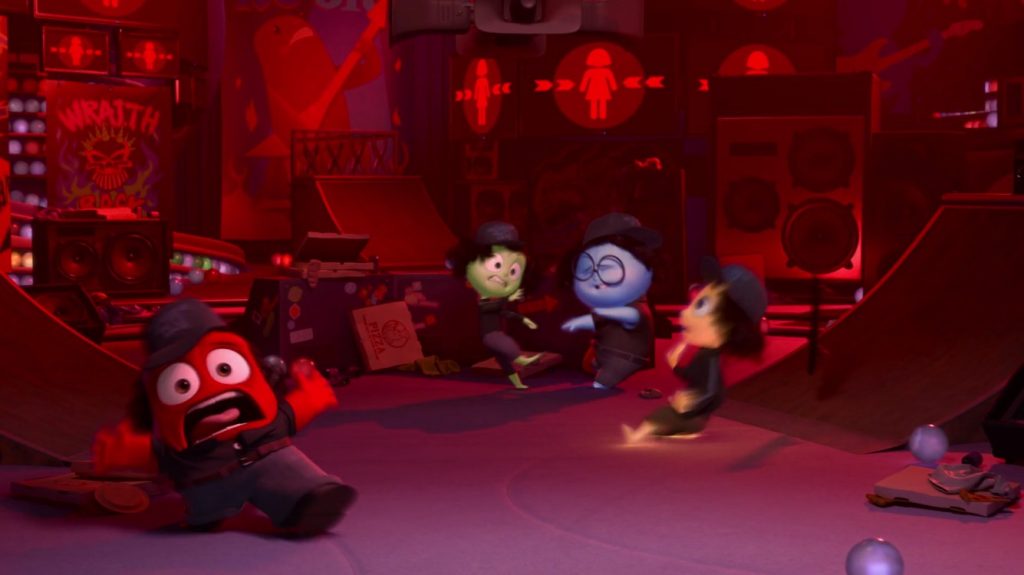
The movie came at the perfect time for me, as it reminded me that it’s okay to feel .
May 2019 was a difficult month for me. Two of my cousins passed away within two weeks of each other. There were a number of other issues that I’ll share another time. For a while, I felt like I was drowning, trying to hold everything together while pretending I was fine.
As I watched the memory orbs in the film, I realized that I didn’t want my own memories to“only” be happy. I want my memories to accurately reflect the journey that life threw my way and how I responded to it. There will be times when I feel sadness, and that’s okay. I just can’t let it consume me, the same way I can’t pretend to be happy all the time.
Even as I type this, I can visualize the memory orbs. I could see the emotions tied to my memories, they’d be gray.
It’s time for me to fix that.
📌 Changelog
- December 10, 2025: Changed the formatting and re-wrote some sections to improve the flow.
- June 4, 2019: Date article was originally published.