Sometimes the truth is stranger than fiction.
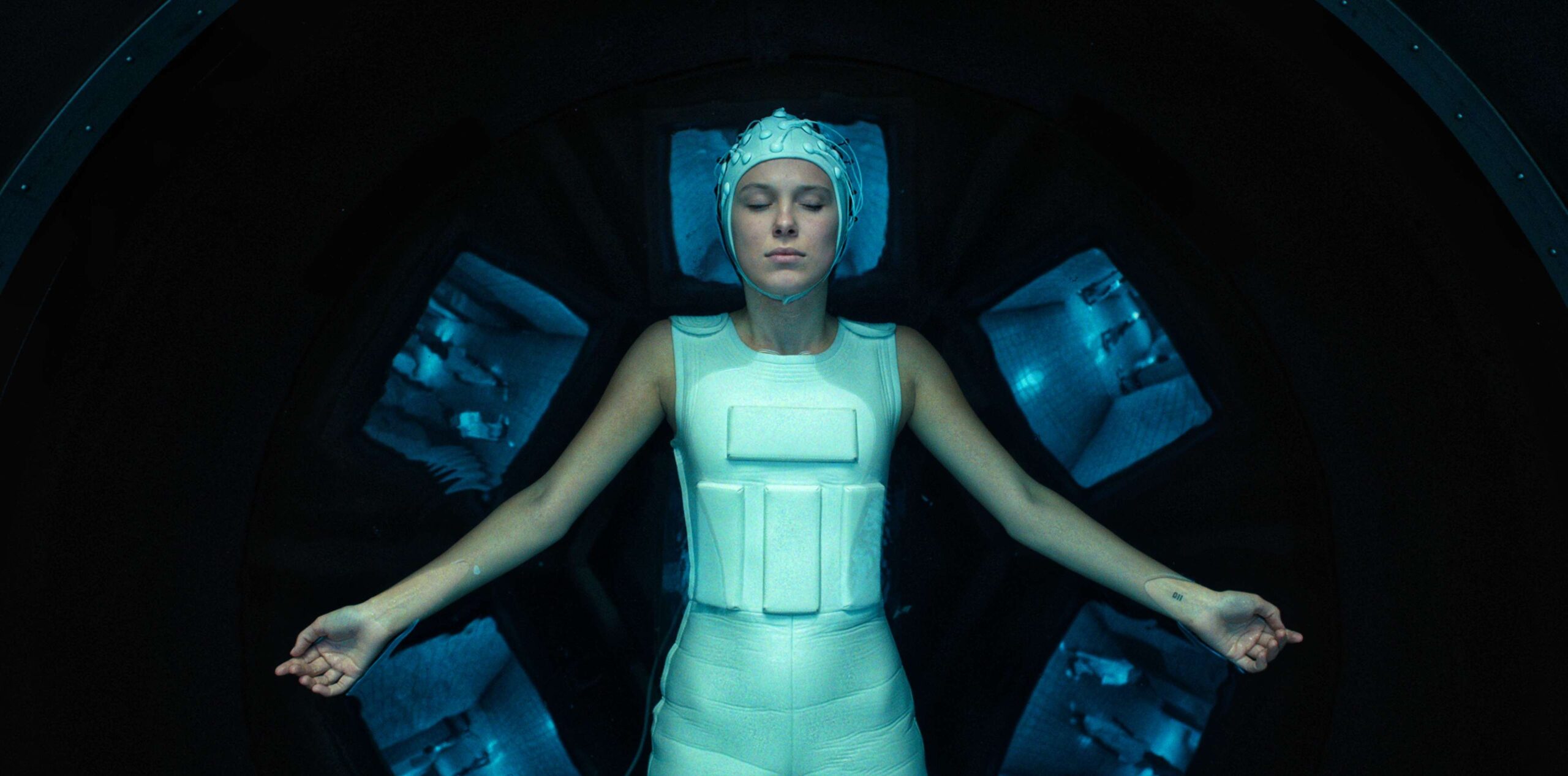
The Nina Project, an underground sensory deprivation facility where Eleven relives her trauma in Season 4, sounds like pure sci-fi. Secret government lab in the Nevada desert. A teenage girl with psychic powers strapped into a tank. Scientists and researchers monitor her while she’s forced to confront her darkest moments.
The crazy thing is that everything about that storyline has roots in actual Cold War programs. The Duffer Brothers didn’t need to invent much.
MKUltra: The Blueprint for the Nina Project
If the Nina Project has one direct ancestor, it’s MKUltra.
MKUltra was a secret CIA program that ran from 1953 to 1973. Illegal experiments were conducted on unwitting subjects that range from sensory deprivation, sleep deprivation, psychological abuse to being given to psychedelic drugs. This was all in an attempt to develop techniques for mind-control, interrogation and behavior modification.
The Nina Project’s tank is a fictionalized version of MKUltra’s real experiments, which aimed to break down identity and increase suggestibility.
Files related to MKUltra were ordered to be destroyed in 1973. Most of what we know comes from a small cache of financial records that survived by accident. We’ll never know the full extent of what was done.
The Show Was Almost Named After The Montauk Project Conspiracy
Before Stranger Things got its name, it was called Montauk.
The Duffer Brothers’ original pitch centered on the Montauk Project. It was a conspiracy theory that claimed the U.S. government conducted secret experiments at Camp Hero in Montauk, New York.
The conspiracy originated in the 1980s through books written by Preston Nichols. The books are based on his “recovered memories” of being involved in these experiments. The main allegations in the books were that children were kidnapped and subjected to psychic-warfare training. The project also did research into time travel, teleportation, mind control and extraterrestrials.
There’s no evidence for any of this. But Camp Hero is a real, decommissioned military base that’s been turned into a state park.
The Duffer Brothers eventually moved the setting to the fictional small town Hawkins, Indiana and changed the name. But the influence of Montauk remains in every frame of Stranger Things.
Nina Kulagina: The Real Life Inspiration for Eleven
Nina Kulagina was a Russian woman who became famous during the Cold War for her claim of having telekinetic abilities. Soviet scientists studied her for roughly 20 years. Western intelligence agencies monitored her. The CIA filed reports on her “supernatural achievements.”
She was filmed moving objects across tables like matches, ping-pong balls, salt shakers, supposedly using only her mind. In one controversial experiment, she allegedly stopped a frog’s heart while scientists watched.
Was it real? That’s complicated. Some Soviet researchers insisted her abilities were genuine. They placed her behind glass, checked for magnets and wires, and used multiple camera angles. The West was skeptical and argued she used hidden threads and stage-magic techniques. The truth hasn’t been revealed.
The Duffer Brothers have never confirmed the “Nina Project” name is a direct reference to Nina Kulagina, but the parallels are hard to ignore. Her story sits at the intersection of government experimentation, psychic research, and Cold War intelligence.
These Tidbits Makes Stranger Things Feel So Real
What gets me about the Nina Project and Stranger Things in general is that the show didn’t need to exaggerate much.
It seems ridiculous now but the 1950s–70s were a period defined by nuclear anxiety. Rapid advancements in science ran parallel to growing paranoia over the Soviet Union. Rumors swirled that the USSR were not only experimenting with telepathy and hypnosis, but were making major breakthroughs as well.
The fear of falling behind was strong enough for both governments to dive into the world of parascience. If there was even a 1% chance that a human could actually develop psychic abilities, neither side wanted to ignore it.
The idea that everything related to Hawkins Lab could have happened in real life is unsettling.
The Duffer Brothers didn’t have to work hard to make the Nina Project feel real. They just had to look at what the CIA was doing in the 1970s and ask: what if they succeeded?