Japan releases around 200 to 300 anime titles every single year. Of that staggering output, only 20 and 30 percent ever receive an official Western release.
Think about that. The culture you think you know has a hidden majority.
Why Some Anime Weren’t Distributed to the West
This isn’t an accident. It’s a decision made by a small group of licensing companies, streaming platforms, and regional distributors. Crunchyroll, Aniplex, Sentai Filmworks decide which slice of Japanese animation is shared with the West.
Jonathan Clements, anime historian and co-author of The Anime Encyclopedia, has described how this filtering has been a part of the industry for decades.
In the 1980s and 1990s, a handful of small U.S. and U.K. companies handled nearly all Western anime releases. They were ruthlessly selective. ADV Films famously operated by an unofficial “No princesses” rule since those types of anime, while popular in Japan, flopped with British audiences. Mobile Suit Gundam, a franchise that helped popularize the mecha genre in Japan, was largely passed over in the West for years for being too complex.
Japanese producers, Clements has noted, often assumed domestic success would automatically happen abroad. It almost never did. Western distributors knew what regional audiences wanted so they pushed back.
What Broke Through
The ironic thing is the anime that were distributed in the West were not a reflection of what was popular in Japanese pop culture.
The titles that first cracked Western markets in the 1980s and 1990s like Akira, Ghost in the Shell, and Urotsukidoji were written off as niche Otaku content. Adult-oriented, and hyper-stylized content didn’t represent what most Japanese viewers were watching at the time.
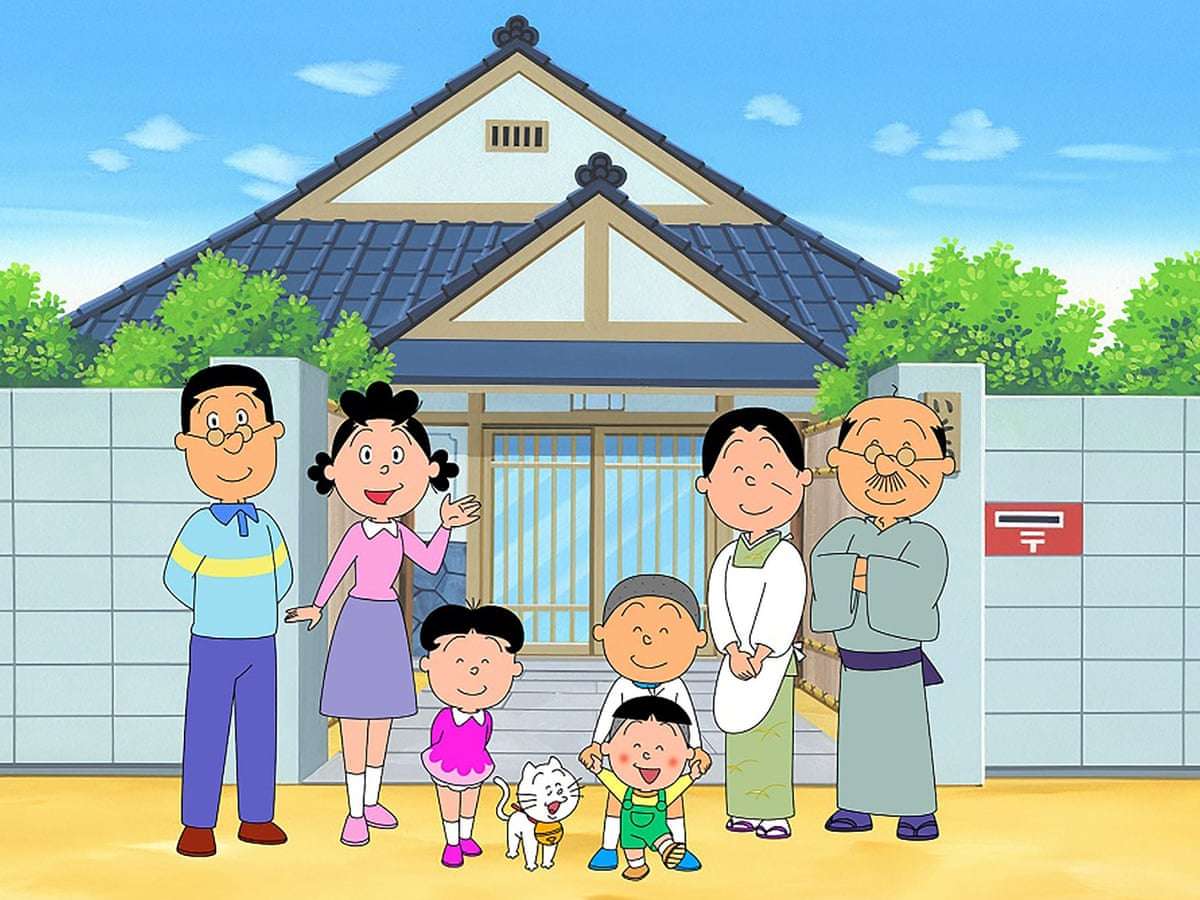
Japanese creators found this phenomenon frustrating. They felt like their country’s pop culture was being defined by fringe titles that were only enjoyed by specific subcultures. The warmth of shows like Doraemon or Sazae-san (which is the longest running animated series in the world) didn’t register abroad, because nobody was selling it.
Streaming Platforms and Social Media Opened a Door (Sort of)
Things have improved to an extent. Demon Slayer and Jujutsu Kaisen are mainstream powerhouses now. Streaming platforms like Crunchyroll simulcast episodes within days or even hours after airing on Japanese television. In 2025,Netflix revealed that more than 50 percent of its global users (around 300 million viewers worldwide) now watch anime on the platform. It’s a number that would have seemed fantastical twenty years ago.
Viral clips on TikTok, Reddit threads, memes and fan translations on sites like Nyaa have actually pressured distributors to license certain anime. Spy x Family, Frieren, Oshi no Ko all benefited from fan campaigns demanding they’d be made available for global audiences. Fansubs, for all the legal complexity they carry, spent decades building demand for titles that official channels had abandoned.
But Clements warns the filter hasn’t disappeared.
Social media doesn’t highlight every anime that’s popular in Japan. It focuses on what’s meme-able, or something that fits a particular vibe, whether it’s cozy, intense, or has great animation.
So even as streaming expands access and fan communities push for more licenses, the systemic bias toward certain content continues. Over 90 percent of Japan’s anime hasn’t been distributed outside of Japan. The door has been left ajar, but it’s not wide open.