From the moment he appeared in Season 2 of Marvel’s Daredevil, Jon Bernthal made Frank Castle feel real in a way no live-action version had managed before. He wasn’t just violent. He was a broken man whose grief had morphed into something terrifying. Frank served as a dark mirror for Matt Murdock, a glimpse of what Daredevil could become if he stopped believing in the justice system. That contrast gave both characters more weight.
The Netflix Punisher series then took that foundation and used it to flesh out Frank’s character. Season 1 followed Frank as he dismantled Operation Cerberus, an illegal CIA program run by the corrupt Agent Orange, William Rawlins. Agent Orange had smuggled heroin out of Afghanistan using soldiers’ bodies as cover.
Rawlins had been behind the hit on Frank’s family, using it to silence Castle before he could expose what had happened in Afghanistan. So Frank didn’t just fight thugs. He tapped phones, built a network with former NSA analyst Micro, and cut the conspiracy apart from the inside. He was methodical, patient, and always a few steps ahead. That’s what made him frightening; it wasn’t just his rage, but his precision.
Then Disney+ brought him back in Daredevil: Born Again, with Bernthal himself saying Season 1 “opened the door to getting closer to the Frank Castle that I really, really want to portray.”
So when The Punisher: One Last Kill premiered on May 12, 2026, fans expected the TV special to revisit the Punisher they fell in love with during the Netflix Marvel era.
It didn’t.
What Happened in One Last Kill?
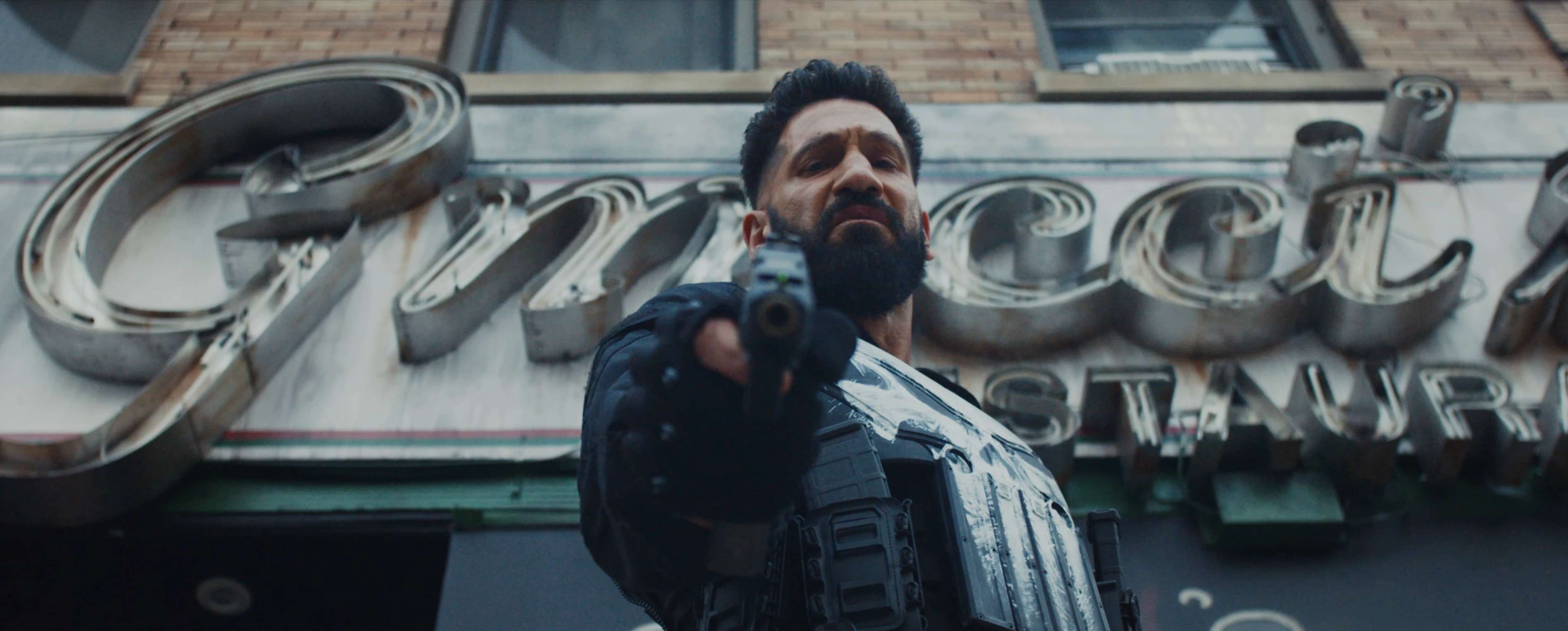
The special finds Frank at rock bottom. He’s haunted by hallucinations of his dead wife Maria, fellow Marines and friends Curtis Hoyle and Karen Page. He visits his family’s graves and nearly takes his own life. Then Ma Gnucci (played by Judith Light), the last surviving member of the crime family connected to his family’s deaths, tells him she’s placed a bounty on his head. At exactly 6:47 p.m., every criminal in Little Sicily is coming for him.
And so Frank fights his way through the neighborhood. He saves a little boy and his mother. He saves a family at a bodega. He executes a thug named Mickey who had been terrorizing the neighborhood. He reclaims his skull emblem and is seemingly back to raging his war against all criminals.
The action sequences were well-executed and Bernthal is extraordinary. The violence is unlike anything Marvel has produced before, brutal in a way that leaves audiences stunned by how over-the-top it is. But when the credits roll, something feels off. Frank ended the special back at square one: grieving, reactive and reciting his iconic “One Batch, Two Batch” mantra like a man who hasn’t moved an inch.
That’s the problem.
Frank is Too Reactive
Every action Frank takes in One Last Kill happens because someone else made the first move. Ma Gnucci puts a bounty on him. Criminals set his building on fire. An innocent little girl is in danger. He responds, but he never initiates. This turns one of Marvel’s most dangerous characters into a glorified security guard, someone waiting for the emergency, then handling it..
Some critics have questioned if Marvel or Disney has run out of things to do with this character, and it’s easy to see why. When Frank is reactive, his “war on crime” feels more like crowd control.
This is what makes the choice of Ma Gnucci so interesting and so frustrating at the same time. The Gnucci Crime Family first appeared in Garth Ennis and Steve Dillon’s 2000 story arc “Welcome Back, Frank.” It was a soft reboot of the Punisher after Marvel had taken the character in some strange directions that involved the supernatural.
In that comic, Frank announces his return by killing Ma Gnucci’s three sons, then survives her $10 million bounty that attracts every kind of dangerous killer imaginable. Then he walks up to her mansion, sets it on fire, and throws her inside. He isn’t reacting to a threat because he is the threat. He chooses the fight, controls the ground, and forces his enemies to come to him on his terms.
That’s the version of Frank that Bernthal is built to play. That quiet, predatory calm is more frightening than just screaming his way through rows of crooks.
Frank Castle, the Strategist
A “strategic” Frank Castle cuts the power to the building before the villains even realize he’s there.
This is a side of the Punisher the writers haven’t fully explored on screen. Frank as an infiltrator, embedding himself inside a private military corporation or a rogue criminal network. A tactician who turns crime families against each other, like Ennis wrote him doing in the comics. These stories would still be dark and violent, but the violence would be purposeful. It would feel like a campaign, not a loop.
Season 1 of the Netflix show actually got close to this. Frank wasn’t just killing criminals, he was running an intelligence operation. He had assets, a safe house, long-term objectives. The mission gave his violence direction. The special is supposed to function as a turning point where Frank transitions from a man hunting personal ghosts to a vigilante committed to an endless war on crime and that’s rich territory. The problem is that One Last Kill tells us this transition is happening without showing us the Frank who could make that war mean something.
He gets some sweet moments throughout the special. He saves Dre’s family and accepts a paper rose from Dre’s daughter Charli. He returns the stolen hat of a veteran. We get to see memories of his family. These moments are genuinely moving, but they shouldn’t be the only things that make Frank feel human. They should be the rare light in the life of a man who has chosen to be a weapon.
The Gap Between Care and Challenge
Jon Bernthal co-wrote this special with director Reinaldo Marcus Green. He fought to do Frank justice when Born Again initially went in a direction he didn’t agree with. He consulted real veterans to get an idea of what could be going through Frank’s mind. Bernthal truly cares about this character. There’s no questioning that.
But there’s a difference between caring about Frank Castle and knowing how to challenge what type of character he should be. The hallucinations of Karen and Curtis are meant to externalize his PTSD, but fails to show us who Frank is becoming, not just who he’s always been.
One Last Kill retraces the steps every other Punisher story arc has done before. That doesn’t make it bad , it makes it safe. And “safe” should be the last word you ever associate with The Punisher.
Jon Bernthal has the talent and Frank Castle has depth. Disney just needs to give Bernthal the freedom to play Frank as the complicated, methodical, and savage strategist he truly is… not just a man in a vest waiting for something bad to happen.
The Punisher: One Last Kill is available to stream on Disney+.