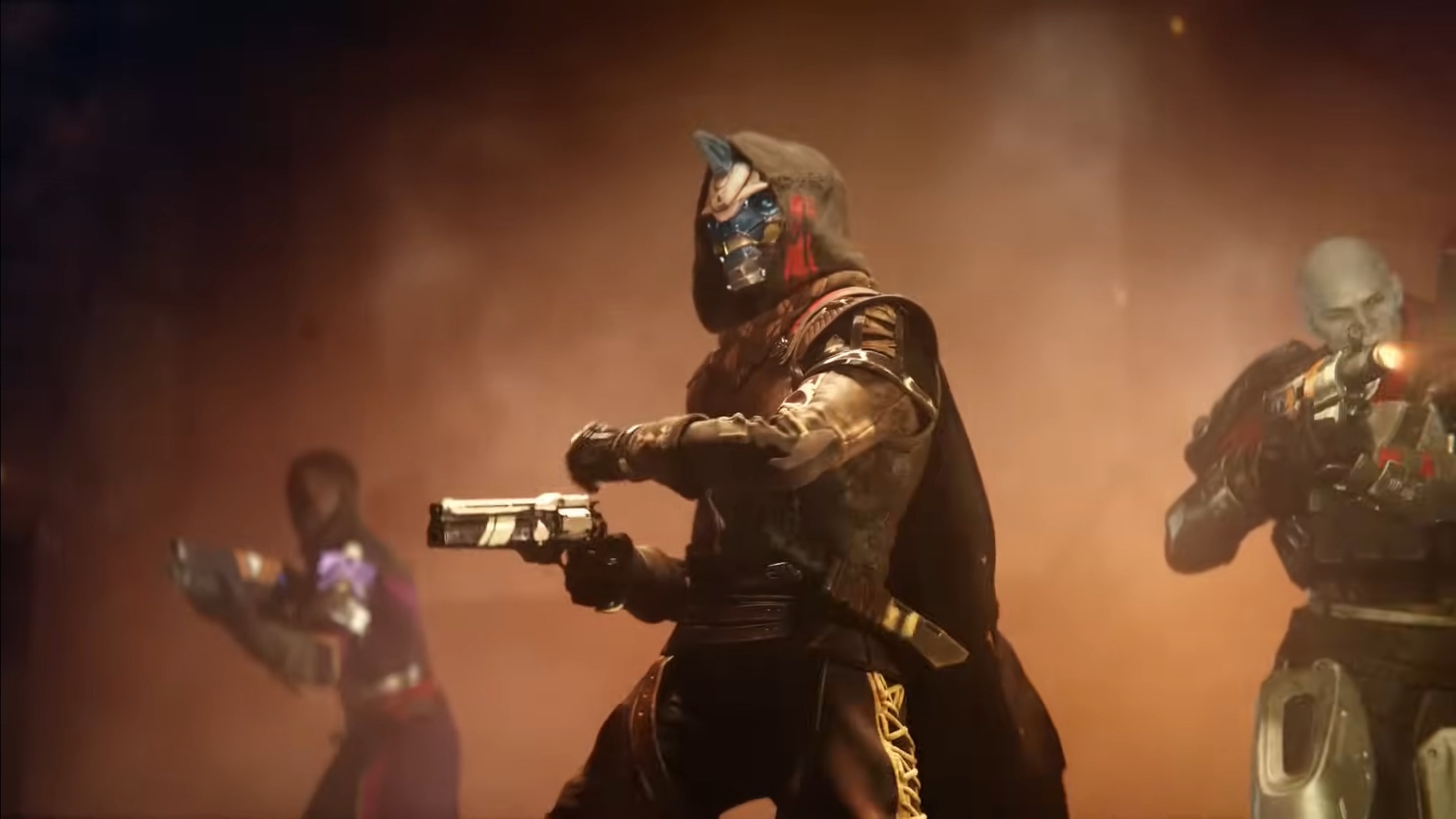
Bungie made some of the greatest games ever created. That is not up for debate. But on May 21, 2026, the studio posted a message titled “Every End is a New Beginning” and announced that Destiny 2, its flagship game of nearly a decade, would receive its final update on June 9, 2026. After that? No more new content. No Destiny 3 announced. Just a quiet farewell from a studio that once defined what a video game could feel like.
It is a sad moment. But if you have been watching Bungie for the last thirty years, it is not a surprising one.
How It All Started: A Studio That Could Do No Wrong
Bungie was founded in 1991 in Chicago by two university students: Alex Seropian and Jason Jones. They started very small. Their first game, Gnop, was a free Pong clone. A few people liked it enough to send the developer $15 just for the source code.
From those humble beginnings, something remarkable grew. Through the 1990s, Bungie built a reputation as one of the most creative studios in gaming. Their Marathon series… yes, the same name as the struggling game today, was a groundbreaking sci-fi shooter for Mac computers. Then came Myth, a strategic combat game that blew players away. Bungie had a gift. Their games felt different. Deeper. More alive. They told stories that left more questions unanswered than answered, and players loved that.
Then came Halo.
In 1999, Bungie announced a game called Halo: Combat Evolved. It was originally planned for Mac and Windows computers. Steve Jobs himself showed it off at a keynote. Then, in June 2000, Microsoft saw it and bought the entire company. Just like that.
Halo became the launch title for the original Xbox. It became one of the best-selling games in history. It defined a console. It made Xbox a household name. Halo was everywhere. In living rooms, college dorms, and gaming tournaments. Bungie had created something truly special.
And then they walked away from it.
The First Pattern: Walk Away at the Peak
In 2007, Bungie split from Microsoft. Voluntarily. They wanted their independence back. Microsoft kept the Halo franchise, the billion-dollar franchise Bungie had built from scratch, and Bungie walked out the door as a free studio.
Think about that for a moment. They gave up Halo.
Some people admired this. It showed that Bungie valued creative freedom over money. But it also showed a pattern that would repeat itself. Bungie was great at building something extraordinary. Less great at holding onto it.
They signed a publishing deal with Activision in 2010 and spent years building their next big idea. It was called Destiny.
Destiny: Lightning in a Bottle, Twice
Destiny launched in 2014. It was unlike anything else. A shared-world shooter where you and your friends could explore alien planets, raid ancient vaults together, and earn gear that felt genuinely rewarding. The gameplay, the feel of a gun in your hand, the way your character moved, was some of the best ever designed.
Destiny 1 had problems. The story was confusing. The content felt thin. Players complained loudly. Bungie spent years patching, expanding, and rebuilding trust.
Then in 2017, Destiny 2 launched. For a while, it was wonderful. Expansions like Forsaken, Shadowkeep, and eventually The Final Shape brought real emotional storytelling and some of the most exciting gameplay in the genre. The community loved it. The numbers were strong.
The cracks were already forming underneath.
When Things Began to Fall Apart
In 2019, Bungie ended its deal with Activision and became its own publisher. Big, bold move. Then in 2022 Sony, the company behind PlayStation, acquired Bungie for $3.6 billion. The plan was clear: Sony wanted Bungie to help them build successful live-service games. Games that keep players coming back every week, spending money over years.
It did not go as planned.
The 2023 expansion Lightfall was a disaster. Critics found the story confusing. Players felt let down after years of buildup. Bungie missed its revenue target that year by a staggering 45%. Sony wasn’t happy. PlayStation’s chairman publicly demanded more “accountability” from Bungie’s leadership.
Then came the layoffs. In October 2023, Bungie cut around 100 jobs. Less than a year later, in July 2024, they cut 220 more. Roughly 17% of their entire staff. An additional 155 employees were quietly moved over to Sony. A studio that had around 1,600 people at its peak was now down to approximately 850.
Leadership collapsed too. CEO Pete Parsons, who had been there through the Microsoft and Activision eras, departed. Key creative leaders left. Employee morale was described in reports as being in “free fall.”
Sony had paid $3.6 billion for Bungie. They would eventually write off $765 million of that value.
Marathon: The Game That Was Supposed to Save Everything
While Destiny 2 struggled, Bungie was quietly building something “new”. Marathon, another name from their past, was reborn as a competitive multiplayer “extraction shooter” where teams fight to escape with loot and survive against other players. It launched in 2025.
Before it arrived, scandal hit. Bungie was accused of plagiarizing artwork from an independent designer. Sony paused Marathon’s entire marketing campaign. It was a humiliating moment for a studio already fighting to rebuild trust. Especially since they had a copyright lawsuit going on Destiny’s side.
Marathon launched to positive reviews. The gameplay was good, because Bungie’s core talent for making games feel right had never gone away. But the players didn’t come. The numbers were poor. Far lower than Destiny 2, a much older game. As of today, more of Bungie’s developers are working on Marathon than on Destiny 2, yet it’s still bleeding players.
Destiny Mobile: Not the Answer Either
There’s also a mobile game in the Destiny universe. Destiny: Rising, developed by the company NetEase (not Bungie directly), launched in August 2025. It earned around $9 million in its first 20 days. Sounds good until you learn that Diablo Immortal, a comparable mobile game, earned $39 million in a similar window. Analysts called the numbers “modest.” Expensive game, modest returns.
Within three months, daily revenue had fallen from a peak of $319,000 per day down to just $25,000. A 92% drop. The second season under-delivered. Players complained about a lack of new content. In March 2026, the game was essentially rebooted. Fans called it “Destiny: Rising 2.0”. It has major changes to its payment systems. It is too early to tell if those changes will save it.
Destiny: Rising is not profitable enough to rescue the Bungie brand.
The End of Destiny 2
Which brings us back to June 9, 2026. The final update arrives. It is called Monument of Triumph, and Bungie promises it will bring new story content and make the game welcoming for returning players. After that, Destiny 2 will remain online. The servers will stay up, just like the original Destiny’s servers are still running today. No new content will ever come.
No Destiny 3 has been announced. Bungie has said they are “incubating” future games, but that language is corporate and vague. It means: we do not know yet. We are figuring it out. Or: we know and we don’t want to piss you off… yet.
Meanwhile, Destiny 2 had lost 97% of its active playerbase over the two years before this announcement. The community that remained was passionate, but it was small. The game that once had millions of daily players had quietly faded.
What Happens to Bungie Now?
Here is the honest picture. Bungie is being absorbed into Sony’s PlayStation organization. Slowly, department by department. Marketing. HR. Legal. Publishing. They are no longer an independent studio in any meaningful sense. Sony has confirmed this, saying Bungie’s independence is “getting lighter.” The goal is for Bungie to eventually become part of PlayStation Studios, like Naughty Dog or Santa Monica Studio.
Some remaining employees will likely move to other PlayStation projects. Others may face more layoffs as Destiny 2 winds down and Marathon’s needs are evaluated.
In February 2026, Sony closed Bluepoint Games, a beloved studio famous for beautifully remastering classic games, with 70 layoffs. No studio inside Sony’s portfolio feels untouchable right now. If Marathon cannot grow its playerbase meaningfully, it would not be surprising to see Sony wind that down too and move the talent elsewhere.
What About the People?
This is the part that gets lost in the business analysis. There are hundreds of talented, hardworking people at Bungie who made extraordinary things. The designers who built Destiny’s combat. The artists who made alien worlds feel real. The writers who made players genuinely feel something during The Final Shape’s ending.
These people are now looking at an uncertain future. Having worked at a studio going through this kind of public, very documented decline is not easy to explain in job interviews. Even if you personally did excellent work.
The games industry broadly understands that studio failure is often a leadership problem, not a talent problem. The developers who came out of 38 Studios, another famous collapse, went on to work at respected companies afterward. Bungie’s gameplay engineers and combat designers will likely be in demand. The people who made Destiny feel the way it does? Other studios will want them.
But it is still hard. And they deserve acknowledgement for what they built.
A Pattern Three Decades in the Making
Here is what makes Bungie’s story so interesting and painful.
They didn’t fail because they lacked talent. They failed because of a pattern that has repeated itself for thirty years. Build something brilliant. Struggle to sustain it financially. Get acquired. Walk away, or get absorbed. Start over.
Marathon in the 1990s. Myth. Then Halo, handed to Microsoft, eventually given to 343 Industries. Then Destiny, handed over to Sony, slowly wound down. And in the middle of all of it: the ill-fated project “Payback,” a Destiny spin-off that was canceled before anyone outside the studio ever saw it. And the cancelled art-inspired incubation project that was quietly spun out before it could go anywhere meaningful.
The tragedy is not that Bungie made bad games. The tragedy is that they were never able to build the kind of financial foundation that would let their good games keep being great for a long time.
Ambition without discipline. Creativity without sustainability. It is a painful combination.
Is the Bungie Name Worth Saving?
This is a fair question. And honestly, it might not be.
Think about BioWare, the studio behind Mass Effect and Dragon Age. Years of disappointing follow-ups to beloved games have worn fans down. Many Mass Effect fans are tired of caring. Tired of hoping. Tired of defending a brand that keeps letting them down.
Bungie fans know that feeling. Many believe that Destiny 2’s slow decline was directly caused by the studio shifting focus and energy toward building Marathon. If that is true, and the timeline supports it, then Bungie sacrificed one great game to build another that nobody came to play.
Would players trust a new Bungie game? The ones who loved Destiny 1 might. Nostalgia is powerful. But nostalgia has limits. And Bungie has spent a lot of it.
Sony might be better served simply absorbing the talent quietly, without putting the Bungie name on anything new for a while. Let the brand breathe. Let the hurt fade. Maybe, years from now, there is a path back. Or maybe the name retires. That is okay too. The people who made those games will keep making great things, whatever studio name appears on the box.
A Sincere Goodbye
Destiny 2 shaped a lot of lives. Real friendships were made through clan raids. Real memories were created in dark, difficult moments when a game offered a few hours of escape. For all its problems, Destiny built something rare. A community that genuinely cared about each other.
That matters.
Bungie built something extraordinary. Multiple times. The fact that they could not hold onto it is a business failure, not a creative one. And the people who poured their hearts into these games, players and developers alike, deserved better from the decisions made at the top.
Whatever comes next for Bungie, or for the people who once called it home… I hope it’s something good.
They’ve more than earned it.