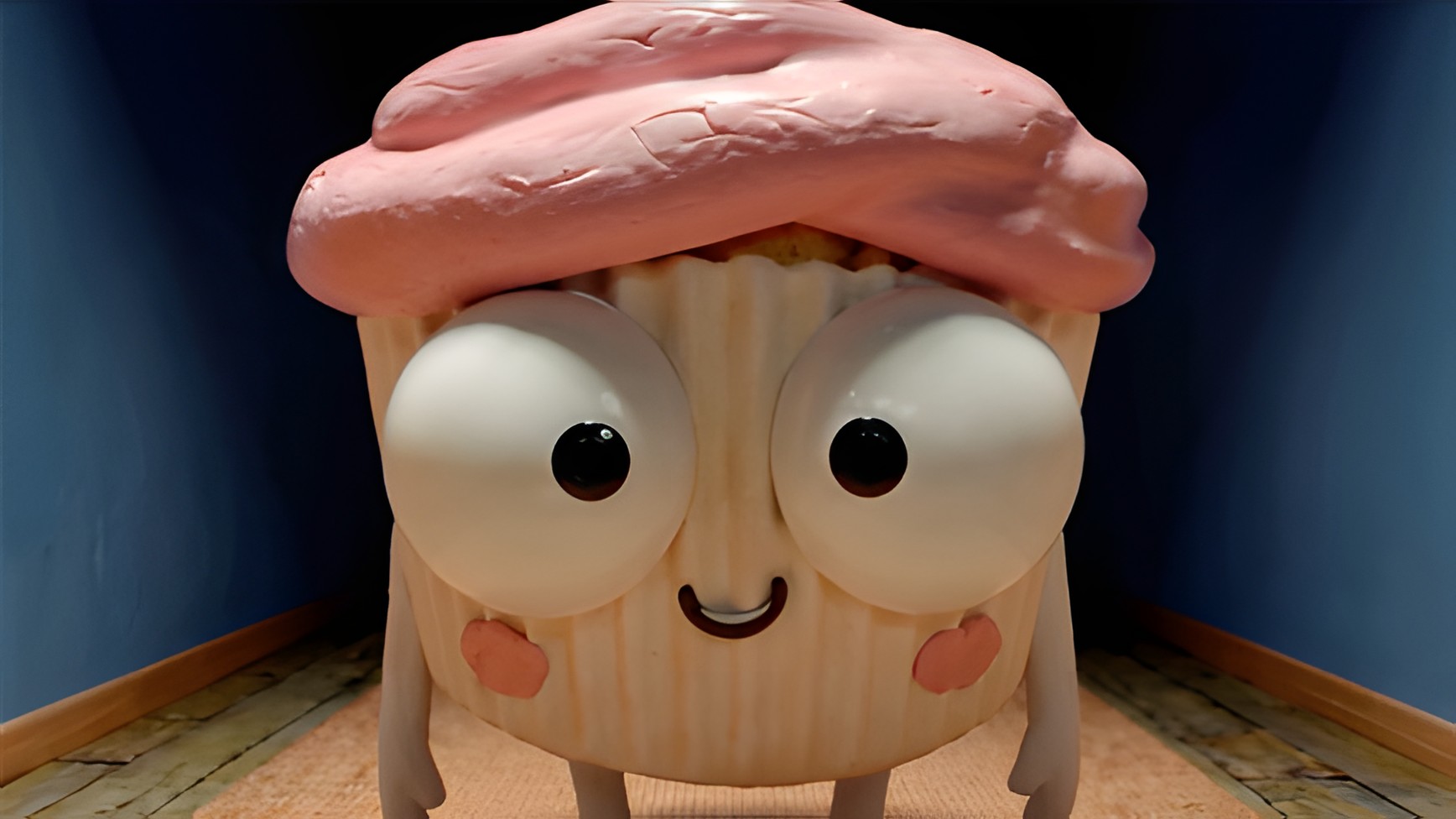
Cuppy is a small, aggressively optimistic pink cupcake who loves to give people life advice. She has over 2 million followers on Instagram, merchandise ranging from T-shirts sold at Hot Topic to adorable plushies, books. At one point, Cuppy was an internet phenomenon.
Now, BuzzFeed is licensing the character for Amazon to use in an AI-generated animated series for Amazon Prime. And this is all being done without the blessing or consent of Cuppy’s creator Loryn Brantz.
Unfortunately for Brantz, BuzzFeed is within its legal rights to do this. Many animation fans argue that BuzzFeed shouldn’t have any rights to the IP since AI-generated works don’t qualify for copyright protection. But copyright and owning an IP are two completely different things that are governed by different sets of laws.
Let’s Go Back to the Beginning
Brantz created Cuppy while she was working for BuzzFeed as an illustrator and writer. She was also working on her own original works and sharing them on social media.
Originally, Cuppy was created as a pitch for a children’s book. When a Disney publishing imprint passed on the character, Brantz brought Cuppy to life in her web comics. The character went viral in 2017 for her almost violent insistence that everyone should “make life their bitch.”
Cuppy caught the attention of Zee Myers, head of BuzzFeed’s Media Labs division. In 2018, the two decided to turn the character into a brand. Animator Kyra Kupetsky joined the team and brought Cuppy to life as an animated web series called The Good Advice Cupcake. An introverted, self-deprecating pink-frosted cupcake handing out advice that subverts stereotypes about feminity resonated with millions of people online.
Brantz mentioned in an interview with WIRED that that Cuppy is based on her own personality. “It was a way for me to yell motivational advice at people in a cute and humorous way.”
Cupcake & Friends
On May 27, 2026, Amazon announced they greenlit three projects selected for its GenAI Creators’ Fund. Funded by Amazon MGM Studios and Amazon Web Services (AWS), the joint initiative gives creators access to professional-grade AI tools and funding.
One of the first projects from the fund is Cupcake & Friends, with a tagline stating it’s about the “hilarious and thrilling challenges” Cuppy and her friends face during a sleepover. It’s developed by BuzzFeed Studios using Project Nara, an AI production tool that’s exclusive to Amazon MGM Studios and the creators chosen for the GenAI Creators’ Fund.
Brantz says she found out about BuzzFeed’s deal with Amazon from rumors spreading around the industry and writers approaching her about writing Cuppy scripts. She went straight to BuzzFeed CEO Jonah Peretti, but he refused to share any details unless she was signed an NDA, which she refused.
“I am horrified and disgusted by BuzzFeed taking my character, The Good Advice Cupcake, and giving it to an AI platform.” She wrote on Instagram, describing the idea of Cuppy becoming a “soulless AI puppet” as feeling like “having my intestines pulled out of my body.”
“My time at BuzzFeed was marked by continually being taken advantage of and lied to, Brantz continued. “They repeatedly assured me in good faith that they would never do anything with Cuppy without my input, yet offered me no legal options, insisting I would never need them.”
Peretti’s response was brief and firm. Brantz’s “personal opposition to AI cannot determine how BuzzFeed develops IP that it owns,” he said in a statement.
And he’s right. It sucks but he does have a point.
Why BuzzFeed Can Do This
When the news broke, many animation fans assumed that because AI-generated content can’t be copyrighted, BuzzFeed couldn’t “own” the new show. But that logic confuses two separate concepts.
BuzzFeed’s right to make Cupcake & Friends has nothing to do with the ability to copyright aspects of the new show. Brantz created Cuppy while she was a full-time BuzzFeed employee. Under work-for-hire law, which are standard in the US and most other countries, creative work made by an employee during their employment automatically belongs to the employer. The company, not to the person who came up with the idea in the first place, has the legal rights.
BuzzFeed owns Cuppy. They can license the character, create derivative works without asking Brantz for her permission.
The fact that Cupcake & Friends will be made with AI does create a separate issue. The US Copyright Office has made it clear that AI-generated material, produced without meaningful human creative input, can’t be copyrighted. ANY media created with AI is considered fair use or part of the public domain. So even though BuzzFeed controls who can use Cuppy, but can’t really protect the new content they create with her.
That’s actually pretty ironic. By making Cupcake & Friends with AI, BuzzFeed will have a hard time blocking people from reuploading the series online. But it doesn’t affect their right to make it in the first place.
What the Law Can’t Answer
While BuzzFeed’s decision to go forward with their animation deal with Amazon is legal, whether any of this is right is separate debate.
Brantz isn’t just upset about the series being made with AI. Cuppy is a character inspired by pieces of Brantz, from her personality to her beliefs. And it’s being handed to a machine without her involvement and against her wishes. The promises BuzzFeed apparently made to her were worth nothing, adding to her feelings of betrayal. Brantz told WIRED she’s looking into her legal options, but admitted she isn’t feeling “as optimistic as usual.”
She’s also calling for a boycott of BuzzFeed and “any AI-produced or adjacent animation.” Whether that gains any traction remains to be seen.
What Brantz is going through is something the animation and creative industries are reckoning with. The rise of generative AI has made creatives anxious that it won’t be long until there won’t be a need for human-made animation.
But the situation with BuzzFeed and Brantz exposes a problem that doesn’t get enough attention. When a company owns something a person created at work, what does the creator get in the end? Credit, sometimes. A salary while it lasted. And eventually, a front-row seat to watch someone else take over your passion project without any consideration or the ability to give your two cents.