When Capcom started remaking its classic Resident Evil games, fans had a very important question: are these remakes canon? The answer is yes, the remakes are…sort of. The way Capcom handles it can get very complicated.
Both Games Exist Simultaneously
Years ago, a Brazilian Resident Evil fan site interviewed Capcom’s then-head producer Peter Fabiano. One of the questions asked was about where the remakes fit into the official timeline:
“What is the canon of these new versions of RE2 and now RE3? Do these games replace the events of the original games in the official canon timeline?”
Fabiano’s answer was interesting. “They all exist at the same time.”
What that means is that both the original games and the remakes are considered part of the official canon. Think of them as different accounts of what’s happening in the Resident Evil universe. Important events like the viral outbreak at the Spencer Mansion, the destruction of Raccoon City, or Leon’s mission in Spain still happened. It’s just that certain details are altered, expanded upon, or removed.
The Resident Evil Wiki uses the term “soft-canon” to describe where the remakes fit into the timeline. New lore, characters, and story details may be used as a bridge to connect the remakes to current or future games, but the original continuity hasn’t been erased.
The “Broad Strokes” Rule
Also, it’s worth noting that Capcom never laid out a strict sequence of events of what actually happened. There’s a general outline that stays consistent, but the exact details of how those moments unfold are left open to interpretation.
For example, in both the original Resident Evil 2 and its 2019 remake, we know that Leon meets Ada, Leon and Claire both encounter Mr. X, and Claire, Leon and Sherry all escape Raccoon City alive. But if you want to know who killed the Tyrant, the answer varies.
In the original, the final boss split between Leon and Claire based on the A and B campaigns. In the remake, Claire’s run ends with Birkin destroying Mr. X on the train, while Leon faces Mr. X as his final encounter. Both can’t be true at the same time, but in both cases, the Tyrant is destroyed and the three of them escape. The outcome is canon, regardless of how we got there.
When the Details Change, Does It Matter?
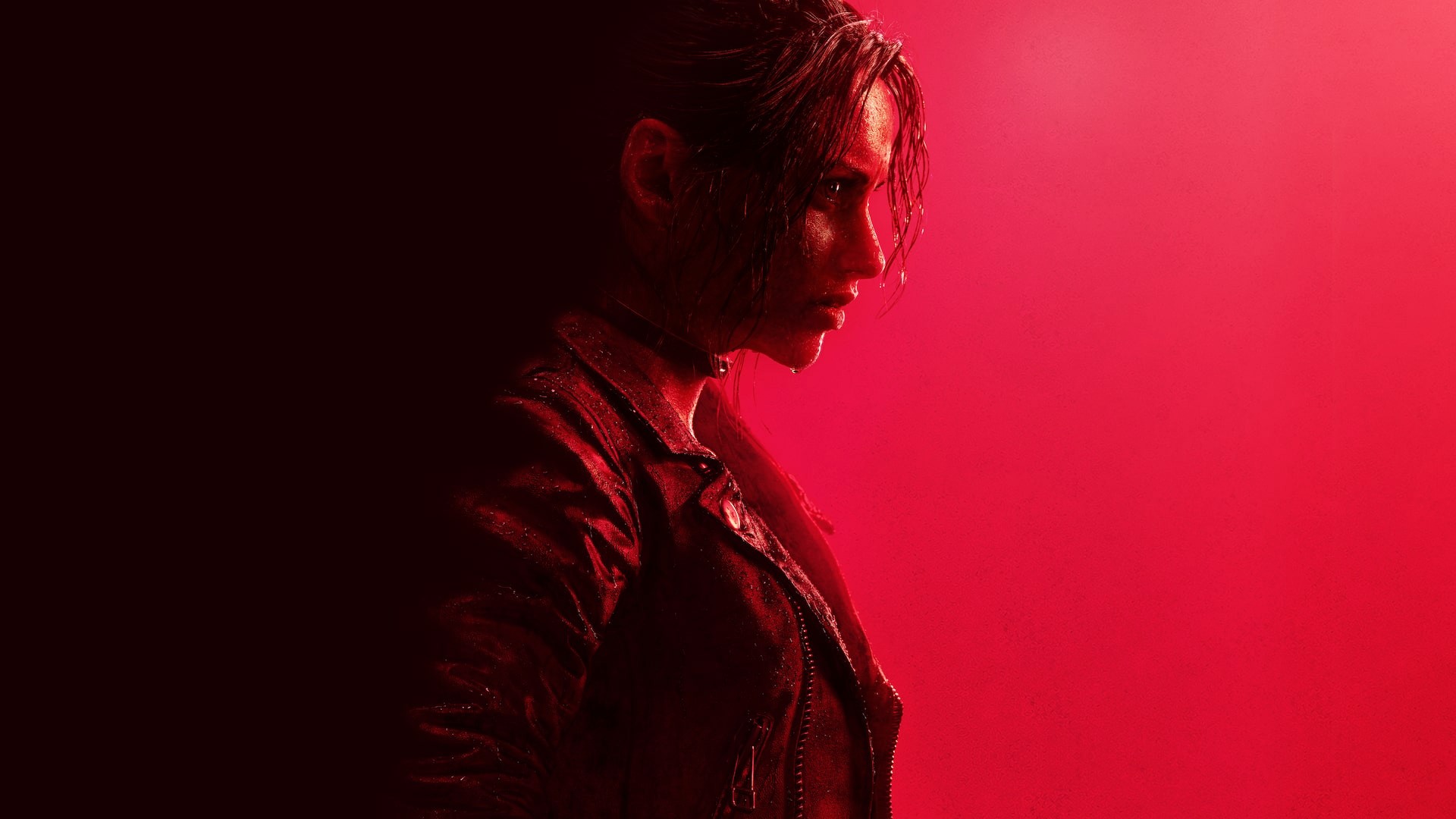
The upcoming Resident Evil Veronica was announced at Summer Game Fest 2026 for a 2027 release. Based on what we’ve seen in the announcement trailer, how Claire Redfield is introduced to players has changed.
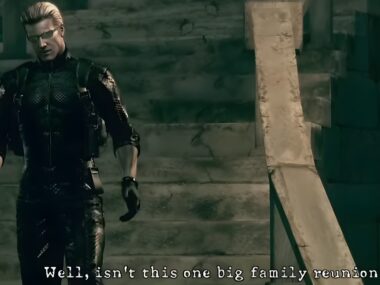
In the original Code: Veronica, Claire opens the game by storming an Umbrella facility in Paris guns blazing, gets captured after a firefight, and is shipped to Rockfort Island. The remake shows Claire visiting what appears to be Chris’s apartment in Paris while searching for her missing brother, only to be ambushed by HUNK, a legendary mercenary and Umbrella operative. In the original, HUNK had a connection to Rockfort Island, but it wasn’t tied to Claire’s story.
It’s an interesting change in how Claire is captured, but the outcome of her being sent to Rockfort Island, dealing with the Ashford siblings, and reuniting with Chris will probably stay the same.
What fans are curious to see is how Resident Evil Veronica will connect to Resident Evil 9: Requiem, the most recent entry that was released earlier this year. If there is a meaningful link to Requiem, it could reframe how the events of Code Veronica affect the series and what direction future games are heading.
For now, the best way to think about Capcom’s approach to canon is that the events happened in the way you remember and the main characters were there. Everything else is subject to change.
Resident Evil Veronica is set for a 2027 release for PlayStation 5, Xbox Series X|S, Nintendo Switch 2, and PC.