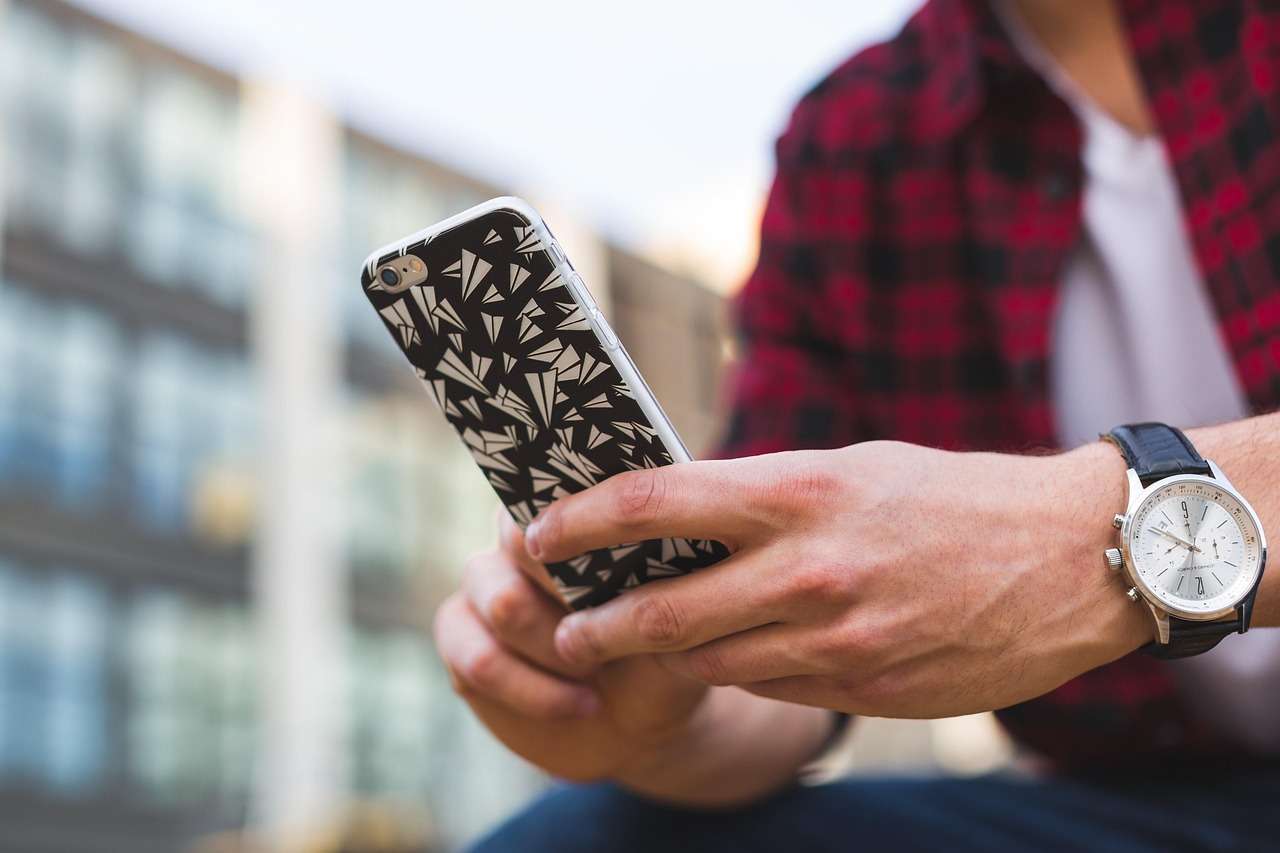
As I was texting one of my friends, they asked me if she seemed upset based on what she wrote. I re-read it and upset was not what came to mind. I know her well enough to get the gist of what she’s saying.
I sympathize with her though. Most forms of communication is non-verbal. Written communication like texting or sending emails strips away a huge chunk of how we communicate with each other. No vocal tone. No facial expressions. No body language. Just words on a screen.
When someone reads your texts, they’re filling in all those missing pieces themselves. And they’re doing it based on their own mood, their relationship with you, and whatever assumptions they have for that day.
That’s probably why emojis are so popular. They help add emotional cues that text alone doesn’t have. I learned through experience to use emojis to help emphasize emotions. The truth is, when I am upset I’m silent.
My Little Experiment
I noticed that people would assume I was upset when I said things like “I don’t like it”, “that’s crap”, cursing… things that don’t necessarily “imply” anger. So today since I’m in a good mood, I decided to run a little experiment.
I sent out texts to several friends to see their reactions. Then, I reached out to different people I interact with online but don’t really “know” me. None of the texts had emojis, extra exclamation points or explanations. I gave blunt, honest commentary on the various topics we’d been discussing.
Three Types of Reactions
The responses I got were very telling. I noticed there are a couple of reactions you receive when someone thinks you’re “upset”:
Apologetic – assuming they made you upset even though they aren’t sure how, but want to apologize immediately.
Fixers – they “think” they did something wrong and attempt to fix it without admitting they did something wrong.
Avoiders – they ride the storm and wait until you cool off, then they can avoid the issue all together or bring it up when they feel it’s “safe”.
Some were Apologetic, apologizing but not understanding why I am upset (which is sweet really). The Fixers were trying to get out of “trouble” without admitting they messed up, which is good because they didn’t mess up. The Avoiders responded to me but not about our initial conversation… like trying to change the subject.
Odd isn’t it?
What Actually Happens When I’m Upset
What I find particularly amusing is when I am upset I don’t say anything at all or I’ll respond with something like “I have to think about this a bit. I’ll get back to you…”.
That’s my signal. Silence or delay. Not aggression.
I’ve learned that expressing a clear opinion, stating a preference, or offering honest feedback gets read as me being emotional if I don’t present it correctly.
Why This Is Important
Here’s what I find interesting about this pattern. When text lacks emotional or visual cues, people start to project. And when you communicate directly without softening your language or adding emojis or stickers for context, that projection can escalate what’s actually a simple conversation into something more dramatic.
Think about how different these two messages feel:
“I don’t think your idea will work.”
“I don’t think your idea will work. But it’s definitely worth trying. Good luck! 🙂”
Same message, different meaning. The second one acts as a signal that says “I’m not attacking you, we’re still good.”
There’s this strange dynamic where being straightforward in text requires a disclaimer. Where being efficient with words gets read as being cold or angry.
So what’s the solution here? I’m not saying that everyone needs to inject gifts or stickers into everything they write. Instead, I’m suggesting that we need to get better at reading text for what it’s actually saying. Not what we assume the subtext must be. Ask questions if you’re unsure about tone. Don’t apologize for things you didn’t do or try to fix problems that don’t exist.
If you’re the one writing? Be aware that your words are going out into the world without your facial expressions attached. Sometimes adding that extra context (“I’m not upset, just sharing my thoughts here”) or that strategically placed emoji can save everyone a lot of unnecessary anxiety.
📌 Changelog
- December 9, 2025: Changed the formatting and re-wrote some sections to improve the flow.
- February 19, 2006: Date article was originally published.