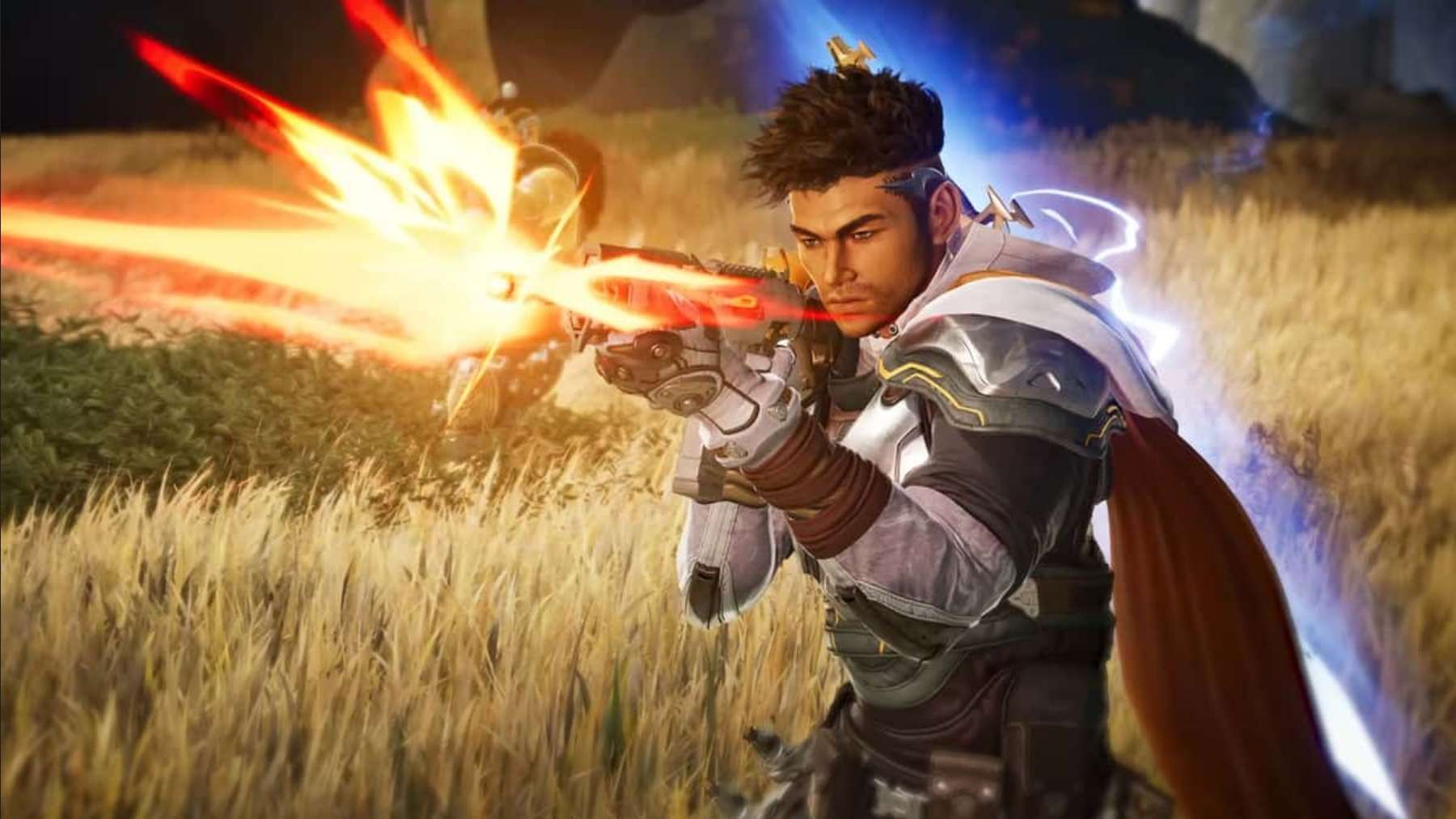
Wildlight Entertainment’s free‑to‑play hero shooter Highguard premiered with every advantage most new games can only dream of. It was made by a team full of former Apex Legends devs. It was announced during The Game Awards 2025 in the coveted final reveal slot. Close to 100,000 concurrent players on Steam at launch plus roughly a million downloads overall. Lots of people were curious enough to give it a try, which is a small miracle in 2026’s live‑service hellscape.
Yet within a week, its player base collapsed by more than 95%, concurrents dropped to the low thousands. Two weeks after launch, Wildlight laid off most of the team working on it because there simply wasn’t a big enough audience to justify keeping the thing alive at full scale.
One dev’s fiery response
Former Lead Tech Artist for Highguard Josh Sobel published a since deleted rant on X/Twitter where he blames the game’s failure on toxic gamer culture. He accused content creators of encouraging negative coverage of Highguard to generate engagement.
“The trailer came out, and it was all downhill from there. Content creators love to point out the bias in folks who give positive previews after being flown out for an event, but ignore the fact that when their negative-leaning content gets 10x the engagement of the positive, they’ve got just as much incentive to lean into a disingenuous direction, whether consciously or not.”
“At launch, we received over 14k review bombs from users with less than an hour of playtime. Many didn’t even finish the required tutorial.”
While Josh acknowledged that Highguard had its issues, he made sure to mention that everyone working on the game loved it. Which meant that any red flags that the game wasn’t ready to ship were ignored. He made it clear that for him, all the blame should be placed on gamers.
“I’m not saying our failure is purely the fault of gamer culture and that the game would have thrived without the negative discourse,” he wrote, “but it absolutely played a role. All products are at the whims of the consumers, and the consumers put absurd amounts of effort into slandering Highguard. And it worked.”
“Gamer culture” as a catch‑all villain
There’s no denying there are parts of gamer culture that are genuinely toxic.
Review bombing is a problem. Some content creators chase outrage because it performs well. Threads spiral into harassment. When you’ve spent years of your life grinding on a project, all while under massive pressure, the wave of negative feedback can be too much to handle.
But let’s not pretend that Highguard was some perfect game that people hated for no reason.
Critics and players who actually took the time to play Highguard all came to the same conclusion: it’s not a disaster, but it’s not the best live-service game out there. PC Gamer gave it a 65% percent rating stating it’s “sanded down until it’s frictionless and bland.”
Others were blunter, describing Highguard as a “what if it’s Apex Legends, but…” built by ex‑Apex devs in a market already crowded with hero shooters. It didn’t have a clear vision that made it different from Apex, or Valorant, or literally anything else. The pacing was off. The maps felt empty. The progression and monetization were grindy, annoying players who are already exhausted by grinds.
Gamer culture didn’t invent those problems, but it did amplify them.
This is why the “blame gamers” reflex feels so draining. Over time, it starts to feel like a pattern of gaslighting. Players show up, in good faith or out of curiosity. They encounter a game that’s half‑baked and they’re not afraid to say so online. And yet, when their honesty is reframed as hostility, it leaves players wondering what’s even the point of caring in the first place.
What a healthier response to backlash could look like
I don’t think the answer is to tell devs to “shut up and take it.”
But the people making these games need to be honest with themselves, which means admitting to making mistakes. Crying on social media about your audience being toxic isn’t going to get you very far. It doesn’t help studios make better decisions or help players feel heard. It just encourages everyone to double down on their respective opinions.
It would have been better if Josh had said “We made a game that didn’t live up to the hype we were creating around Highguard. Decisions regarding pacing, maps, monetization, among other issues players raised made the game unenjoyable to play which is not what we intended. Here’s what we’re going to change to make Highguard better.”
That kind of statement focuses on what’s important. The game sucks, our bad, let’s make it right. It sends a signal that real problems will be addressed and improved upon. The hate would’ve died down while everyone moves on to something else, giving the devs a break.
Highguard won’t be the last live‑service game to crash and burn. The question is whether the next team that goes through this will look at the crater it leaves and see a mob of hostile strangers, or a map of avoidable mistakes.