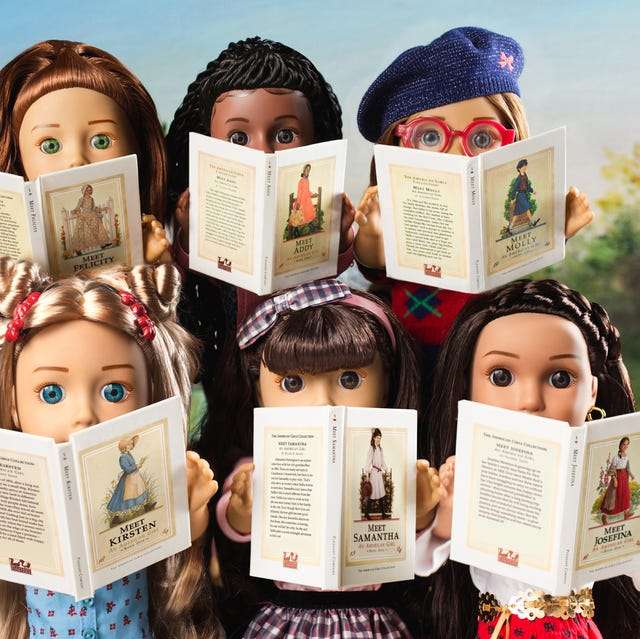
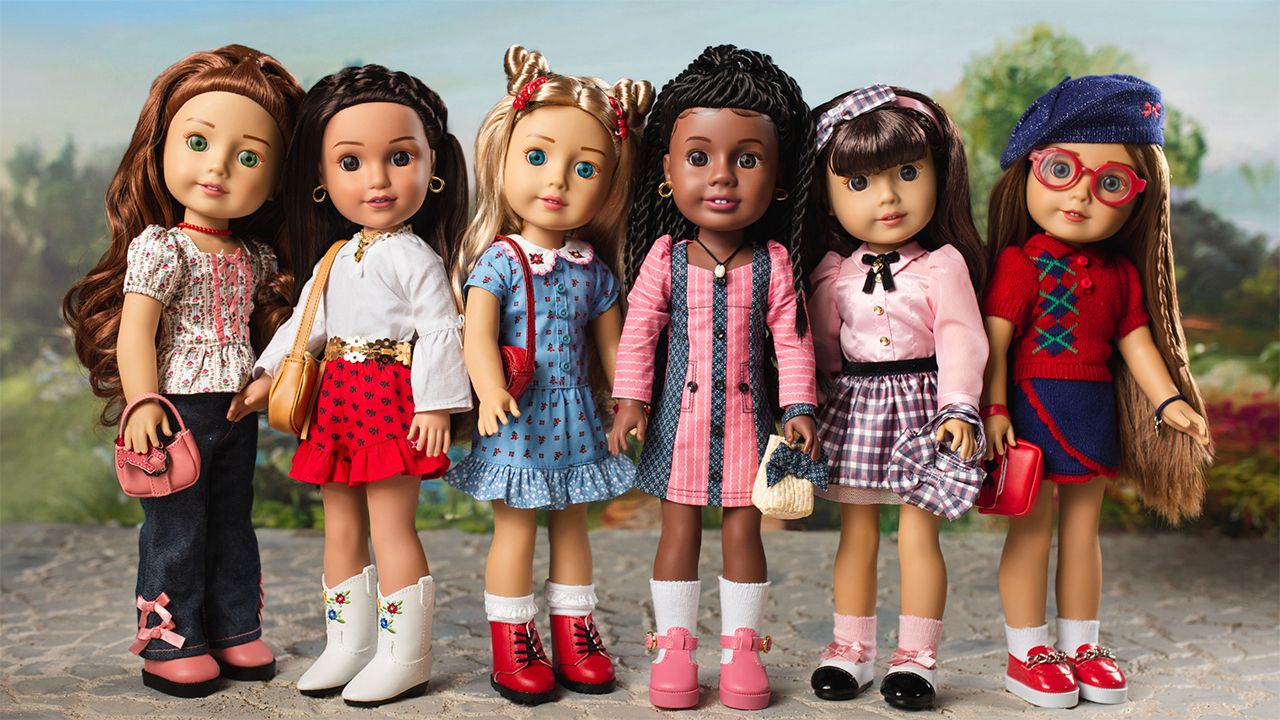
Toy company American Girl just announced their Modern Era Collection for their 40th anniversary. The original dolls from the Historical Characters line Felicity, Addy, Molly, Kirsten, Samantha, and Josefina have been reimagined with contemporary outfits, modern accessories, and a smaller 14.5-inch frame. Each doll sells for $90 and ships by May 1.
The response from longtime fans has been brutal. Comments like “this ruins the whole point of the historical dolls” flooded social media within hours of the announcement. And they’re not wrong.
American Girl Was Different From the Other one Dolls
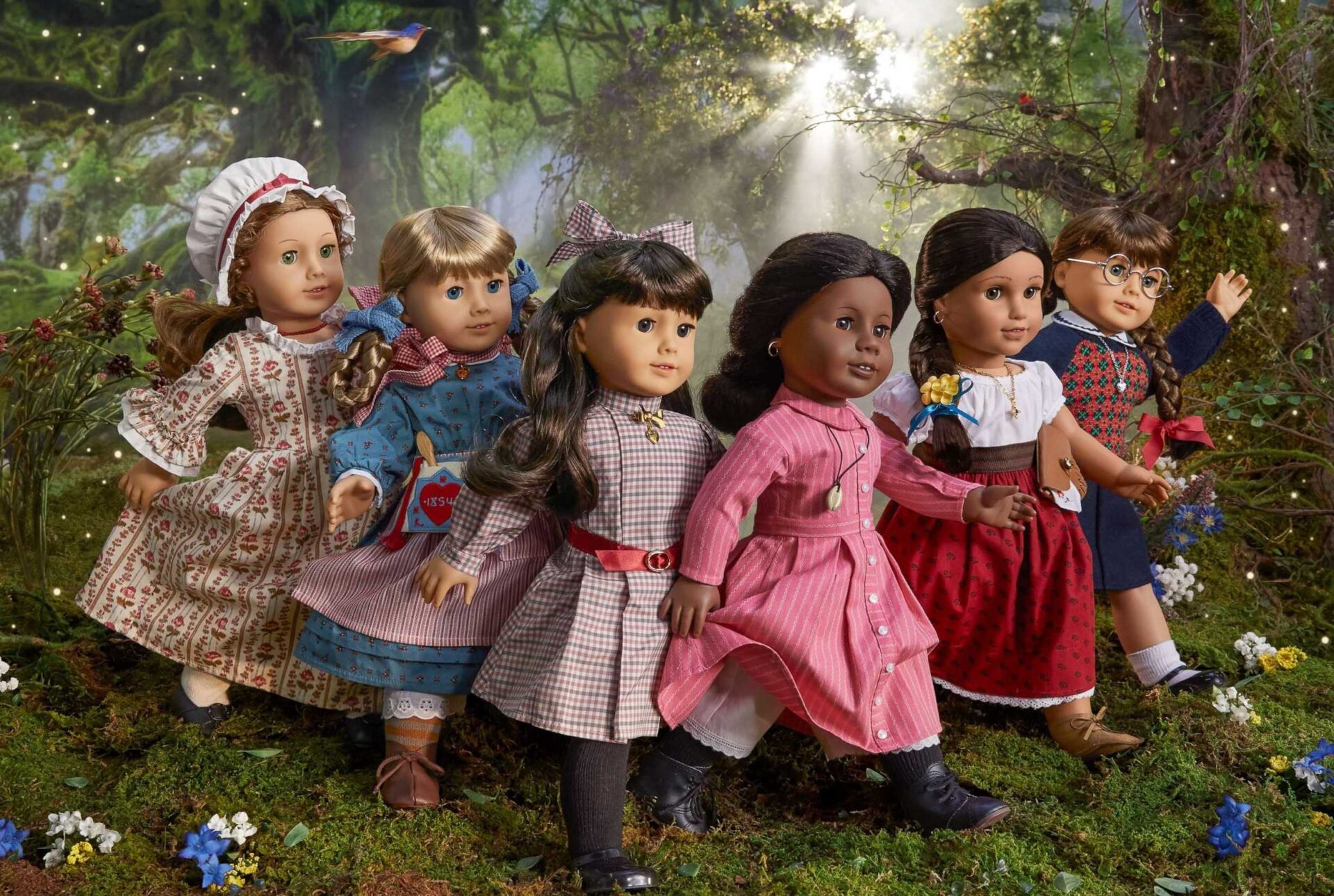
Pleasant Rowland founded American Girl in 1986 with a specific mission. She wanted to create a line of dolls that taught girls American history through the perspective of a girl living in a certain time period. Each character came with a six-book series that explored what life was actually like during their era. The dolls wore historically accurate clothing with accessories that reflected real objects from the time period.
American Girl painted itself as the alternative to fashion dolls that had mature styling and pushed unrealistic beauty standards. Parents paid premium prices because the brand offered something unique. Now the Modern Era Collection looks no different from any other set of dolls available.
“Modern” Dolls Already Exist
What makes this move even more frustrating is that American Girl already sells modern dolls.
The Truly Me line lets kids customize their dolls to look like them. The Girl of the Year line features characters living in the present-day with their own stories to tell. There shouldn’t be a need for the Modern Era Collection because these kinds of dolls are already available for sale. So what’s the point?
American Girl now has three separate categories of modern dolls competing with each other. Meanwhile, the historical line that built the brand is watered down into generic fashion dolls.
The company has struggled with their brand identity after multiple rebrandings (BeForever in 2014, back to Historical Characters in 2019). Adding another collection doesn’t clarify anything. It just muddies the water further.
Mattel’s Influence
Pleasant Rowland sold the company to Mattel in 1998, and the brand has drifted away from its original mission ever since. The emphasis shifted from educating young minds to producing cute looking toys.
From a corporate perspective, the Modern Era Collection makes sense. Redesigning existing characters is easier than creating new ones. Anniversary events generate plenty of buzz on social media. A trendy aesthetic could attract buyers who wouldn’t normally think of buying an American Girl doll.
But those are short-term strategies that undermine long-term brand value. American Girl built customer loyalty by offering something unique. Every decision that makes the brand more generic chips away at that foundation.
What About The Books?
While American Girl was busy redesigning Samantha’s outfit, they forgot about the book series for these characters.
There were originally six single-volume books for each character, following a specific pattern. Meet “X” introduced the character and the time period they’re in. “X” Learns a Lesson are the adventures they have at school. “X’s” Surprise are Christmas stories. Happy Birthday, “X” always takes place during the spring, no matter the character. “X” Saves The Day has the character being helpful to someone during the summer. The final book in the series is titled Changes for “X,” detailing a major change for the character and their environment.
Every book ended with a special chapter that dove deeper into the historical settings the characters lived in. While the books ignored or glossed over more controversial aspects of history, they still served as a starting point if the reader wanted to learn more.
In 2014, American Girl condensed these six books into two volumes with three stories per book. The original format is still available through some retailers, but American Girl isn’t reprinting these stories.
It’s sad because the current generation of young girls would benefit from having these types of books now more than ever. The Historical line could help boost interest in reading in children, as well as teaching aspects of American history they probably wouldn’t learn in schools.
Plus, nostalgia has never been a popular trend for years. There are millennials with disposable income who grew up reading about Addy’s escape from slavery and Molly’s life during World War II. They would absolutely buy complete editions of the original series for their daughters. Or maybe they want to own a copy since their family couldn’t afford it when they were young. But American Girl isn’t interested in that.
Who Are These Dolls For?
The target audience for the Modern Era Collection is unclear.
Kids who want modern dolls can get Truly Me or Girl of the Year. Adults who loved the historical characters want them in their original form, not dressed like they shop at Target. Collectors interested in the 40th anniversary most likely would prefer archival reissues of retired characters.
Maybe American Girl thinks Gen Alpha kids find the historical dolls old-fashioned. If that’s the case, it reveals a misunderstanding of what made the brand work.
Kids don’t need Felicity wearing contemporary fashion to care about the Revolutionary War. The original approach trusted children’s intelligence and curiosity. It assumed they could handle learning about difficult historical periods through age-appropriate storytelling. That’s what separated American Girl from every other doll on the market.
Dumbing down the historical characters to make them “relatable” shows the company no longer believes kids can engage with history unless it’s dressed up in modern clothing. It’s insulting to the kids these dolls are marketed to.
American Girl spent decades building a reputation as the doll company that prioritized education over fashion. Now they’re turning their historical characters into exactly the kind of dolls they were created to replace.
The company says the Modern Era Collection “honors the characters that started it all.” But you don’t honor something by changing what made it meaningful in the first place. You honor it by preserving what made it valuable and trusting that it still matters in the end. American Girl doesn’t seem to believe that anymore. Which is a shame because there’s a kid out there who could benefit from owning an Addy or Josefina doll and their respective book series.