A Game I Enjoy, and a Discomfort I Can’t Ignore
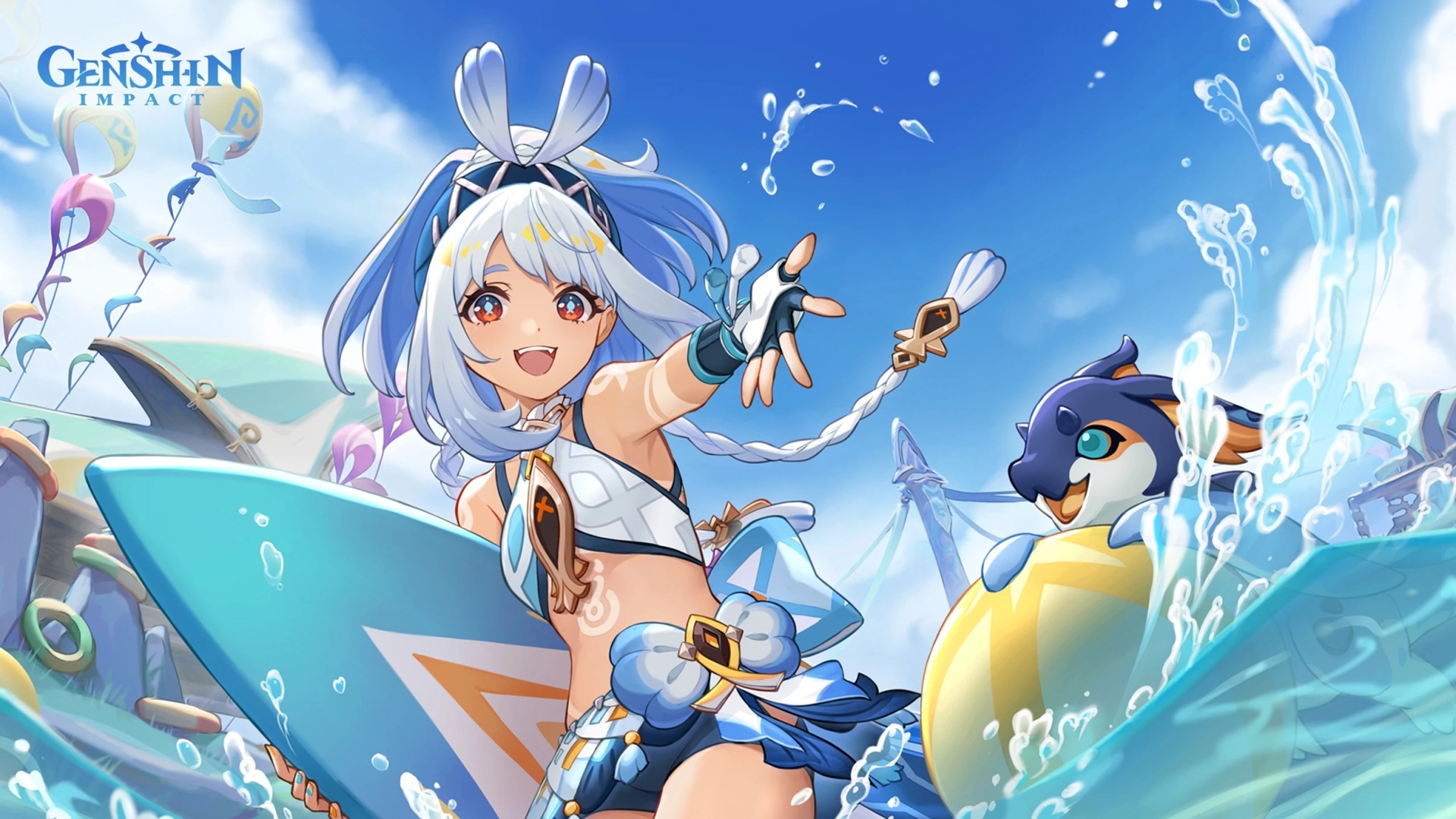
I enjoy adventuring through Genshin Impact. That matters, and I want to start there.
It is a gacha game, but I play it solo. I do not see what other players spend. Their purchases never enter my experience. That separation works. It lets me enjoy the world without feeling pressured or compared. Everyone wins.
They have added more co-op activities over time. I do not participate in them. That is a choice, and the game supports it.
The problem I am having has nothing to do with combat, progression, or monetization.
It is the character design. Specifically, the over-sexualization of female characters.
The longer I play, the harder it is to ignore.
When Character Design Breaks Immersion
Design choices communicate values. Even when they are not meant to.
Genshin Impact makes a very clear distinction between child characters and non-child characters. The game uses specific body models, voices, and writing to signal that difference. That part is consistent.
What feels off is how some female characters are framed once they fall outside the child model category.
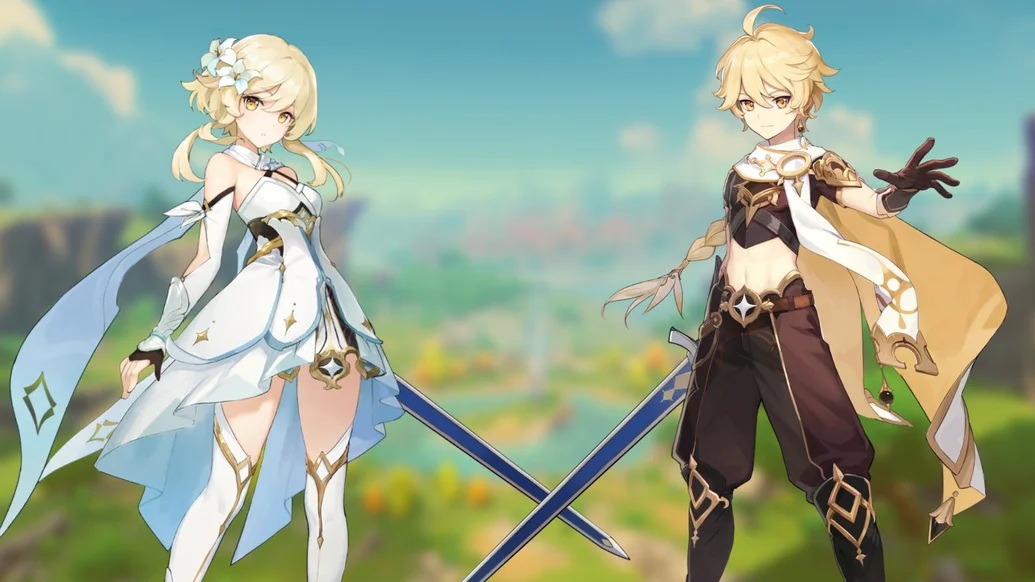
I play as Aether, the male Traveler. He looks like a teenager. His body is deliberately youthful. Slim build. Soft features. That is notable because canonically, he is hundreds of years old.
His twin sister is also hundreds of years old. Her body, however, is designed very differently.
She has fully developed breasts. Clear curves. A silhouette that reads as a young adult. She refers to Aether as her older brother. That dynamic is written as endearing, and it is. But… it raises an uncomfortable question.
Why does the older twin look younger?
This is a design decision. I want to be clear about that. I support developers creating what they are passionate about. This is their world.
That does not mean the impact of that decision disappears.
Lauma and the Escalation of Sexualized Design
The discomfort increased as I continued playing.
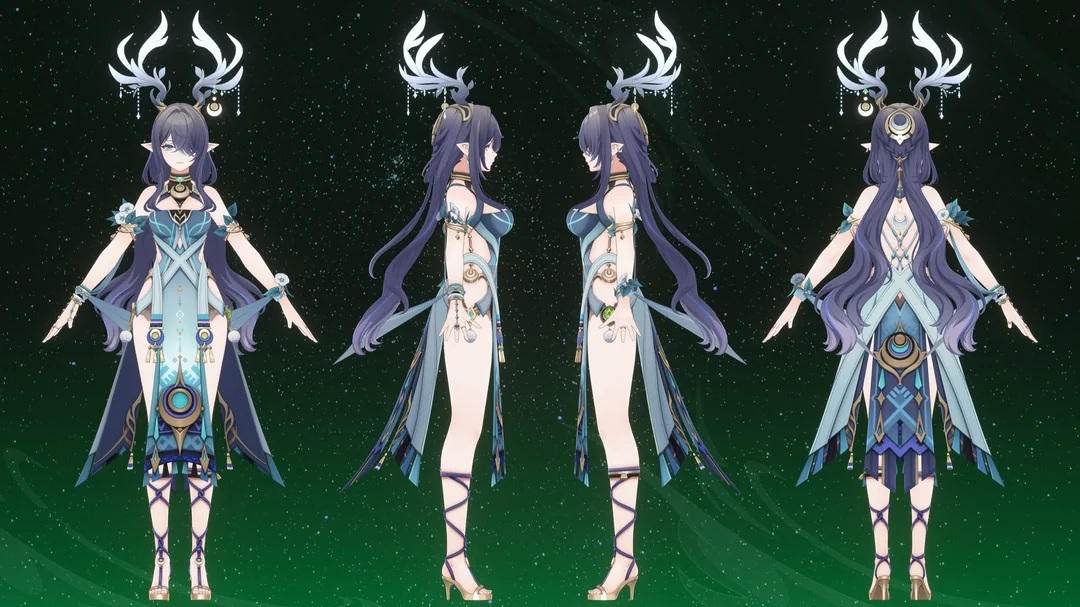
I am currently playing through Lauma’s storyline. From many angles, she appears almost naked. Her outfit leaves large portions of her body exposed. During combat, during dialogue, during major boss fights, she is visually framed in a way that constantly draws attention to her body.
It is immersion breaking.
She is walking into serious, high stakes moments dressed in a way that pulls focus away from the story entirely. I stop thinking about the narrative and start thinking about why this design choice was made.
In the same storyline, Flins is fully dressed.
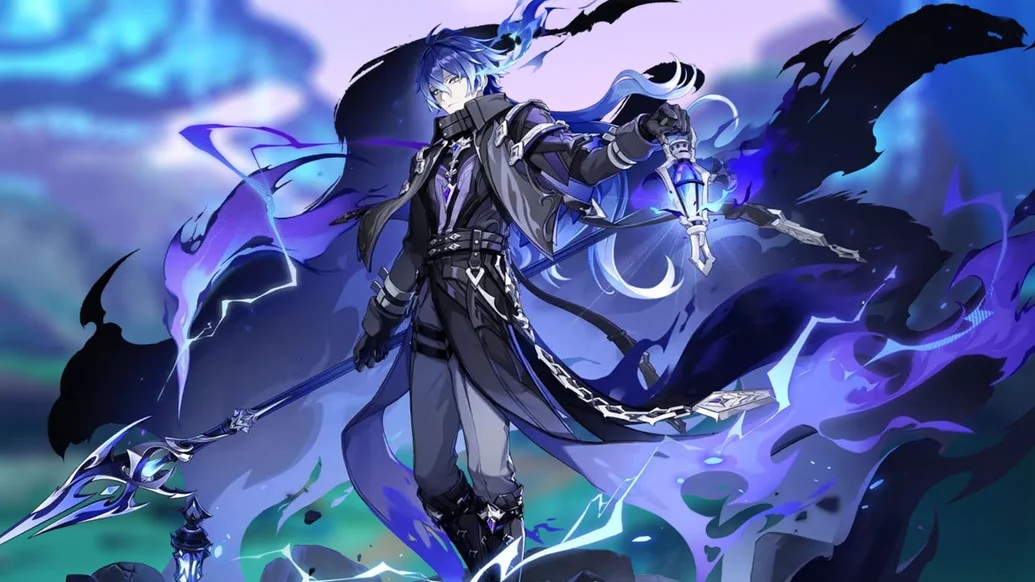
That contrast is not subtle.
Most male characters in Genshin Impact are fully clothed. When they are not, they tend to have youthful or childlike bodies like the male Traveler. Their designs rarely linger on sexual framing in the same way.
Why can’t a female be sexy with her clothes on? In loose fitting clothes?
Over time, this pattern becomes impossible to ignore.
When Sexualization Stops Being Sexy
There is a difference between sensuality and exposure.
I have enough life experience to know that when someone has to strip to be sexy, they usually are not. What is left is not confidence or allure. It is something hollow. Something performative.
In Genshin Impact, some female characters do not read as empowered or alluring to me. They read as objectified. In certain cases, they read as unsettling, especially when combined with youthful facial features or soft, innocent framing.
That combination is the issue.
It is not about prudishness. It is about coherence. It is about respect for the world the game is trying to build.
Social Consequences of Design Choices
This discomfort does not stay contained within the game.
When I mention Genshin Impact to friends, it is rarely a positive experience. One friend told me plainly that it is not a game he feels comfortable playing around kids. He also said he would not feel comfortable playing it around his wife. He liked the combat.
That stuck with me.
If a game is mechanically enjoyable but socially awkward to admit enjoying, something has gone wrong.
How many players quietly walk away because of this? How many never start at all?
These are not abstract questions. They are design consequences.
Values Do Not Stay Out of Games
Most of my friends are men. Many of them learned, the hard way, that being distracted by surface level attraction leads to missing deeper qualities. Honesty. Ethics. Loyalty. Character.
I was raised with similar lessons. My parents, especially my father, taught me that self respect is not performative. It is lived.
Games are not separate from culture. They reinforce ideas, even unintentionally. When female characters are consistently framed as exposed, decorative, or sexually emphasized, that message lands whether the player is conscious of it or not.
Accepting that framing does not make it neutral.
Why I Stopped Logging In
I have not logged into Genshin Impact for a few days.
Instead, I started reading comics. I reinstalled SWTOR. I saw a friend playing it and realized I never finished the storyline. I own it. The story is there. So I went back.
I will still keep track of Genshin’s story. Thankfully, people upload playthroughs.
That says something.
The Central Question Genshin Impact Needs to Answer
At its core, this comes down to one question:
What kind of experience does Genshin Impact want to be known for?
A beautiful world. Engaging combat. Rich lore. All of that exists.
So does a growing discomfort around how women are portrayed.
Both are true.
Genshin Impact does not fail because it sexualizes characters. It falters because that sexualization increasingly undermines immersion, story, and pride in playing the game.
Design choices shape player experience. They shape who feels welcome. They shape who feels awkward explaining why they play.
I enjoyed my time in this world. I still respect the craft behind it. I also know when something no longer feels aligned.
And… that matters.