Taro Sakamoto is one of the most interesting characters in manga right now. A retired legendary hitman who fell in love, and reinvented himself as an overweight family man. He now runs a convenience store yet can still kick ass to protect his loved ones.
It’s a premise that resonates with people because of how the story maintains its heart while being an absurdist action-comedy. The manga written and illustrated by Yuto Suzuki has over 15 million copies in circulation worldwide. The anime became a massive global hit on Netflix, accumulating 24.4 million views and over 106 million hours streamed. A second anime season is currently in the works.
So naturally, someone decided to greenlit a live-action film.
Popularity Isn’t a Good Enough Reason
The film adaptation of Sakamoto Days will premiere on April 29, 2026 in Japan. It’s directed by filmmaker Yūichi Fukuda, who’s behind the live-action Gintama adaptations.
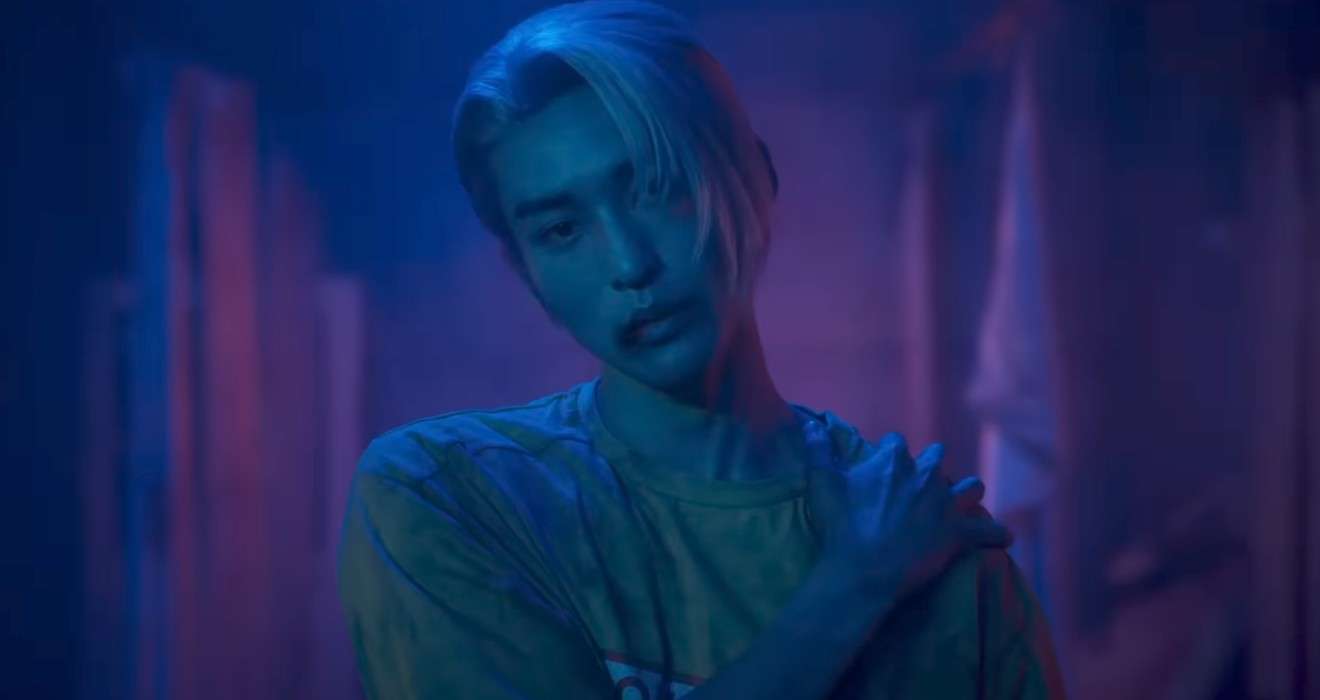
Snow Man singer Ren Meguro will play Taro Sakamoto, and action sequences are handled by Keiya Tabuchi, whose résumé includes the live-action Attack on Titan. Reactions to the news and the trailers have been cautiously optimistic. And yet, I can’t help but question if Sakamoto Days actually needs a live-action film, or is it getting one simply because it can?
We’ve seen this before. Dragonball Evolution, Death Note, Alice in Borderland, One Piece. It’s only a matter of time until an anime or a manga series is reimagined in a live-action adaptation. While being popular is not a good enough excuse for a live-action adaptation, there are some valid business reasons behind the decision.
Live-action adaptations can reach audiences who would never pick up a manga or commit to watching the anime. These demographics skew older, or they’re people who believe animation “is for children.”
A successful film generates press, and boosts merchandise sales. They bring in new fans into the franchise. In Japan specifically, a theatrical film release is considered a sign that a series has transitioned from being a niche to becoming a mainstream cultural phenomenon.
For a manga that was serialized back in 2020, a film adaptation is a major milestone for Sakamoto Days. But at the same time, it didn’t need a live-action film to prove itself. It’s doing well enough as a manga and anime with a core fanbase buying every volume, merchant, figurines, etc.
Compressing the Source Material into a Two Hour Film
When a manga or anime gets a live-action film, the creative team has to compress dozens of chapters into a two to three hour film. Several chapters are usually dedicated to character development, setting the foundation for a future arc, or is just pure filler. Relationships that took years to develop are condensed to a few scenes. Events that are secretly foreshadowing future storylines get cut.
Sakamoto Days’ appeal is in the balance between action and comedy. A single fight sequence can be filled with tension while also delivering some serious laughs, because the story takes its time. Squeezing that into a two-hour film either sacrifices the comedy or the moments that make the action scenes so satisfying.
When the director and writers are familiar with the source material, this isn’t a problem. Netflix’s One Piece has been praised for capturing the tone and humor of the original manga. It’s when the creatives involved are unfamiliar with the material they’re adapting that causes a lot of problems. Especially if they’re trying to “fix” the franchise.
Sometimes, in an attempt to make the film more “cinematic” or palatable to general audiences, the qualities that made the source material beloved are sanded down.
Getting the Actors Look Like Their Character Is Another Issue
One controversy surrounding the Sakamoto Days film involves how its lead character is portrayed. Meguro spent approximately four hours in the makeup chair each day to transform into the current, heavyset version of Sakamoto.
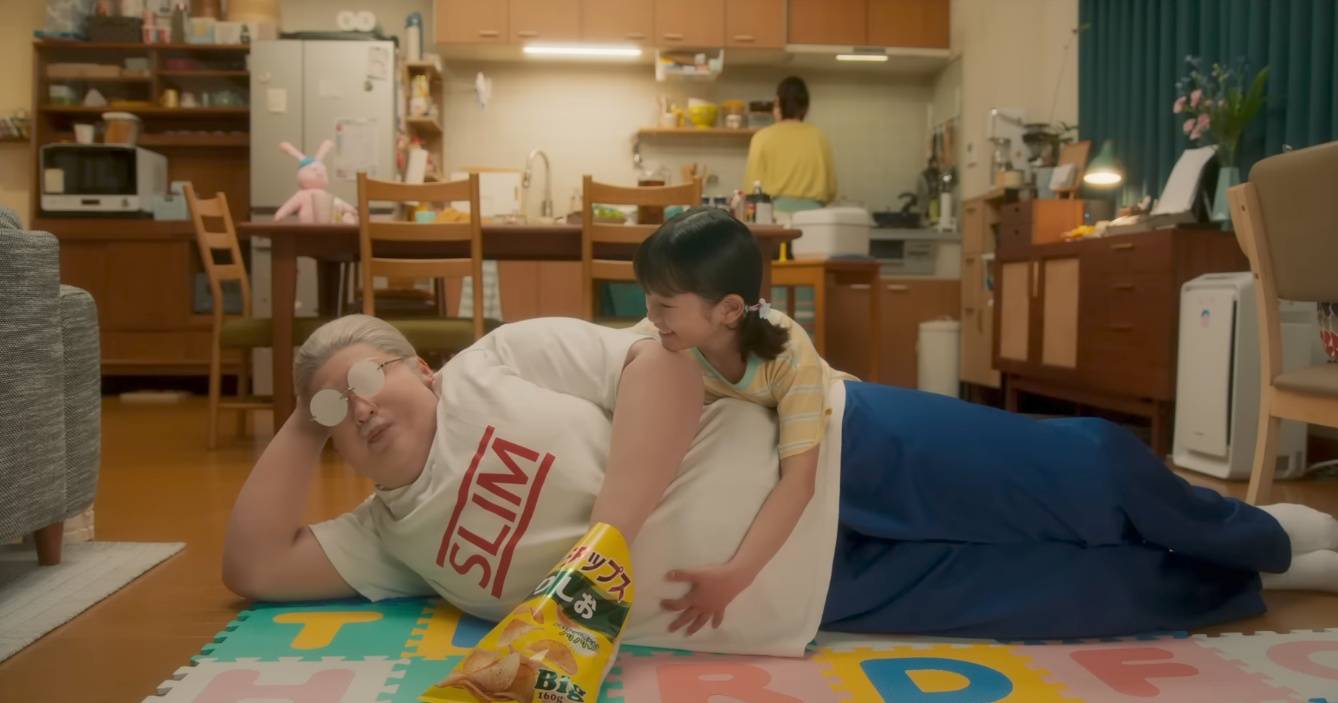
Some fans and critics believe the end result doesn’t resemble Taro, with some comparing Meguro’s transformation to AI-generated images. Other fans argue that it would have been better to cast a plus-sized actor and use CGI to depict the slimmer, younger Sakamoto instead.
Having the same actor play both versions of Sakamoto is easier (and cheaper) casting two different people for the role. However, Sakamoto’s appearance is a central part of the story. His current overweight self represents the happy, loving husband and father he chose to be. His slimmer figure is a throwback to his days as a cold-blooded assassin. The drama with the fat suit is really a debate on whether live-action can accurately express what the manga easily conveys on a single page.
This Film Is a Test Case
With anime and manga becoming more popular around the world, the live-action Sakamoto Days film is a test of how far studios can go in adapting these works into other mediums. If it works, a wave of similar projects will be greenlit. Studios will interpret the success as confirmation that audiences want live-action content based on popular manga/anime.
Director Fukuda has said back in 2025 that the film was strong enough to show in theaters even though the CG and music weren’t added yet. That’s a promising sign since Fukuda has a solid track record with adaptations like this.
This film might genuinely be great. But the real question isn’t whether it’ll be fun to watch. It’s whether being entertaining or popular is enough to determine how stories are adapted.
Netflix’s One Piece showed that live-action versions of popular anime can work, but one success story doesn’t automatically create a trend. It only sets a precedent. And that precedent has to be proven again through different stories and creative risks before the industry can rely on it.