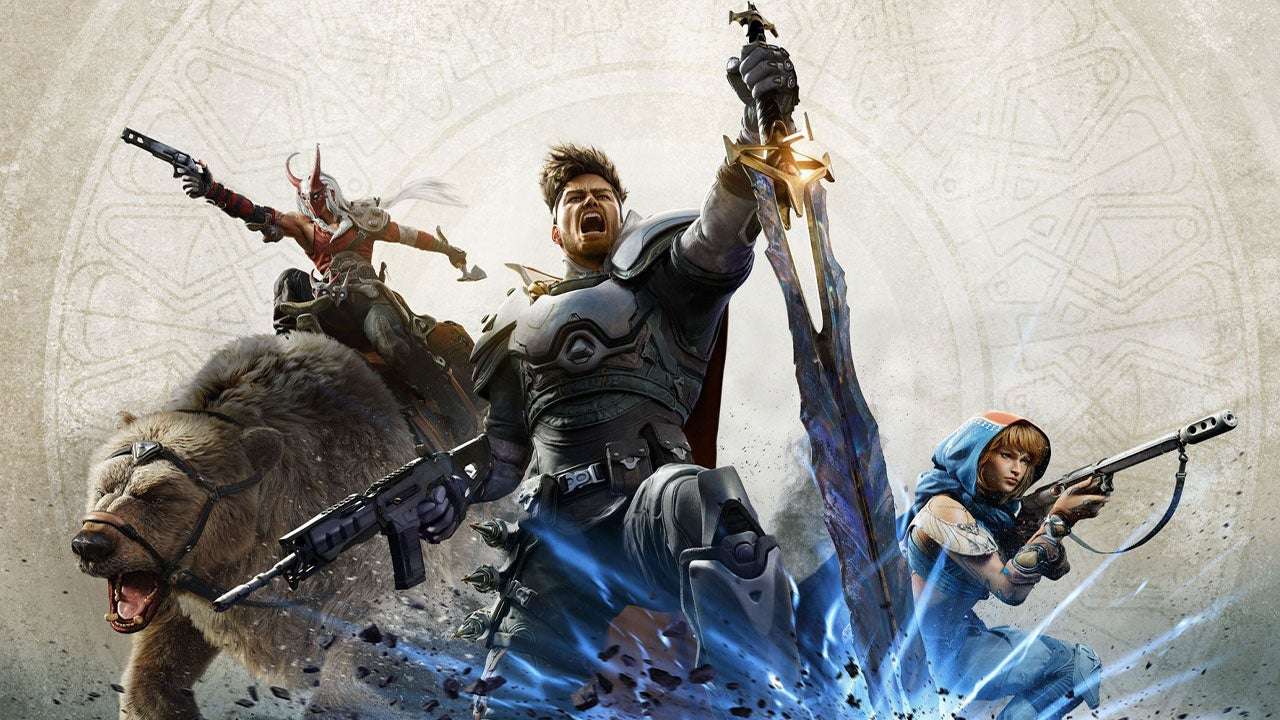
On January 21st, 2026, gaming journalists flew to Los Angeles to preview the free-to-play PvP raid shooter Highguard. They were sent to a luxury venue where they received perks like free meals and lift rides. They played the game for 4 to 6 hours on the best hardware available under ideal conditions.
Days later, glowing previews dropped across IGN, Polygon, and PC Gamer.
When Highguard actually released, the game was hit with “mostly negative” on Steam within 48 hours. Players complained of poor optimization, bad gunplay, having concepts that feel out of place like mining crystals. 97,000 launch-day players dropped to 7,000 three days later, a 92% decrease in Highguard’s player base.
Did all the journalists who reviewed the game lie? The truth is much worse. They just stopped being journalists.
Why Critics Become Cheerleaders
Gaming journalism runs on access.
They need early review codes and exclusive interviews. Go too hard on a game? That access disappears. Nobody sends you an email saying “you’re blacklisted.” They just stop responding. Your competitor gets the exclusive instead. Your traffic drops as a result.
In order to keep their jobs, journalists self-censor themselves. It’s not because they’re all corrupt. Their job depends on being on good terms with the companies they’re supposed to critique. Access-based journalism becomes access media which turns into glorified PR.
The Illusion of Independent Voices
Here’s what most readers don’t know. Those “different” outlets publishing the same takes? They usually share the same owners.
IGN, CNET, and Rock Paper Shotgun are owned by Ziff Davis. PC Gamer and GamesRadar are Future PLC properties. Polygon, Screen Rant, and The Gamer answer to Valnet Inc.
When multiple outlets under one corporate parent publish matching perspectives, that’s coordination.
About 90% of American media (gaming included) are controlled by a small handful of conglomerates. These companies care about ad revenue and pleasing investors. When growth matters more than truth, journalism dies.
Studies show over half of journalists admit their stories are buried due to a conflict of interest. Board members overlap across the industries their publications cover, a system called interlocking directorates. An “independent gaming outlet” could share decision-makers with the publisher it’s reviewing.
The Role Toxic Positivity Plays in Gaming
Toxic positivity forces optimism onto situations that don’t warrant it. In gaming, it appears when journalists dismiss bugs, poor optimization, and underwhelming graphics with “stop being negative” or “you just think it’s bad because the internet says so.”
The situation with Highguard shows how this works. Journalists played a version of the game in a controlled environment. Overly positive reviews are published at around the same time, piquing the interest of gamers. When players criticize the game, journalists will dismiss it as “review bombing.” Cliff Bleszinski tweeted: “When did it become trendy to hate on new games?”
Maybe when journalists gaslight players with valid criticism like a character flaw. The industry defaults to gaslighting players into doubting their own experiences, protecting companies from accountability.
These tactics cause real damage to the gaming industry. Developers are convinced that everything is fine when it isn’t. Player backlash leads to layoffs and studios closing down. The gaming industry has lost over 45,000 jobs since 2022. Many of those losses trace back to live-service games that failed to live up to the hype journalists created for them.
Reviews lose meaning when everything gets a 10 out of 10. Trust erodes as gamers start to realize how biased gaming sites are. The loss of credibility damage makes it harder for outlets to survive, which makes them even more dependent on access and advertising.
What Responsible Coverage Should Look Like
Responsible coverage isn’t complicated. Journalists need to remember their job is to serve their audience, not the ego of developers or to appease a publisher’s shareholders.
Readers deserve to know if the game that’s being reviewed is the same game that’s released to the public. If a journalist was invited to a special event, it should be disclosed in their review along with conditions that could influence their perception of the game. Some people can find it difficult to speak badly against the one who paid for your travel, meals or troubleshoot any issues you encounter.
Journalists should also mention if they played it on a high-end PC or a developer’s version of a PS5 or Xbox Series X. Make it clear that performance will vary depending on the hardware it’s running on. It should be emphasized that the preview’s build is either a work-in-progress or it’s the perfect version of the game.
Of course this is easier said than done. At the end of the day, just about every writer that’s putting Highguard on a pedestal is an employee. They have a boss to answer to and a lot of what they cover was assigned to them. Saying no or veering off script could bring them one step closer to being out of a job.
There’s Only Path Moving Thing
Highguard won’t be the only game to fall under the weight of its marketing.
The cycle continues without question. Studios chase hype instead of quality, journalists promote it, players are mad and workers pay the price.
So where does that leave us?
The system isn’t going to fix itself. Corporate-owned outlets won’t suddenly prioritize credibility over revenue. The incentive structure is broken by design, and the ones profiting from it have no reason to change it.
But there is something we can do.
Scrutinize every review published by major outlets. Don’t follow their day-one coverage. Don’t share their articles or videos. Algorithms track engagement. When you stop giving their content your attention, platforms stop promoting it. You can literally starve them out by choosing not to participate in the hype cycle.
Also, wait for real players to weigh in. Check user reviews from people who bought the game with their own money and played it on normal hardware. Find independent creators who don’t rely on publisher access for their livelihood. Support journalists who disclose their relationships and conflicts of interest. If you’re playing a game and you’re not enjoying it, trust your experience. If a game feels broken to you, it’s broken for you. You don’t need a journalist’s permission to think something is bad. Your time and money are valuable. Don’t let anyone gaslight you into doubting your own judgment.