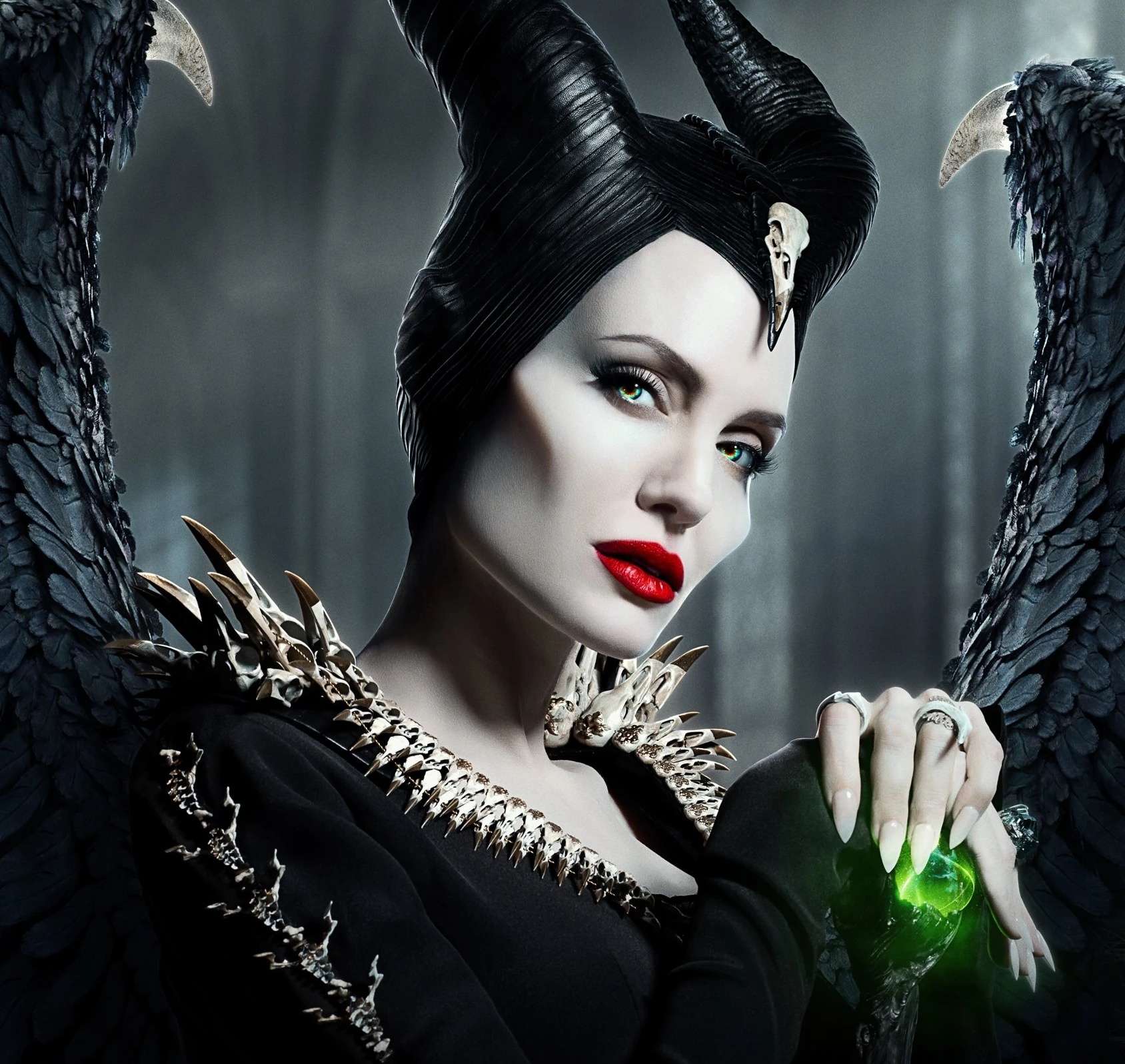
There’s a moment in the 2014 live-action film Maleficent that tells you everything that went wrong with modern storytelling. The original animated Sleeping Beauty had one of cinema’s great villains: a woman who curses a baby because she wasn’t invited to a christening. That’s it. That’s the whole reason. And it works brilliantly, because the pettiness is the point. Evil doesn’t always need a reason to be evil.
The remake couldn’t leave it at that. It reimagined Maleficent as a good fairy whose wings were burned off by Aurora’s dad. Suddenly she wasn’t evil. She was misunderstood, betrayed.
These kinds of twists are becoming more common, where the reason behind the antagonist’s villainy is used as an excuse to redeem them. And it’s ruining fiction writing.
How Did We Get Here?
This change didn’t happen overnight. Over the two decades, audiences wanted stories to feel more relatable. A villain who’s just evil for no good reason started to feel like lazy writing. Writers responded by using trauma and circumstances to justify villainous behavior. The golden age of antiheroes of the early 2000s to the early 2020s led by characters like Tony Soprano, Walter White and Don Draper sealed the deal. The prestige TV era proved that moral ambiguity was addictive. Complexity became synonymous with quality.
We can’t ignore the role therapy culture played here. Once psychology went mainstream, soon the source of people’s behavior came from a psychological wound. That’s true up to a point. But art absorbs ideas through imitation, without digging deeper. Now, every villain is the result of a past hurt. Dead parent, abusive mentor, bullied as a child.
The logic reassures us that no one is truly monstrous, just misunderstood. But it also cheats us out of something essential. Real evil, in fiction and in life, is scary because it can’t always be explained. When you can excuse every bad act to a bad childhood, you dilute morality into a case study.
The Sympathy Trap
The problem writers keep making is they assume sympathy and exoneration are the same thing. Explaining how someone became who they are doesn’t mean they should be forgiven. A tragic backstory is context but it’s not a moral argument.
Kylo Ren is a good example. His rage is the product of parental neglect, fine. But he kills Han Solo, kills and tortures people. The sequel trilogy tries to paint him as someone who can return to the light side without giving him enough redeeming qualities. His eventual redemption in The Rise of Skywalker lasts for one scene before he conveniently dies. Which means he never has to reckon with anything he did. The tragic backstory did all the heavy lifting so the story didn’t have to.
Wanda Maximoff in Doctor Strange in the Multiverse of Madness is even sharper. WandaVision gave us a woman broken by her grief, it was some of the MCU’s best character work. Then the Multiverse of Madness had her massacre heroes, hunt down a child across dimensions, all while reminding the audience she was doing it to find her kids. The film wanted you to feel both things at once and wasn’t willing to do the work of actually holding that tension.
What Good Sympathetic Villains Looks Like
Take Jaime Lannister. Through the first four seasons of Game of Thrones, he’s insufferable, arrogant, cruel. The man throws a child out a window crying out loud! But then the show starts to peel back his layers. His backstory doesn’t absolve him but it adds some context. You learn he killed the Mad King to save thousands and was branded “Kingslayer” for his trouble. Heroism turned to shame because politics demanded a villain. It doesn’t erase what he’s done. It just gives us an idea of who Jaime is and who he might have been.
Then there’s Prince Zuko from Avatar: The Last Airbender, who has the finest redemption arc in the history of animated television. What makes it work is the show takes three seasons and refuses to rush. Zuko doesn’t just decide to be good. He tries, fails, screws up big time at the end of season two, making the worst choice of his life at the exact moment redemption was within reach. He then has to start over from a lower point than where he started.
Most redemption arcs are a straight line. Zuko’s is jagged, which is how actual change works. And the show never lets him off the hook for what he did. Katara’s refusal to trust him when he finally joins the heroes isn’t her being unreasonable. It’s the correct, human response to everything he’s done to her and to Aang. Her anger validates the audience’s own complicated feelings. The show respects the weight of what it’s asking you to forgive.
Being Evil is Boring Now
The irony is that this obsession with empathy has made villains dull. By explaining why they’re evil, we’ve drained away the mystery that made them exciting in the first place. Anton Chigurh, Nurse Ratched, Hannibal Lecter, they’re unsettling because we don’t understand them. Their evil can’t be explained away or forgiven and we used to be okay with that.
Now we try to patch it with compassion. Maybe our culture, steeped in relativism and self-help jargon, can’t stand the thought of irredeemable darkness. Declaring anyone “evil” feels judgmental, maybe even politically charged. So storytellers rush to soften, to explain. Think of Maleficent or Cruella. Their live action remakes plop sympathy onto characters who were once monstrous.
When evil becomes understandable, it stops being frightening. And when nothing is frightening, nothing is at stake.
Understanding someone is not the same as forgiving them. Fiction keeps forgetting this. The audience hasn’t.