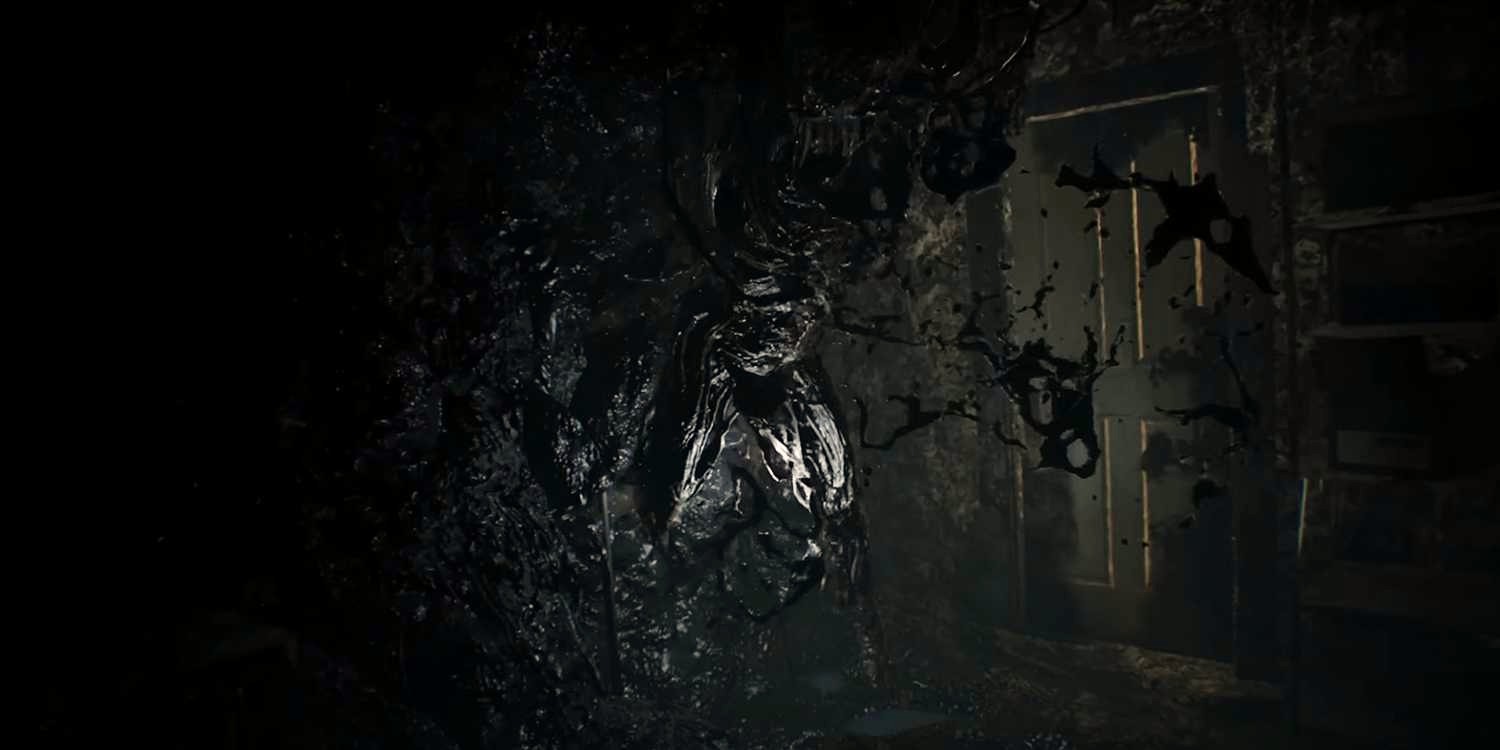
The Resident Evil franchise has given us zombies, Tyrants and pretty much every kind of lab-grown monster you can think of. So when Resident Evil 7: Biohazard gave us a haunted-house vibe with a creepy fungal growth at the center of it, a lot of fans didn’t know what to make of it. Turns out the Mold is one of the more disturbing ideas the series has come up with.
What Is the Mold? Where Did It Come From?
The Mold is a fungus-based organism buried in a cave system beneath what would become the Baker family’s Louisiana property. Its exact origins are unknown, though there is evidence to suggest it’s been around for about a millennia. What we do know is that it’s connected to a fungal super-colony originating somewhere in Eastern Europe. This super-colony can be traced back to a society of cave-dwellers who disappeared long ago.
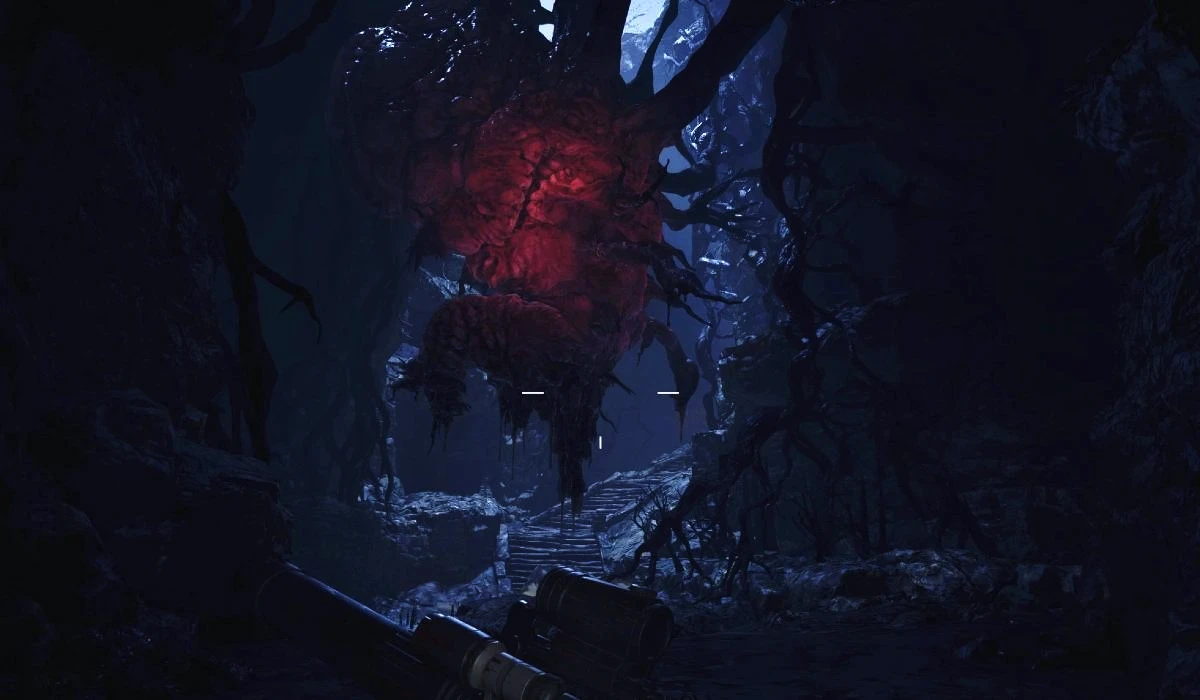
In 1919, a grieving mother named Miranda discovered this mysterious fungi which she called “The Mold.” When she saw it had been consuming human bodies for centuries, including the corpse of her daughter Eva, Miranda was convinced she could use the super-colony (which she worshipped by calling it The Black God) to resurrect her daughter.
For over a century, Miranda conducted experiments on the Mold to study its abilities. She was able to genetically engineer a parasitic nematode that was altered by the Mold called the Cadou. Designed to create a superhuman host that could preserve Eva’s consciousness, everyone from lowly peasants to nobility were infected with these parasites. Most of the infected died or mutated into werewolf-type creatures known as Lycans, with only eight subjects surviving.
I want to make it clear that the Mold has nothing to do with Umbrella Corporation or the T-virus. The Mold was found and later weaponized by a rival organization called The Connections. They used it to create Eveline, a bioweapon designed to look like a young girl but capable of controlling anyone she infects.
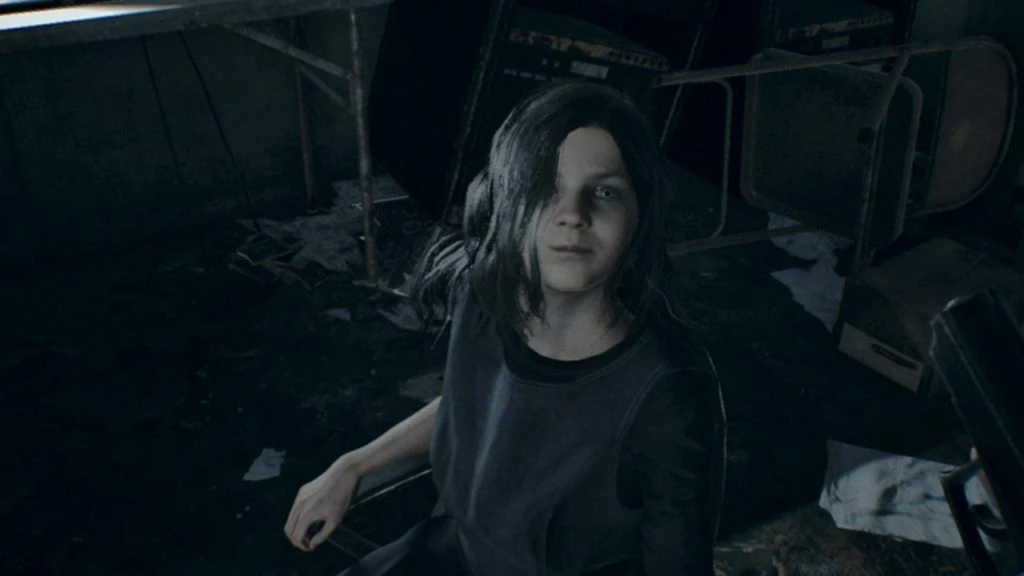
She can also use the Mold to create humanoid monsters called the Molded or can mutate victims using the fungus.
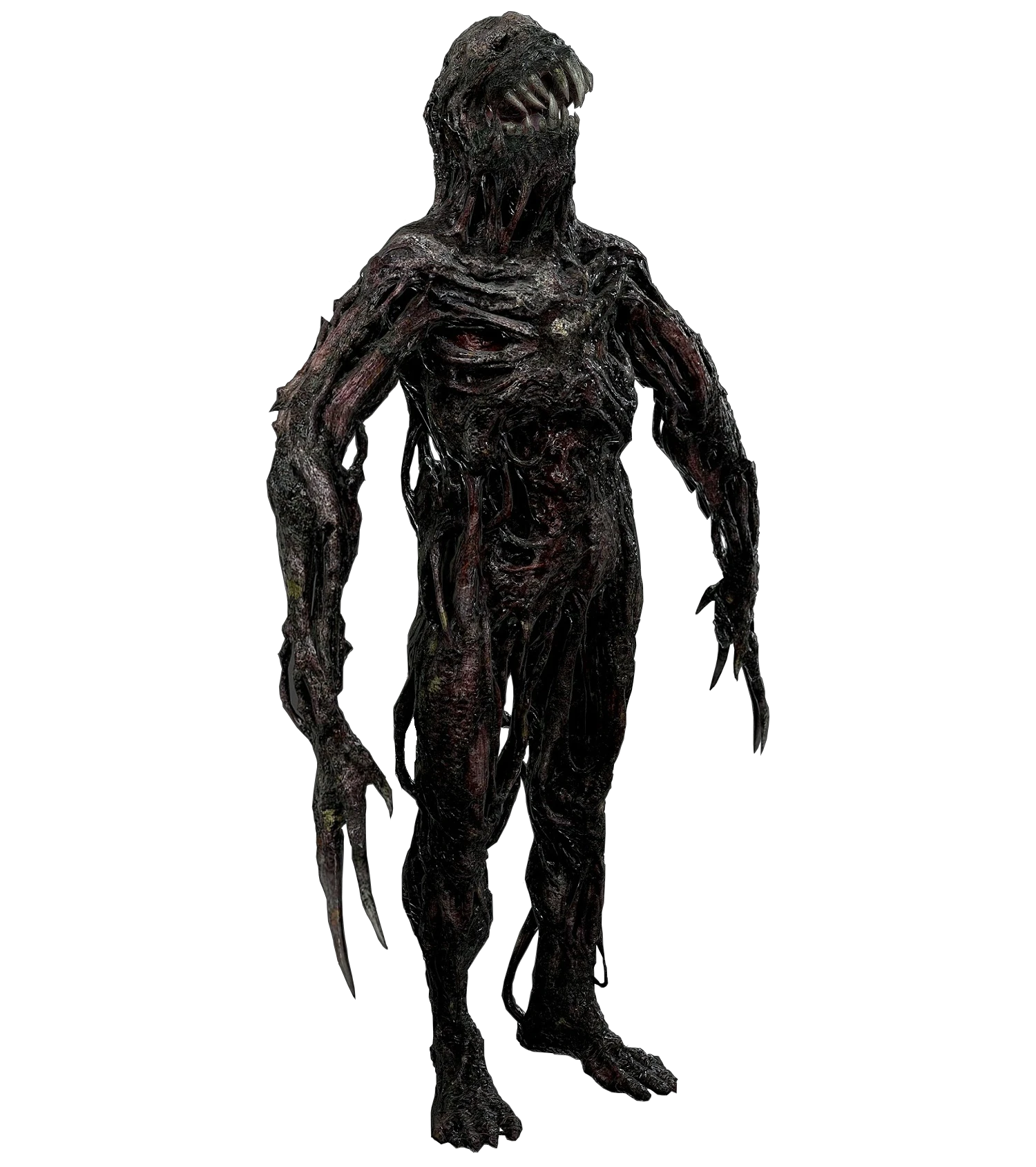
Airborne spores get into a host’s body and settle into the brain, where they grow into a mass of thread-like fungal tissue. From there, more spores spread through the rest of the body and start replacing the host’s own cells with near-perfect fungal copies. Creepy, right? In extreme cases, like with Marguerite Baker, the fungus doesn’t just replace cells. It will actually grow new organisms out of the host’s body. Marguerite Baker ends up growing imitation spiders and wasps that can survive on their own, completely separate from her.
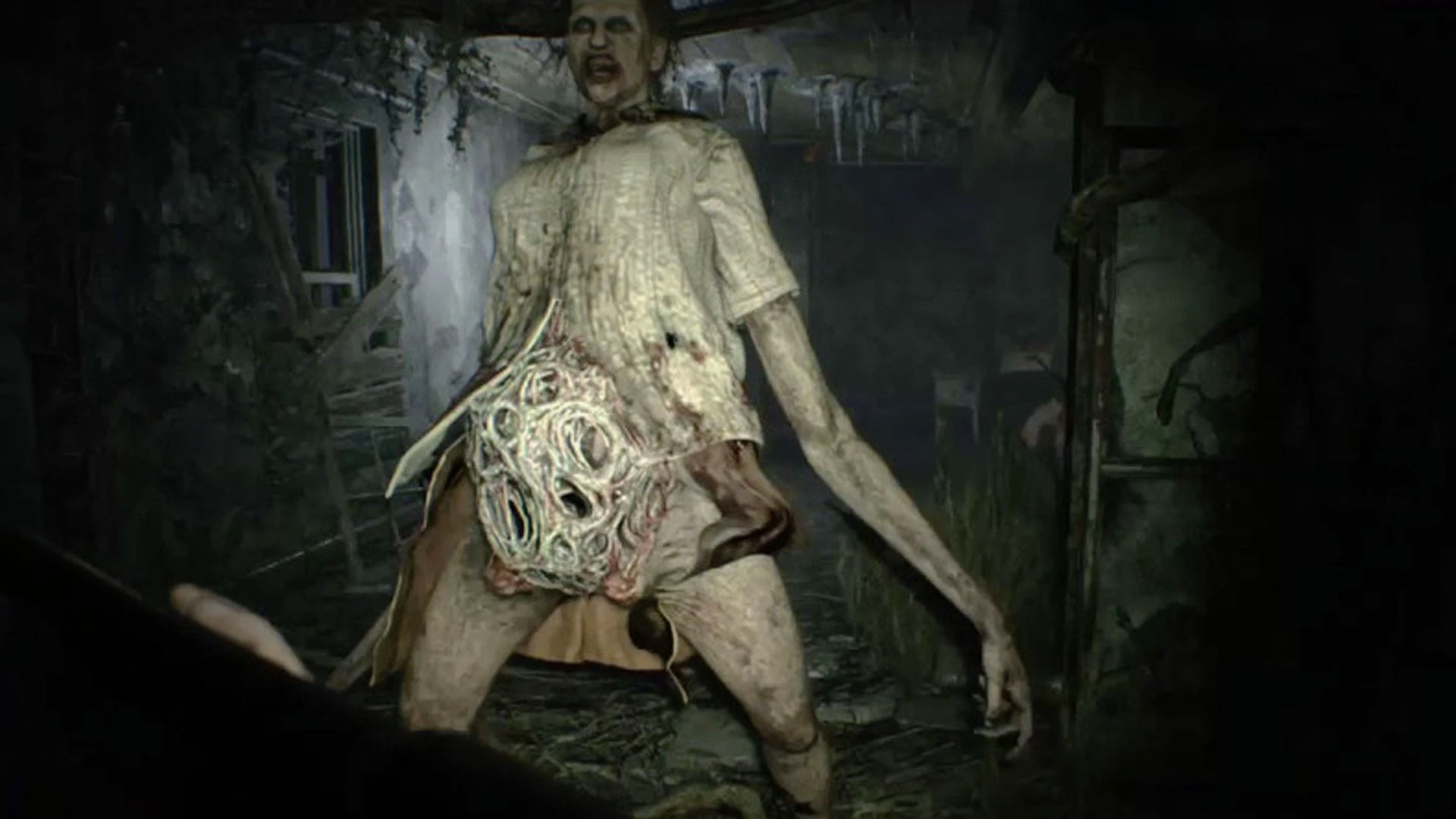
One weird side effect shows up on the skin. A lot of infected people take on a pale, sickly greenish tone as the fungus spreads through their cells. Interestingly, this doesn’t seem to happen to everyone. Some people who get infected but never fall fully under the Mold’s mental control manage to keep something closer to their normal skin tone, while others stay pale even after breaking free of it.
The Mold at times has acted as a hive mind of sorts. Infected hosts and fungal clusters seem to be capable of sharing thoughts and memories with each other, almost like nodes on a network. This is how Eveline is able to mess with people’s heads even when she isn’t near them physically.
Is the Mold Supernatural, or Does It Just Look That Way?
Throughout Resident Evil 7, the game makes you feel like you’re trapped in a typical horror story. You’ve got flickering lights, disembodied voices, terrible monsters. But nothing about the Mold is based on the paranormal.
Those ghostly hallucinations Ethan Winters experiences? They’re the result of Mold spores affecting his perception. Or it’s just Eveline projecting her thoughts through the Mold that’s spread through the walls and ground of the Baker property. The witches, vampires and lycans shown in Resident Evil Village are Miranda’s Mold-based experiments.
So no, the Mold doesn’t confirm ghosts or magic exist in the Resident Evil universe. The series continues to double down on its “everything monstrous has a scientific explanation” rule, but that doesn’t stop it from playing around with traditional horror aesthetics.
Treatment and Cure for the Mold Infection
Given how nasty this fungus is, it’s no surprise multiple groups tried to create new ways to fight it. The Connections reportedly developed a serum meant to restore conscious control to people infected under Eveline and weaken her hold over them. Ethan and Zoe Baker allegedly used something similar to what The Connections made during the events of Resident Evil 7 to save Ethan’s wife Mia.
The only confirmed method of dealing with Eveline was a targeted toxin built from her own tissue samples, something called an E-Necrotoxin. Ethan is able to inject this necrotoxin into Eveline, melting her down until she merges with nearby Mold to grow into one final massive form before finally being killed off for good. Beyond that, there are references to other anti-fungal weapons developed later on by groups like Blue Umbrella. This includes special ammunition meant to break down fungal tissue and make Mold-based creatures easier to kill.
What Happened to the Mold after Resident Evil 7: Biohazard?
In 2021 during the events of Resident Evil Village, the BSAA (Bioterrorism Security Assessment Alliance) destroyed the Black God super-colony the Mold originated from. But the Mold itself is still around in some form. A fragment from the super-colony survived and was recovered by the BSAA, but nobody knows what they plan on doing with it.
At the end of the day, the Mold isn’t a virus turning people into snarling zombies. It’s something much scarier than that because it can be found in nature. A true bio-organic substance that will slowly take over a person’s body and mind while making them think they’re happier for it. The fact that we still know so little about the Mold, on top of the possibility that it still exists outside of the sample the BSAA collected is enough to keep you up at night.
Who knows if or when the Mold will make another reappearance in the Resident Evil series? Maybe it’s better to not have an answer to that question.