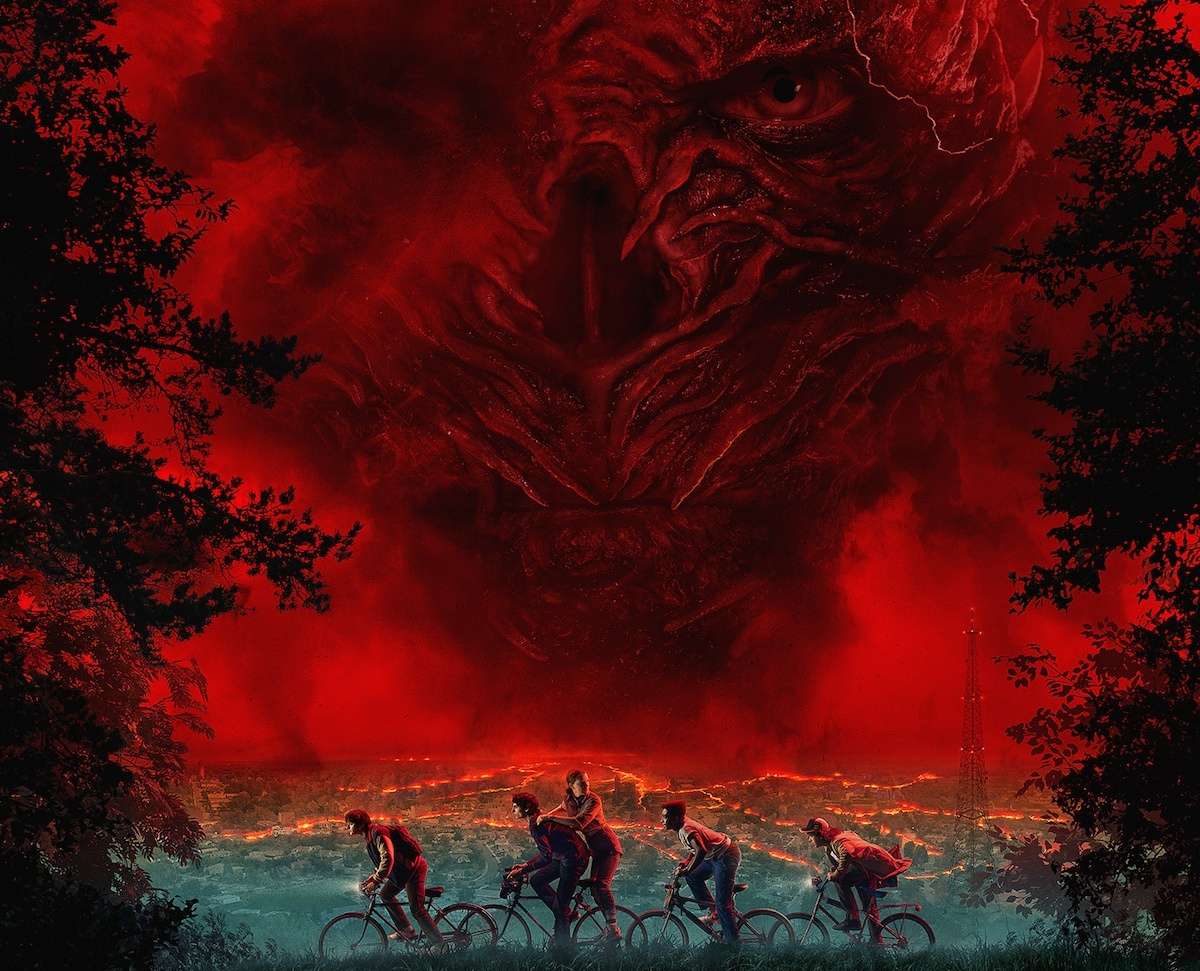
A lot of people are not happy with the series finale of Stranger Things. Many argued that “The Rightside Up” felt unfinished. After nearly a decade of buildup, viewers expected closure. What they got instead was an ambiguous ending sitting on top of unresolved plotlines.
The Lack of Closure
One of the biggest issues with the ending is that people were hoping that all, or at least most of the story arcs, would be resolved in the final episode.
For years, the series teased big revelations about the Upside Down, along with more details of Vecna/Henry Creel’s origin. When a show spends several years setting up mysteries, viewers naturally expect some kind of payoff.
Instead, the finale pulls back. When it comes to the Abyss and the Mind Flayer, there are too many plot holes left unresolved. How did the Abyss come into existence? When did the Mind Flayer learn about Earth? How did the U.S. and Russia discover it? Do any other countries know about the Mind Flayer or the Upside Down?
Speaking of the Mind Flayer, nobody knows if it’s actually dead or if it’s dormant. Is the goal of invading Earth impossible to achieve without Vecna or has it already found a new victim?
Also, how was the Party able to escape military custody? And not face any criminal charges for interfering in what’s essentially a government operation? We never learn if Dr. Kay is punished for her experiments. Dr. Owens’ fate is also a mystery.
Then there’s Will’s connection to the hivemind. Earlier seasons treat that link as a physical and mental connection. Harming a creature from the Upside Down/Abyss would cause Will immense pain. Yet the Party is able to kill Vecna, mortally wound the Mind Flayer, destroy the Upside Down and Will is perfectly fine the entire time? How is that possible?
Vecna is dealt with rather early, dying in the first half of the episode. The last 40 minutes acts as an epilogue. The story focuses more on invoking feelings of wistfulness than wrapping up remaining plot threads.
Eleven’s Ambiguous Fate
Arguably the most controversial thing to come out of the finale is the ambiguity surrounding Eleven’s fate.
The Duffer Brothers refuse to confirm whether El is truly dead or if she survived and faked her death. The idea that she’s alive and safe somewhere is framed as a hopeful idea from Mike’s than a concrete answer.
For a character who has been the center of the show for five seasons, that was the breaking point. Viewers didn’t want a “maybe she’s dead, maybe she’s alive” type of ending. What they wanted was to see El being free from the government’s obsession with using her as a weapon. We want to know for sure she’s safe and living a happy life instead of assuming she is.
An Ambiguous Ending Doesn’t Work For a Show Like Stranger Things
Ambiguous endings work when it fits the story as they can reflect the messiness of life. These kinds of endings don’t work for a show like Stranger Things that have a linear, plot-driven structure.
Imagine if The Hunger Games ended right after Katniss and Peeta learn that the rule allowing two Victors to win the Games has been revoked. Right as the news is sinking in, Katniss has an inner Neon Genesis Evangelion-style monologue about how the Games are nothing more than a brutal form of propaganda used to control the districts.
Then the book ends.
You don’t get Katniss and Peeta forcing the Games to let them both live by threatening to kill themselves. You don’t get the hints that Katniss’ actions have unintentionally triggered a rebellion that’s spreading throughout Panem. It’s just over.
That’s what Stranger Things’ series finale feels like for some people. After nearly a decade, there’s too much that’s been left unsaid.