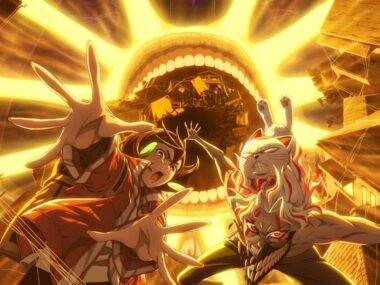
If you’ve never heard of Dandadan, it’s about a girl who believes in ghosts meeting a boy who believes in aliens. The duo gets tangled in the wild world of the supernatural mess, all while dealing with newfound superpowers and their growing feelings for each other.
Dandadan is weird, surreal, and unapologetically audacious. And then, without warning, it breaks your heart.
The Acrobatic Silky arc, spanning episodes 5 through 7 of the anime’s first season, is where Dandadan shows you what it’s truly capable of.
A Ghost Story That Isn’t Really About a Ghost
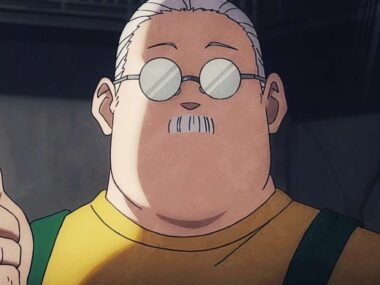
Our protagonists, Momo Ayase and Ken Takakura (nicknamed Okarun), are on a quest to recover Okarun’s stolen kintama. Which is Japanese for his, uh, testicles, taken by a mischievous yokai earlier in the story.
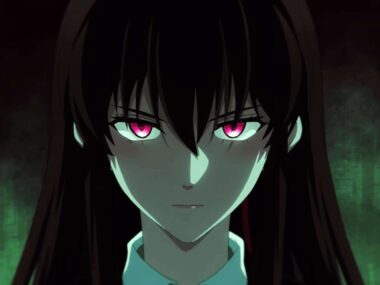
Their search leads them to Aira Shiratori, the school’s self-proclaimed “Proud Beauty,” who unknowingly comes into possession of one of Okarun’s kintama. As a result, she gains the ability to see spirits.
Confronting Aira is the easy part. What Okarun and Momo didn’t expect was to be attacked by the spirit that’s been following Aira.
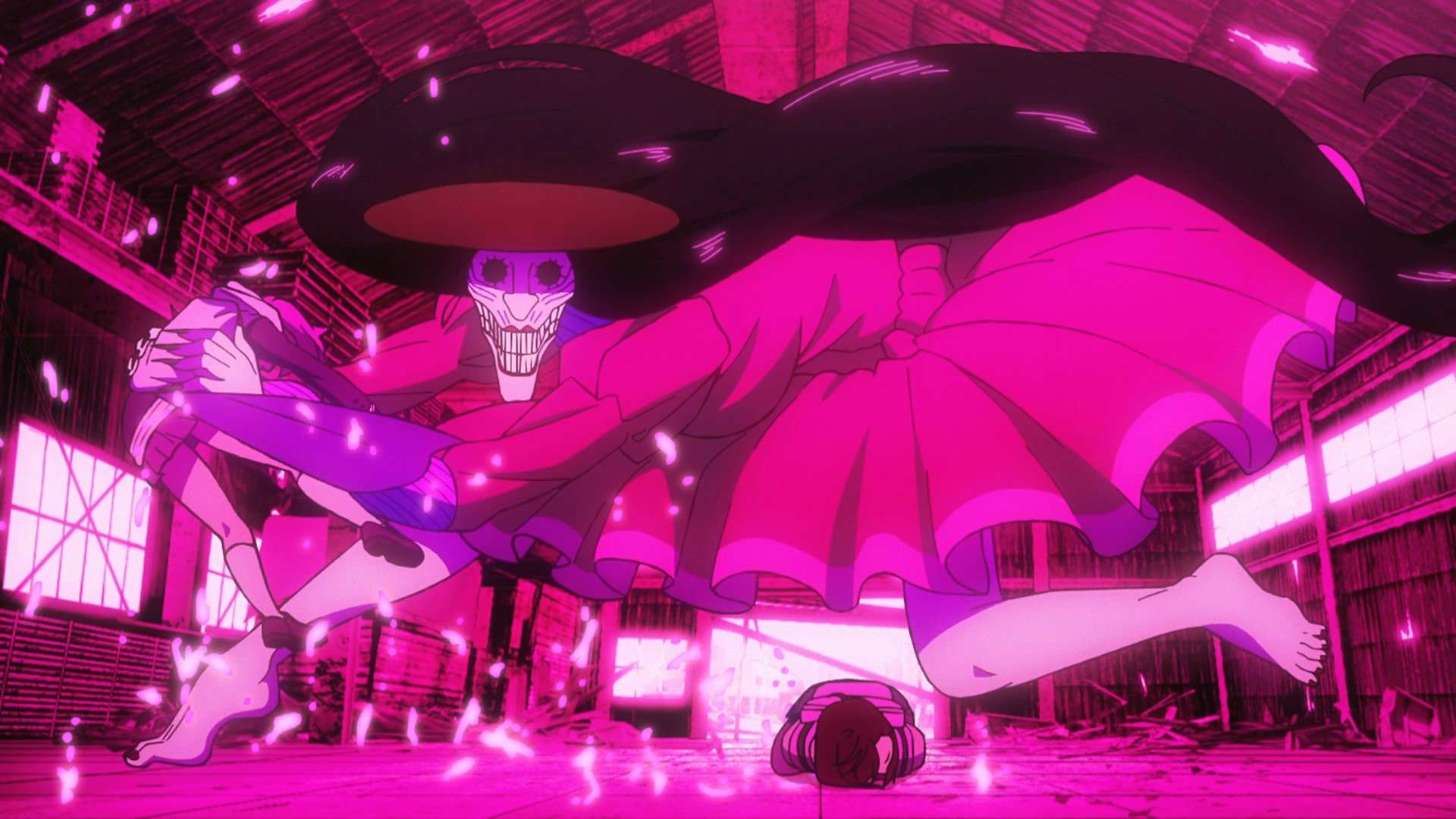
Acrobatic Silky is unnervingly tall, wearing a red dress. She has long black hair and a permanent lipstick smile. She is terrifying in the sense that you can tell something really wrong with her. She has been haunting Aira since childhood, and she wants one thing: for Aira to call her “Mommy.”
When Silky attacks, the fight is brutal. She overwhelms Momo and Okarun, swallowing the latter, then Aira when she calls Silky a monster. She is a monster. But her arc dares to ask: what made her one?
The Woman Behind the Yokai
The battle ends with Momo trapping Silky in the warehouse and Okarun delivers the finishing blow. The duo were able to rescue Aira but she died while she was inside Silky’s stomach.
To everyone’s surprise, the weakened Silky offers up her own spiritual aura to bring Aira back. As Momo uses her psychic powers to make the transfer, she witnesses Silky’s past.
Silky was a single mother. Drowning in debt and working multiple jobs, including sex work, just to keep her daughter fed and clothed. Despite everything, she loved that little girl with everything she had. She taught her daughter ballet. Silky scraped together enough money to buy her daughter a beautiful red dress. The same red dress she wears now, in death.
Then the debt collectors came. They beat the mother and took the little girl as collateral for unpaid debts. She chased them into the street only to collapse before she could reach her child.
Devastated, she climbed a rooftop. She danced one last time before she threw herself off the roof.
Her suicide, weighted down with regret, trapped her spirit in the world of the living. Her memories of her daughter faded but the hollow ache remained. Years later, a young Aira Shiratori saw the ghostly woman. Missing her own late mother, Aira reached out and grabbed the hem of the ghost’s dress. In that moment of innocent longing, the yokai deluded herself into thinking Aira was her long-lost daughter.
The Best Monsters Are the Most Tragic
Acrobatic Silky isn’t a villain. She is the personification of what happens when grief and guilt are left to fester without resolution.
She is every parent who ever felt they failed their child. Her transformation into a yokai is a metaphor for what unprocessed trauma does to us. It distorts us. It makes us reach for people in all the wrong ways. And sometimes we can’t even explain why, because we forgot why we have the wound in the first place.
While Silky’s sacrifice is a sweet moment, it comes at a terrible cost. Turbo Granny reveals that a spirit who still carries regrets will be erased from existence entirely and forgotten by everyone.
Aira wakes up and Silky begins to crumble.
And in her final moments, she apologizes. Not to Aira, exactly but to the daughter she actually lost. The daughter she couldn’t save, who lived in poverty due to her mother’s financial situation. The regret she couldn’t name becomes words, just as she runs out of time to speak them.
Aira, who has every reason to hate this creature, runs towards the crumbling woman and hugs her. She pulls her close and calls her “mommy” just like the yokai wanted.
Dandadan never follows up on whether Aira’s words were enough to save Silky’s spirit. The manga is more hopeful, with the arc ending with an image of the mother and daughter finally reunited in the afterlife.
Dandadan uses horror as a mirror. Acrobatic Silky is scary because she’s recognizable. Because most of us know, on some level, what it feels like to fail someone you love. To carry that regret until it poisons you.
Dandadan wraps this in a ridiculous, lovable story about stolen testicles, ghosts and aliens. But underneath the surrealism, it can handle dark, heavy themes with empathy and grace.
Aira’s hug doesn’t resurrect Silky’s daughter or undo every moment of suffering. But it does give Silky some closure. It relieves her of the fear of being a bad mother, even if that relief is coming at the very last minute.