Nobody is happy with the animation industry right now.
Nostalgia and brand recognition play a key role in deciding which ideas get the green light. A lot of the new animated series popping up are revivals (King of the Hill, Phineas and Ferb) or spinoffs of a popular franchise (Lars of the Stars from Steven Universe, the upcoming Family Guy spin-off featuring Stewie).
Fewer shows are being produced and many animators are struggling to find work. Those same animators would argue that the rise of AI is causing more harm than good for the industry. As generative AI becomes more advanced, some studios are turning to the technology to handle production over hiring human talent.
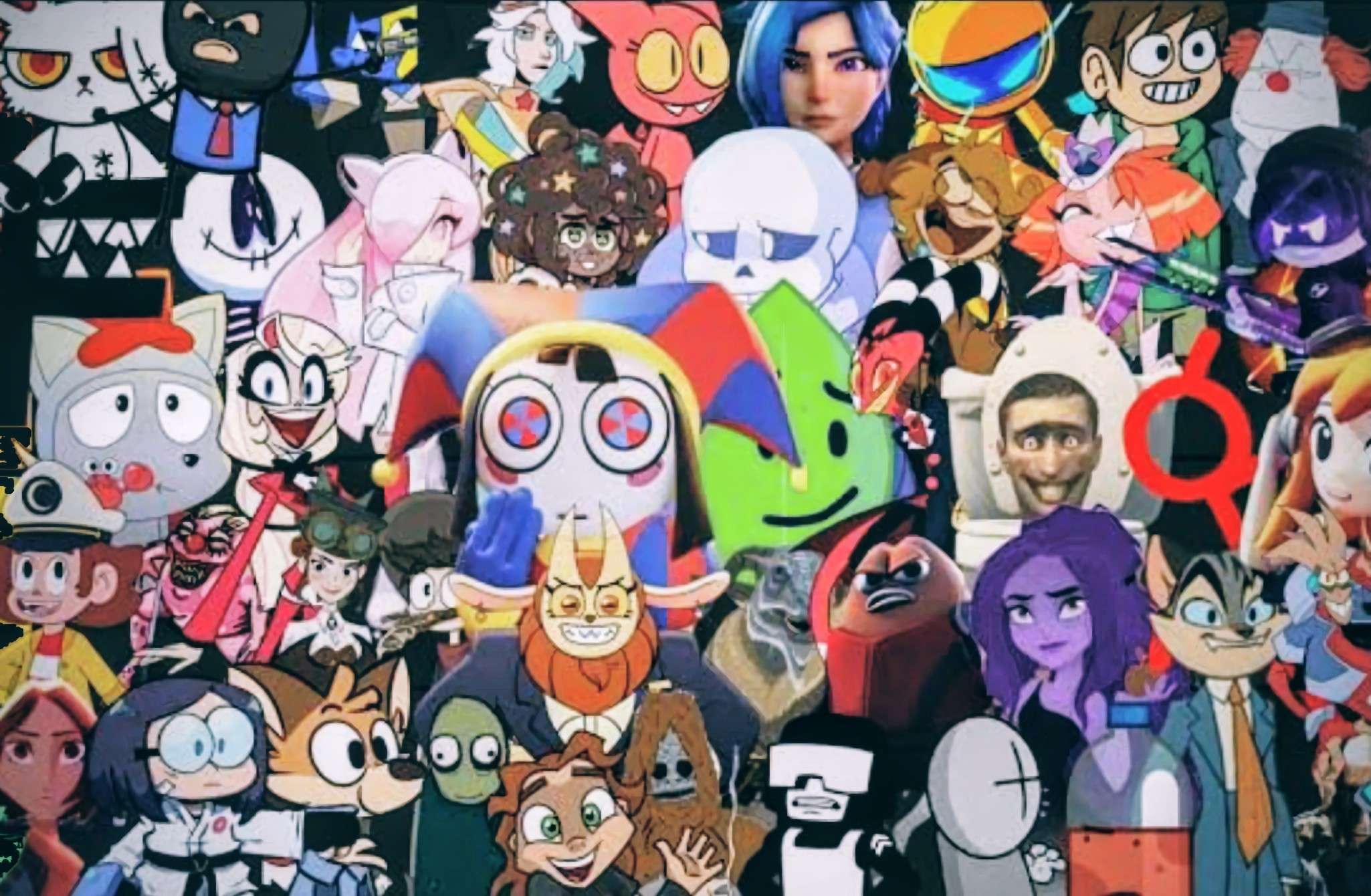
That’s why you’ll see so many people insist that indie animation is the future of animation. A growing number of creatives are making their own animated series, from industry veterans to amateurs who love the medium. But the truth isn’t so black and white.
Indie animation isn’t toppling the mainstream. It’s just filling a void within the mainstream.
What is indie animation?
Indie animation (short for “independent animation”) refers to animated films, web series and music videos that are created outside of major studios or large production companies.
Anything produced by an independent studio (an entity that operates outside the corporate studio system like Disney), a small group of animators, writers and directors or even a single person can be considered “indie.” These projects utilize a wide variety of animation techniques, from traditional hand-drawn 2D to stop motion and computer-generated animation.
Instead of relying on the backing of a broadcast network or streaming service, indie creators are in charge of the creative direction, production, and distribution themselves. Funding usually comes from the creator’s own pockets with additional support through platforms like Patreon, Kickstarter, YouTube memberships and merchandise sales. YouTube has become the top place to go to find indie animation, though other social media platforms and Newgrounds are another source for content.
This independence pushes the boundaries of storytelling that a traditional network wouldn’t approve of. The creator is free to dive into niche genres, and use distinctive art styles. Think of indie animation as more of a philosophy that embraces creative freedom and risk tasking.
Rethinking the competition narrative
It’s easy to see what’s happening in the world of animation as some kind of fight. When Glitch Productions greenlights a string of pilots it’s an automatic “fuck you” to Disney or Warner Bros. When YouTube’s algorithm sends a self-animated short your way, it’s indie versus studio. Smaller creator versus big. But that misses what’s actually happening.
Major platforms like Netflix and Disney are built around reaching large audiences around the globe, with IP they own and merchandise they can sell. That strategy has worked for decades, but it also has its limits. Anything that’s too dark, weird, adult or too niche is left out in the dust.
Indie animation didn’t disrupt that system but it is giving creatives an opportunity a traditional studio wouldn’t offer them.
A decade ago, producing an animated series required a network deal, a development deal, a team of executives approving every creative decision and a budget that required a return on investment. Most ideas never got that far.
That process still applies to studio projects, but now there’s an alternative. Tools like Blender, Clip Studio Paint, and Toon Boom let small teams or solo creators make projects that once required studio backing. YouTube removed the need for distribution partners. All that matters is finding an audience.
That’s how Glitch Productions made The Amazing Digital Circus. Funded through merch and ad revenue, it drew two million views in a day and passed 100 million within a month. As of March 2026, the pilot has over 400 million views. When Netflix wanted to distribute the series on their end, Glitch kept full creative control and funding. That independence is why The Amazing Digital Circus is so beloved among indie animation fans. It’s also proof there are other ways to bring a dream project to life.
Keep animation weird
The success of The Amazing Digital Circus proved there’s a large audience for animation that’s dark, weird, and more complex than the animated sitcoms dominating prime time.
That audience grew up watching Cartoon Network, anime or shows like Gravity Falls. These are fans who appreciate a well-written psychological horror or a suspenseful dark fantasy thriller. They want to see animation take more risks, to not be afraid to do something different.
The same pattern appears with Hazbin Hotel, which started as an independent pilot by Vivienne Medrano before Amazon picked it up. Or Murder Drones, or any number of YouTube series that built a fanbase before a single executive paid attention.
These projects succeeded by doing the opposite of what the mainstream wanted.
Going indie has its challenges
Indie animation isn’t perfect. The same freedom and independence that breathes new life to the medium can make it unsustainable at times.
Animation in itself is expensive and time-consuming. Creators rely on Patreon or YouTube memberships, merchandise, and ads to fund future episodes. Promoting your work on social media is a gamble since you’re fighting the algorithm for attention. Long gaps between episodes (I’m talking months at least) can test your audiences’ patience.
Expecting indie animation to replace the big-name studios is unrealistic because it doesn’t have the infrastructure needed to pull off such a feat.
In fact, the indie scene’s relationship with the rest of the industry is slowly becoming symbiotic. Studios are now looking at the indie scene for ideas and talent. A creator can create something independently, grow an audience, and then get backing from a major distributor. In that sense, indie animation works like an unofficial development pipeline.
A new kind of future
Animation has always evolved through the people who are passionate about it. From Walt Disney’s garage in the 1920s to an inspiring animator working from their bedrooms, every generation shaped the medium with the tools it has.
The barriers that once kept certain voices and stories out have weakened. Today’s indie creators are doing the same by pushing boundaries and finding new audiences. They’re reclaiming their agency in a system increasingly driven by algorithms and risk aversion. Not every indie project will succeed, but more people have the chance to try.
Indie animation doesn’t have to take over the animation industry. It just has to keep expanding what the medium can be. As long as there are artists willing to tell their stories, the future of animation will be anything but predictable.