Wildlight Entertainment shut down Highguard’s servers on March 12, 2026, 45 days after the game launched.
The game was in development for four years, made by the people who gave us Apex Legends, Titanfall and Call of Duty. The only thing Wildlight has to show for their hard work is the honor of knowing that Highguard lasted longer than Concord, which closed its servers after two weeks.
It’s a familiar story when it comes to live-service games as the market is extremely difficult to break into. But that’s not the main reason the game failed. It’s not so much that Highguard was a bad game. The problem is that everything went wrong at once and Wildlight didn’t know how to respond properly.
How One Bad Night Set Everything in Motion
Highguard was revealed as the closing announcement at The Game Awards 2025. The final slot is usually reserved for an upcoming game that shows potential for being “the game of the year.” It’s a spot you’d expect for a game like GTA 6 or Elder Scrolls 6. The kind of announcement that’ll break the internet.
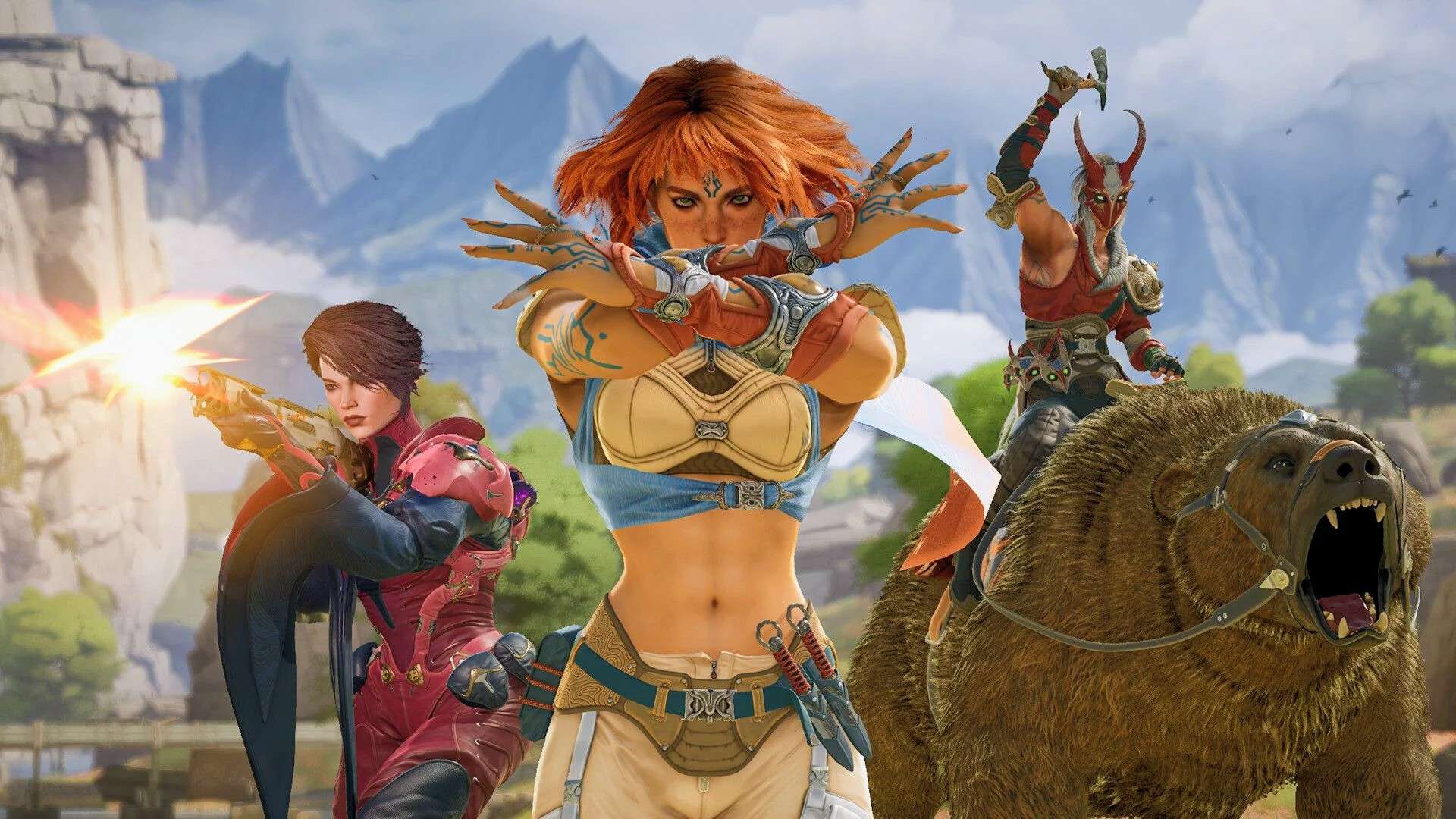
Instead, we were shown a basic, free-to-play, medieval-inspired PvP hero shooter. Nothing about the trailer revealed anything unique that made Highguard stand out. The backlash was immediate and loud, sticking to the game like a stain. From that moment on, Highguard was to win over an audience that was already skeptical.
Creator and host of The Game Awards Geoff Keighley made it clear he didn’t have a financial stake in Highguard. According to Keighley, he loved it so much, he offered the final slot to Wildlight Entertainment for free.
Initially, the studio was going to shadowdrop the game with zero fanfare. But the allure of (literally) free publicity and the chance to close out one of the biggest events in gaming was too sweet to resist.
A Rough Start That Never Got Better
Highguard was released on January 26, 2026 for PC, Playstation 5 and Xbox Series X/S. The game attracted 2 million players, peaking with nearly 100,000 concurrent players on Steam. Despite the backlash, there were people who wanted to give the game a fair shot.
Then everything went downhill from there.
Critics and players complained about the maps being too big for 3v3 matches. The pacing was slow, looting was tedious, the mechanics were overcomplicated, and the characters were dull.
Visually, the game was forgettable as it tried to borrow from Apex Legends, Elden Ring Nightreign, and traditional hero shooters all at once. And in doing so, committed being like none of them.
Critics rated Highguard a 63 on Metacritic and OpenCritic. Only 36% recommended it. And this was in spite of access journalists blindly praising the game while dismissing players’ complaints. Actual gamers were more brutal in their assessment of Highguard. The game was review bombed on Steam. Even when reviews were filtered to players with more than an hour of playtime, the score jumped to 54%. Slightly better, but it’s still not the reaction Wildlight was looking for.
The game lost over 80% of its players on Steam in just 24 hours. Within weeks, daily player counts had dropped to a few hundred. Patches were released, but they couldn’t reverse the tide. It was rumored that Tencent, which had been funding the project, pulled out due to poor retention numbers. Mass layoffs followed.
On March 3rd, Wildlight announced the servers would close in nine days. The final update with one new character, one weapon, some new skill trees was their way of saying goodbye.
Responses From Developers Only Made Things Worse
On February 12, former lead tech artist Josh Sobel went on Twitter/X to share his thoughts after he was laid off the day before.
He expressed the pride and excitement the team felt while working on Highguard. “Everyone I knew who had any connection to the team or project had the same sentiments: ‘This is lightning in a bottle.’ ‘I trust this team wholeheartedly.’ ‘If there’s one project nobody in the industry is worried will fail, it’s yours.’ ‘This has mainstream hit written all over it.’ ‘There’s no way this will flop.’ ‘I could play this game all day,’” Sobel tweeted.
When he got the backlash, Sobel was quick to place the blame on gamers and content creators for needlessly hating the game.
“Content creators love to point out the bias in folks who give positive previews after being flown out for an event, but ignore the fact that when their negative-leaning content gets 10x the engagement of the positive, they’ve got just as much incentive to lean into a disingenuous direction, whether consciously or not.”
To Sobel, Highguard was being ripped to shreds for no real reason. He completely ignored the possibility that Highguard was simply…you know, not that good. Of course, his comments only intensified the hate Highguard was getting with Sobel deactivating his account.
On March 3rd, a different developer, former senior level designer Alex Graner told the Quad Damage podcast that Highguard was too “sweaty” for casual players.
“3v3 duos is always the sweatiest version of anything like battle royale, objective modes, wingman, you know it, you name it. It requires such a high intensity of communication with your team, and team play, that it doesn’t leave much room for casualness. I think that was the biggest thing that turned a lot of players off Highguard.”
A report from Bloomberg stated that the real reason for Highguard’s failure was the “hubris” of the developers. Many of them had worked on Apex Legends and had wanted to recreate that game’s massive success. Allegedly, there were calls to open the game up for pre-release testing and feedback but leadership shot those ideas down.
One thing that is clear is that some of the people involved in making Highguard overestimated their ability to make another runaway hit. Their refusal to admit their instincts were wrong has done more harm than any “hate” content creators threw at Highguard.
Sobel reactivated his X account the day before Highguard’s servers went down. He admitted it was a mistake to post his original comments, though he stood by the gist of what he was trying to say. He simply “phrased it poorly.”
“I believe the online discourse around Highguard had some very dark corners that may have accelerated the timeline of our failure beyond the natural outcome of reasonable critique, but it wasn’t the primary cause, and I don’t personally believe the ultimate outcome would have been thoroughly different without it.”
Could It Have Been Saved?
That’s a good question and it’s a hard one to answer.
Having a period of beta testing open to the public could have helped Highguard. A lot of the bugs and issues with gameplay could have been resolved long before the game was officially released. Then again, if developers were truly resistant to any form of criticism towards their vision of Highguard, then no amount of feedback would have made much of a difference.
Highguard represents something bigger than one studio’s misfortune. It’s a reminder that in the live-service market, there is no margin for error.
In the end, the game is a cautionary tale of how unchecked ambition doesn’t always mix well with reality. No matter how talented you are or what you accomplished in the past, that won’t guarantee success. Highguard will be remembered (if it’s remembered at all) as another Concord. Another entry in the long list of live-service games that flopped before it could live up to its potential.